I remember the moment clearly. I had spent weeks meticulously laying new tile in my kitchen, excited about the fresh, modern look it would bring. But just a few months in, tiny cracks started to appear, zigzagging across the surface like careless doodles. That sinking feeling hit me—my excitement quickly turned into frustration, and I realized I had overlooked one crucial step: the subfloor. It was a harsh lesson, but it opened my eyes to the importance of proper floor preparation.
Why Proper Floor Leveling Can Save You From Future Headaches
When it comes to tile and hardwood floors, a perfectly level subfloor isn’t just a nice-to-have—it’s the foundation of durability and beauty. Skimp on this step, and you’ll likely face cracks, lippage, and uneven wear down the line. What I learned from my mistake is that investing time now in mastering subfloor leveling can tremendously extend the life of your flooring. In fact, inadequate leveling is linked to over 70% of tile cracks and uneven surfaces reported by professionals, according to experts in flooring installation. Don’t let shoddy prep ruin all your hard work; instead, embrace proven strategies that ensure a flawless finish.
Is Subfloor Leveling Really Worth the Extra Effort?
Early on, I thought skipping a few steps wouldn’t hurt—how wrong I was. I rushed through the subfloor inspection and skipped the detailed leveling process, thinking it would save time. That was my biggest mistake. The truth is, without proper leveling, even the best tiles and hardwoods can’t hide underlying issues. If you’ve ever faced uneven floors or cracked tiles shortly after installation, you might be questioning whether it’s worth the effort. The answer is a resounding yes. Proper subfloor prep might seem like a chore, but it pays off long-term, saving you money and stress.
If you’re tired of dealing with cracked tiles or uneven floors, then mastering the art of subfloor leveling will become your secret weapon. Ready to learn the four crucial secrets that professionals swear by? Keep reading, and I’ll guide you through the essential steps that will help you achieve flawless results in your 2026 home projects. Want to avoid common pitfalls? Check out this guide for the most common mistakes to avoid—and save yourself from costly fixes later.
Start with a Thorough Inspection of the Subfloor
Before you even break out the tools, lay a level across the entire surface. Look for dips, humps, and cracks. Remember, a seemingly minor unevenness can cause major issues down the line. I once skipped this step, assuming a quick visual check was enough, only to find cracked tiles two months later. Using a straightedge and a spirit level, identify high and low spots, marking areas that need correction. This initial step is crucial; neglecting it is like building on sand. For detailed techniques, check out this comprehensive guide.
Remove Debris and Fix Major Irregularities
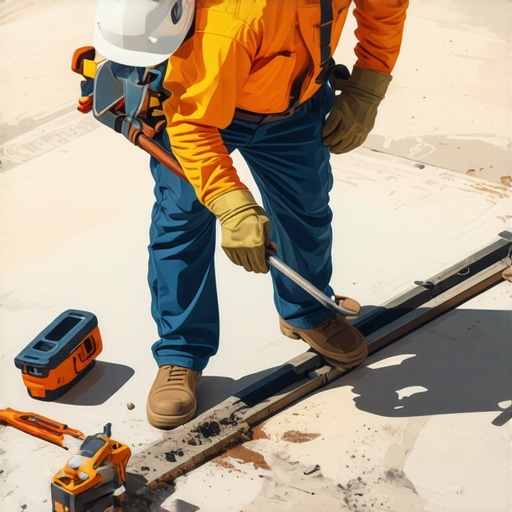
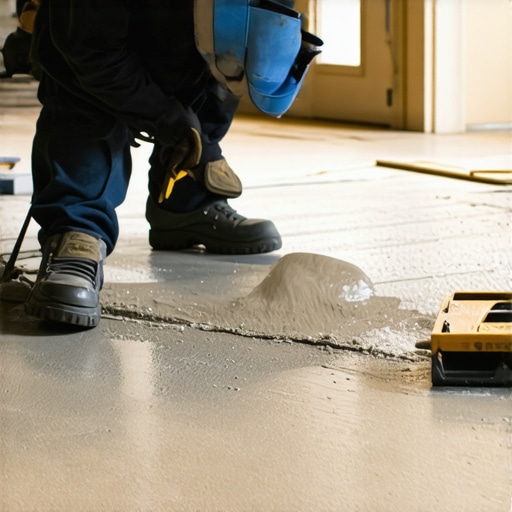
Clear any debris, dust, or loose material from the subfloor. For large dips or holes, use a suitable filler—like a self-leveling compound—to fill gaps and create a smooth surface. I remember pouring self-leveling concrete into a significant depression in my concrete slab; the key was to work quickly before it set, spreading it evenly with a trowel. Think of this like pouring pancake batter—spread it out smoothly to avoid lumps. For the best results, follow the precise techniques described here.
Apply a Primer for Better Adhesion
Before pouring any leveling compound, apply a primer suited for your subfloor material. This step enhances bonding and reduces the risk of future cracks. During my last project, I used a bonding agent on my plywood subfloor, which made the leveling layer adhere better and stay flat longer. Imagine this like priming a wall before painting—prep makes all the difference. Use products recommended for your specific situation, and follow the manufacturer’s instructions carefully.
Pour and Level the Self- leveling Compound
Mix the compound according to the manufacturer’s instructions, ensuring a lump-free mixture. Pour it into the low areas and spread swiftly using a gauge rake or smoothing trowel, working from the highest point downward. Don’t walk on the leveling layer until it has fully set; patience here pays off. A mistake I made was trying to speed up the process, leading to uneven surfaces. Think of this like spreading butter evenly on toast—you want a smooth, consistent layer. For detailed techniques, see this resource.
Check and Re-Assess the Levelness
Once the compound is dry, recheck with the level. Repeat the process if necessary to reach absolute flatness. Remember, small discrepancies matter—less than 1/8 inch can still cause lippage or cracked tiles. My experience taught me to verify multiple times, especially on larger surfaces, to ensure uniformity. Use a long straightedge or laser level to assist in this detailed assessment. If the surface isn’t perfect, a second layer might be necessary; trust me, it’s worth the effort to save time later.
Final Preparation Before Tiling or Flooring
After confirming the level, vacuum all dust and debris, then apply a primer specific to your flooring material—such as an epoxy primer for porcelain tiles or an appropriate underlayment for hardwood. This ensures optimal adhesion and minimizes future problems. Remember, a well-leveled, clean surface is the foundation for long-lasting, beautiful floors. For more detailed installation tips, explore this expert guide.
 Many homeowners believe that flooring installation is straightforward, but in reality, there’s a lot of nuance that many overlook. One prevailing myth is the idea that if the surface looks flat visually, it’s automatically ready for flooring. However, subtle irregularities—less than 1/8 inch—can cause significant issues like lippage or cracked tiles over time. Rushing or skipping thorough subfloor assessments is a trap that often leads to expensive repairs later. Instead, investing in precise leveling techniques—like those detailed here—can prevent these problems and ensure durable results.
Another widespread mistake involves underestimating the importance of moisture barriers and proper adhesives. Many assume that choosing high-quality tiles or hardwoods compensates for subpar prep work, but without correct moisture control, even the best materials can warp or delaminate prematurely. For example, applying a suitable primer before leveling compounds significantly boosts adhesion and reduces future crack formation, as explained here.
Advanced installers know that the devil is in the details. For instance, professionals understand that the subfloor’s composition—whether concrete, plywood, or OSB—dictates nuanced prep steps, such as specific primers or leveling solutions. Neglecting these subtleties often results in uneven surfaces or bond failures. Recognizing which products work best for your specific subfloor is crucial; consult this guide for tailored advice.
One advanced consideration is the effect of thermal expansion and contraction, especially in hardwood floors. Many miss this factor, leading to buckling or gaps over time. Proper acclimation, space planning, and expansion joints are often overlooked but essential, as detailed here. Furthermore, understanding the science behind these phenomena allows you to plan installation timing and methods that accommodate environmental changes.
In summary, the real expertise lies in the details—the tiny nuances that separate a good install from a long-lasting one. Skipping comprehensive prep, ignoring material-specific needs, and neglecting environmental factors are common pitfalls. Take the time to educate yourself on these subtleties to avoid costly mistakes. For comprehensive insights into avoiding pitfalls, check out this detailed resource. Have you ever fallen into this trap? Let me know in the comments.
How do I maintain my floors over time?
Maintaining your flooring, whether it’s tile or hardwood, requires more than regular cleaning. It involves using specialized tools and adopting proven techniques to ensure longevity. One essential tool I swear by is a moisture meter. Constant monitoring of humidity levels in your environment prevents issues like buckling or warping, especially in hardwood floors. For detailed insights on maintaining your hardwood floors, I recommend exploring this guide.
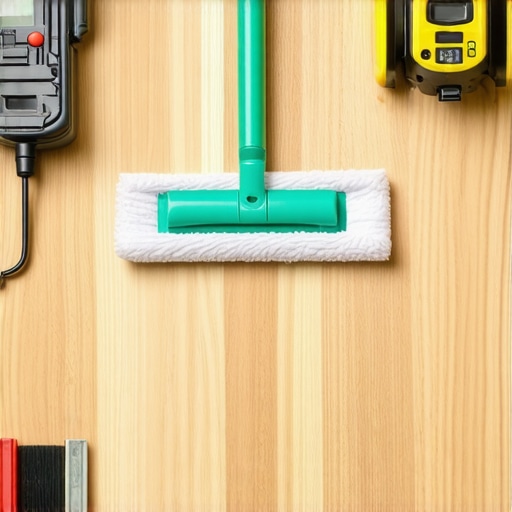
Another crucial aspect is using the right cleaning equipment. Avoid harsh abrasives; instead, opt for microfiber mops and gentle cleaning solutions. I prefer a steam mop with adjustable settings because it effectively sanitizes without damaging the finish. Regularly inspecting the floor surface with a straightedge helps catch irregularities early, saving you costly repairs later. For leveling issues, a laser level can be invaluable, ensuring your surface remains flat over time. For advanced maintenance, I suggest adopting a routine that combines these tools, which collectively extend your floor’s lifespan.
My preferred tools for ongoing floor care include
- Moisture meter: vital for monitoring environmental conditions affecting hardwoods.
- Microfiber mop: gentle yet effective cleaning performance.
- Laser level: ensures your surface remains perfectly flat, preventing future issues.
- Buffer with a soft pad: keeps your finish glossy and removes scratches without damaging the surface.
In the future, I predict that smart sensors integrated into flooring will revolutionize maintenance by providing real-time data and alerts. This tech evolution will make floor care more proactive and less reactive. To stay ahead of the curve, incorporating advanced tools now is a smart move. For example, investing in a quality laser level now pays off when you’re rechecking the flatness after minor repairs or cleaning routines. Are you ready to try one of these maintenance secrets to preserve your investment? Remember, adopting proper tools is key to avoiding costly replacements and keeping your floors stunning for years to come.
Overall, consistent upkeep combined with the right equipment ensures that your flooring remains not only attractive but long-lasting. Don’t overlook simple but effective tools—they can make all the difference in your maintenance routine. For further advanced tips, check out this resource and start implementing a proactive maintenance plan today.
Throughout my journey in flooring installation, I discovered that even small missteps can snowball into significant issues down the line. The **hardest lesson** I learned was that meticulous floor prep isn’t just a preliminary step—it’s the backbone of durable, beautiful flooring. Skimping on proper leveling and surface assessment can turn a straightforward project into an ongoing headache, reminding me that attention to detail saves time, money, and frustration in the long run.
Lessons Unveiled: Beneath the Surface of Floor Perfection
- Layering knowledge really matters. What looks flat might hide subtle dips that cause cracks later. I once skipped a thorough inspection, only to face uneven tiles soon after.
- Patience over haste pays dividends. Rushing to pour leveling compounds without proper mixing or curing hampered the entire installation. Taking my time ensured a flawless finish.
- Materials matter. Choosing the right primer and self-leveling compound for your substrate makes all the difference. Trusting the experts’ recommendations, like those outlined here, can be a game-changer.
- Tools are your allies. From moisture meters to laser levels, the right equipment can reveal flaws invisible to the naked eye, guiding you toward perfect results.
Your Toolbox for Flooring Success
- Long-lasting knowledge: Dive into comprehensive resources like the expert installation strategies. They’re gold mines for mastering tricky surfaces.
- Specialized equipment: A quality moisture meter and laser level are investments that elevate your craftsmanship and confidence.
- Trusted guides: Books such as these have transformed my approach, highlighting nuances often overlooked by amateurs.
- Community insights: Sharing experiences with fellow homeowners or professionals fosters growth. Forums and workshops often share tips that can prevent costly errors.
Take Charge and Make Your Floors Shine
Remember, flooring is more than just covering a space—it’s a reflection of effort, patience, and care. Your dedication to proper preparation will empower you to create stunning, durable floors that stand the test of time. Now’s the moment to embrace the details that matter, from thorough subfloor inspection to using the right tools and techniques. Ready to elevate your home with confidence? Your perfect floor is within reach—start today!
What has been your biggest flooring challenge so far? Share your experience below—I’d love to hear your story and help you navigate it.
Reading this post really resonated with me because I learned the hard way how critical a properly prepared subfloor is for flooring longevity. I was eager to get my DIY installation done quickly and skipped some inspection steps, only to face cracked tiles within six months. Now I see how those small details—like using a long straightedge for inspection or applying a primer—can save so much frustration down the line. It’s interesting how many homeowners overlook the importance of moisture barriers and environmental factors, especially in areas with high humidity.
One thing I found helpful was investing in a laser level for reassessment. It’s amazing how subtle dips can be invisible to the eye but still cause long-term issues. How do others here balance time and effort versus the importance of flawless preparation? Do you have any tips for streamlining the process without sacrificing quality? Would love to hear more shared experiences on ensuring a perfect subfloor before laying down those beautiful tiles or hardwoods.