I vividly remember the moment I stepped onto my living room floor after a weekend of laying tiles. The uneven surface was glaringly obvious—some tiles slightly higher than others, creating a jagged, unprofessional look. I felt a wave of frustration and pride mixed together. How could I have gone wrong?
The Truth About Floor Leveling and Why It Can Make or Break Your Project
That lightbulb moment drove me to dig deeper. Turns out, poor floor leveling is the Achilles’ heel of tile and hardwood installations. Even the most beautiful tiles or gleaming hardwoods can look sloppy if the surface isn’t perfectly flat. And believe me, skipping this step isn’t worth the risk.
In today’s post, I promise to guide you through the essential techniques that guarantee flawless flooring in 2025. No more uneven surfaces, no more gapping or cracking—a durable, stunning finish is within your reach. So, if you’ve ever faced the disappointment of a wobbly floor or worried your investment might be wasted, stay with me. Together, we’ll conquer floor leveling the right way.
Have You Ever Felt Frustrated by an Uneven Floor?
I made the classic mistake early on—assuming the subfloor was level enough and rushing the installation. That cost me time, money, and a whole lot of headaches. It’s a common pitfall that I want you to avoid. For more expert insights, check out this guide on transforming your space with perfect flooring.
With this foundation set, let’s dive into how to achieve that flawlessly level surface you’ve been dreaming of—because a level floor isn’t just about looks. It’s about building a lasting, durable space that stands the test of time.
Prepare for Precision: Clearing and Assessing the Subfloor
Start by removing all furniture, debris, and old flooring to expose a clean surface. Use a long, straightedge or level to identify high and low spots—think of it as scanning the room with a giant ruler. During a project, I once used a 4-foot level across the entire floor, marking uneven areas with a pencil before proceeding, which helped me visualize the entire surface’s needs.
Apply the Right Leveling Compound or Subfloor Patching
Mix and Pour with Intent
Prepare your self-leveling compound or patching material according to the manufacturer’s instructions, ensuring thorough mixing to prevent lumps. When I did this, I poured the mixture in sections over low spots, utilizing a trowel or gauge rake to spread it evenly, akin to icing a cake—smooth and level. Let it cure completely, usually 24 hours, before testing the surface.
Use a Long Level or Laser for Checking
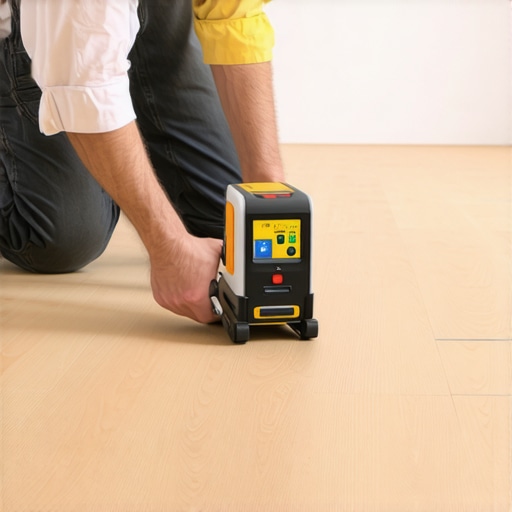
After curing, check the surface for flatness with a long level or a laser level if available. Imagine you’re setting up a tiny balance test; the goal is to have no gaps when rolling a ball across the surface. During my last project, using a laser level helped identify slight dips that a standard level missed, leading to finer adjustments.
Sanding and Smoothing the Surface
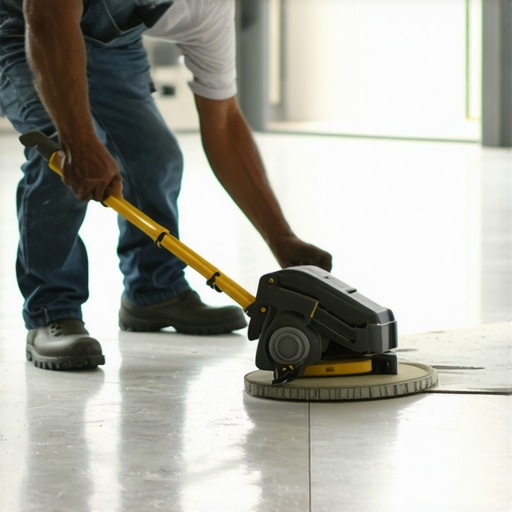
Once the leveling material has fully set, lightly sand any high spots or ridges that might interfere with your flooring application. I remember using a pole sander with fine-grit paper, which improved the final surface’s smoothness and helped prevent tiles or planks from unevenly settling. This step is crucial to achieve a seamless, professional finish.
Double Check Before Installing
Finally, revisit your assessment with a long level or straightedge. Confirm that the entire surface is as flat as possible—imagine stretching a tight wire across the floor to test for dips or humps. For extensive projects, I’ve found that a 10-foot level or a straightedge can reveal imperfections missed in earlier checks, ensuring your surface is primed for flawless installation.
Keep in mind, mastery in floor leveling is about patience and attention to detail. Incorporating these steps effectively will elevate your project from amateurish to professional-grade. If you want to delve deeper into techniques that lead to professional results, you might find this guide on precise leveling techniques helpful.
Maintain the Surface’s Integrity Through Proper Preparation
Ensuring a level floor isn’t just a one-time step; it’s about setting a durable foundation. After leveling, always clean the surface thoroughly before laying the final flooring material. Use a damp cloth or vacuum to remove dust and debris. This preparation pays dividends in avoiding future cracks or shifting, leading to a long-lasting finish. For more insights on durable flooring practices, visit this expert guide on installation techniques.
Many homeowners believe that preparing a subfloor is a straightforward step, but in reality, overlooking subtle nuances can lead to long-term problems. One widespread misconception is that a quick application of leveling compound guarantees a perfectly flat surface. However, the success of this step hinges on understanding the floor’s unique conditions, such as moisture levels and subfloor material, which can drastically affect adhesion and curing. Experts recommend testing for moisture content and using suitable primers, as emphasized in industry guidelines for durable flooring installations.
Another myth is that once the surface feels smooth, it’s ready for flooring. In truth, tactile smoothness doesn’t always indicate true levelness. Using a long, straightedge or laser level to verify flatness reveals inconsistencies invisible to the naked eye, which can cause tiles or hardwoods to crack or shift over time. Skipping this step is a common but costly error, as highlighted in flooring installation mistakes to avoid.
Why is Overconfidence Dangerous in Floor Leveling
When it comes to leveling, many attempt to save time by rushing or skipping detailed inspections. This complacency often leads to uneven surfaces that only become apparent after installation, causing gaps, lippage, or cracking. Advanced techniques, such as spot grinding or feathering high spots, are vital to achieving a flawless surface. Keep in mind that even seasoned pros benefit from precise measurement tools and a meticulous approach, as recommended by experts in durable tile and hardwood flooring practices.
Interestingly, a study published by the National Wood Flooring Association notes that improper leveling is among the top reasons for flooring failure in the first five years. This reinforces the importance of paying attention to the nuances often overlooked—like moisture barriers, substrate preparation, and temperature control during curing. Recognizing these factors can be the difference between a lasting, beautiful floor and one that requires costly repairs sooner than expected.
Have you ever fallen into this trap? Let me know in the comments. For more detailed insights on flawless installation, explore this comprehensive guide on mastering hardwood floor refinishing, or check out the expert tips for durable tile and hardwood floors to elevate your project results.
Invest in the Right Equipment to Ensure Lasting Results
When it comes to flooring installations, maintenance, or repairs, having the right tools can make all the difference. I personally rely on a high-precision laser level, such as the Leica Disto laser distance meter, because it provides unrivaled accuracy over traditional bubble levels, especially for large surfaces. This technology allows me to quickly identify uneven areas that might otherwise be overlooked, streamlining the process and saving time. Additionally, a quality vibration dampening trowel is indispensable for applying leveling compounds smoothly, reducing residual imperfections and ensuring a solid base for your flooring.
Why I Recommend a Digital Moisture Meter
Moisture levels can wreak havoc on your flooring over time, causing warping or detachment. I use the Tramex CME5 Moisture Encounter, a non-invasive tool that quickly scans subfloor moisture content. This device helps me confirm that conditions are suitable before proceeding, preventing costly mistakes. Going forward, as new sensor technology advances, I predict more integrated devices combining moisture, temperature, and humidity data, making floor health assessments even more comprehensive.
How do I maintain my tools to last and deliver accuracy?
Regular calibration, proper cleaning, and storage are key. For precision tools like laser levels or moisture meters, I schedule yearly calibrations with the manufacturer. After each project, I clean devices with manufacturer-approved wipes to remove dust and debris. Proper storage in padded cases prevents nerve damage or misalignment, which can compromise accuracy. This routine ensures your tools remain reliable, helping maintain the integrity of your flooring work over time.
Future Trends in Flooring Maintenance and Tools
Technology continues to evolve rapidly. I foresee augmented reality (AR) overlays becoming common, allowing for real-time visualization of levelness and planning during installation. Moreover, AI-powered sensors may offer predictive analytics, alerting homeowners and professionals about potential issues before they manifest physically, thus preserving the longevity of floors. Staying ahead involves not just investing in quality tools but also embracing emerging tech that enhances precision and durability.
What is the best way to keep my floors looking pristine over the years?
Incorporating routine maintenance with professional-grade cleaning solutions and periodic inspections is vital. For instance, I recommend regular deep cleaning using pH-neutral cleaners and buffer pads, as described in this comprehensive guide. Additionally, applying protective finishes or sealants suitable for your specific flooring material can safeguard against wear and moisture intrusion. Remember, proactive upkeep is always more effective than reactive repairs—so make it part of your routine.
Try implementing a digital moisture meter check before your next installation or maintenance task. This simple step enhances your confidence that your flooring remains protected against unseen damages, ultimately extending its lifespan and look. For more advanced techniques, explore our expert tips for 2025 refinishing success.
What I Learned the Hard Way About Floor Leveling
- I once believed a quick skim with a level was enough—only to realize that tiny dips and high spots could ruin the entire look. Going slow and double-checking with a laser level saved me from costly rework. Patience in this step makes all the difference.
- Trusting the curing process of leveling compounds is vital. Rushing or skipping this step led to unforeseen cracks and shifts later on. Waiting for full curing isn’t just a suggestion—it’s a necessity for durability.
- Getting creative with tools, like using straightedges over long distances, helped me spot imperfections that traditional levels missed. Investing in quality measurement tools is a game-changer for achieving perfect flatness.
- Understanding moisture levels before installation prevented warping and buckling. Moisture meters became my best friends, revealing potential issues before they became costly nightmares.
- Finally, visual inspection isn’t enough. Combining tactile checks with measurement tools provides a comprehensive view, ensuring the surface is truly ready for flooring—precision over guesswork always wins.
My Go-To Resources for Flooring Success
- Expert Guides: The comprehensive articles on mastering hardwood floor refinishing and precise leveling techniques helped shape my approach. They’re detailed and expert-backed.
- Measurement Tools: My laser level from trusted brands has become indispensable, providing pinpoint accuracy that I can’t do without.
- Flooring Care: The care guides kept my floors pristine and long-lasting—regular cleaning and sealing are underrated needs for lasting beauty.
- Community Insights: Online forums and professional networks offer real-world tips and reassurance. Learning from others’ mistakes has accelerated my mastery.
Believe in Your Flooring Potential
Embarking on a flooring project can feel overwhelming, but remember—the right knowledge and tools empower you to create stunning, durable floors. Start small, stay patient, and celebrate each perfect level along the way. Your space deserves the best, and with continuous learning, you’ll achieve results that truly inspire. Don’t hesitate to take the first step—your dream floor is within reach. Are you ready to tackle your next flooring project with newfound confidence? Share your goals or ask questions below—let’s grow together in this journey.