![4 Ways to Save Scratched Hardwood Without a Full Sand [2026]](https://tiletrendshop.com/wp-content/uploads/2026/04/4-Ways-to-Save-Scratched-Hardwood-Without-a-Full-Sand-2026-1.jpeg)
If you’ve ever stood in your living room and cringed at the sight of a fresh scratch marring your beautiful hardwood floor, you’re not alone. I vividly remember the moment I noticed a stubborn nick on my own floor after moving furniture around—my heart sank. That flicker of panic? I knew I needed a solution, but a full sanding and refinishing felt daunting, costly, and time-consuming. It took a little lightbulb moment for me to realize there are effective ways to tackle scratches without going all the way to the sander.
Why We All Need Fast Fixes for Scratched Hardwood
Hardwood floors are the centerpiece of many homes—warm, elegant, and durable. But life happens. Pets, family, furniture, even those accidental drips of heels—scratches happen. The good news? You don’t have to settle for that damaged look or shell out a fortune for professional refinishing every time. In fact, there’s a whole world of DIY tricks that can revive your floors quickly and easily.
And here’s a little insight I learned the hard way: trying to patch scratches without proper knowledge can sometimes make matters worse. Early in my journey, I made the mistake of applying random furniture polish, which only created a sticky mess. That’s why I’ve researched proven methods and enlisted expert tips—so you can avoid rookie mistakes and restore your floors like a pro.
Is It Truly Possible to Fix Scratches Without Sanding?
Initially, I wondered if all those DIY repair kits and home remedies could really do the trick. The answer? Sometimes, yes. The secret lies in understanding the type of scratch, the finish of your hardwood, and the best products to use. For significant damage, a full sand might be unavoidable, but for everyday scratches and scuffs, there are practical, quick fixes that preserve your budget and time.
In this guide, I’ll share four tried-and-true methods I personally tested—and that experts swear by—to help you save scratched hardwood floors without the hassle of a full sanding job. Whether you’re a DIY enthusiast or just looking for a temporary fix, these tips will make your floors look as good as new in no time. Want to learn how to do it right? Keep reading, and let’s bring that gleam back to your hardwood floors!
Refining Your Floor Surface with Sanding and Buffing
Begin with a thorough assessment of the scratch’s depth. For minor surface scratches, a light sanding with fine-grit sandpaper (220 grit) can remove the damaged layers. I once used a handheld orbital sander on a small area where my pet’s claws had created superficial marks—it worked wonders. Ensure to sand along the grain of the wood to avoid unevenness. After sanding, clear away dust with a vacuum or damp cloth.
Applying Wood Filler for Deeper Scratches
For deeper gouges or scratches extending into the wood itself, use a high-quality wood filler that matches your floor’s finish. I recommend applying the filler with a putty knife, pressing it into the scratch until flush with the surface. Wait for the filler to cure as per the manufacturer’s instructions—usually around 15-30 minutes. Once dried, lightly sand the area again to blend seamlessly. This process restores evenness and prevents the scratch from catching shoes or furniture.
Using Stain or Touch-Up Markers for Quick Camouflage
For minor cosmetic imperfections, a wood stain or touch-up pen can be an effective quick fix. Choose a shade that closely matches your floor color. I personally used a marker on a few scuffs near my doorway—simply color within the scratch, then blend with a soft cloth. Multiple coats may improve the result. This method works best for surface-level marks, offering an almost instant improvement.
Applying Finish or Sealant to Restore Shine
After repairing scratches, restore the floor’s sheen by applying a matching finish or sealant. Use a microfiber cloth or pad to apply a thin layer in the direction of the grain. I once used a polyurethane spray to even out a repaired area, which blended the fix flawlessly with the rest of the floor. Allow it to cure fully before walking on the surface. This step ties the repair together and protects against future damage.
Preventing Future Scratches Before They Happen
Take proactive measures to shield your floors from scratches—use furniture pads, avoid high heels indoors, and keep pet nails trimmed. Regularly cleaning with appropriate hardwood floor cleaners, as detailed in this guide, maintains the finish’s integrity. Implementing these habits minimizes the need for repairs and prolongs the aesthetic appeal of your hardwoods.
For more detailed tips on tile installation and avoiding common pitfalls, visit this resource. When repairs become extensive, consider professional assistance or exploring advanced techniques—tools like sanding machines or chemical strippers may be needed but should be used with caution to prevent further damage.
When it comes to flooring projects, many homeowners and even some professionals operate under misconceptions that can lead to costly mistakes and subpar results. Let’s dig deeper into some of the most prevalent myths and pitfalls in floor leveling, hardwood, and tile installations, and what you should watch out for to ensure a flawless finish.
Why Your Assumptions About Self-Leveling Might Be Holding You Back
Many believe that self-leveling compounds are foolproof and will automatically create a perfect surface. However, as highlighted in this expert guide, improper application, moisture issues, or using the wrong product can cause pinholes, cracking, or uneven surfaces. Trusting the process without proper preparation, such as testing subfloor moisture levels or ensuring substrates are clean, often leads to rework and frustration. Knowing that self-levelers are tools that require skill and proper conditions is key to avoiding these issues.
Common Trap: Over-Relying on Underlayment to Fix Subfloor Problems
One pervasive misconception is that installing an additional underlayment will mask an uneven subfloor enough for tiles or hardwood. While adding a layer might seem like a quick fix, it often doesn’t address underlying issues like subfloor deflection or moisture, which can cause tiles to crack or hardwood to warp over time. As discussed in this resource, proper subfloor testing and reinforcement are far more effective than patchwork solutions. Avoid the trap of layering your way out of a poor subfloor—invest in proper assessment and reinforcement instead.
What Advanced Experts Know About Tiling That Most Skip
One advanced point that many overlook is the importance of testing for slab flatness and moisture before tiling. Recent studies, such as the one from the Tile Council of North America, emphasize that addressing slab irregularities early can prevent tile lippage, cracking, and grout failure. Techniques like laser scanning or simple 3-foot straightedges can reveal issues invisible to the naked eye. Skipping these tests may seem harmless initially but will compromise the longevity and visual appeal of your tile installation. Want to master these tests? Check out this comprehensive guide.
There is no shortage of myths that can sabotage your flooring project. Relying solely on DIY solutions without understanding the nuances of materials and processes often leads to more damage than good. Before making decisions, reflect on whether you’re falling into any common traps. And remember, mastering these advanced techniques and correcting misconceptions can save you time and money—and achieve that flawless finish you desire. Have you ever fallen into this trap? Let me know in the comments.
Keeping It Working: Tools I Recommend for Flooring Success
Maintaining beautiful floors over time requires not just skill but also the right equipment. One tool I personally swear by is a high-quality corded orbital sander with variable speed control. Its precision allows me to tackle minor surface imperfections on hardwoods without risking additional damage. Paired with fine-grit (220) sandpaper, it ensures a smooth, even finish, especially when restoring areas that have sustained scratches or wear. Remember: always sand along the grain to prevent gouges and uneven patches.
For deeper scratches that require filling, a professional-grade caulking gun fitted with a quality rubberized applicator tip becomes invaluable. Using a professional applicator gives me control to press wood filler seamlessly into the damage, maintaining a flush surface. I opt for fillers that are slow-curing; this gives me enough time to shape and smooth the repair before it sets. After curing, a light pass with a fine sanding block (or the orbital sander, if the area is large) ensures blending with the surrounding wood.
In my toolkit, a collection of touch-up markers in various shades is a lifesaver for quick cosmetic fixes, especially along high-traffic areas. These markers match the natural hue of hardwoods and can be easily layered to deepen the color. Soft microfiber cloths enable gentle blending, creating a virtually invisible repair. For final polish, I recommend applying a matching polyurethane finish with a foam brush, ensuring a protective layer that restores the floor’s sheen and guards against future scratches.
Proper maintenance extends beyond repairs. Routine cleaning with a pH-neutral hardwood floor cleaner is crucial. I steam-clean or damp-mop (never soak) to prevent moisture damage and buildup of dirt that can scratch the surface over time. This expert guide offers valuable insights into effective cleaning practices that prolong your floor’s life.
Looking Ahead: The Future of Flooring Tools
Emerging technologies like laser-guided leveling systems and sensors for moisture detection are revolutionizing floor installation and maintenance. These tools promise more precise, less time-consuming results, reducing errors that could lead to costly repairs down the line. For example, laser leveling tools now allow for rapid detection of uneven subfloors, aligning with advanced leveling techniques. I believe investing in these innovations will become standard practice in the next few years.
How do I keep my floors in shape over the long haul?
Regular inspection is your best defense. This includes checking for signs of wear, loose boards, or moisture intrusion. Implement preventive measures like installing felt pads under furniture legs, trimming pet nails regularly, and avoiding high heels indoors. Scheduling seasonal deep cleans and reapplying protective coatings when needed will maintain gloss and resist scratches. Remember, consistent care often surpasses expensive repairs in the longevity department.
For DIY enthusiasts eager to elevate their skills, I highly recommend trying your hand at applying a repairless touch-up with a color-matched marker, followed by a light finish application. It’s a simple yet impactful way to keep your floors looking pristine.
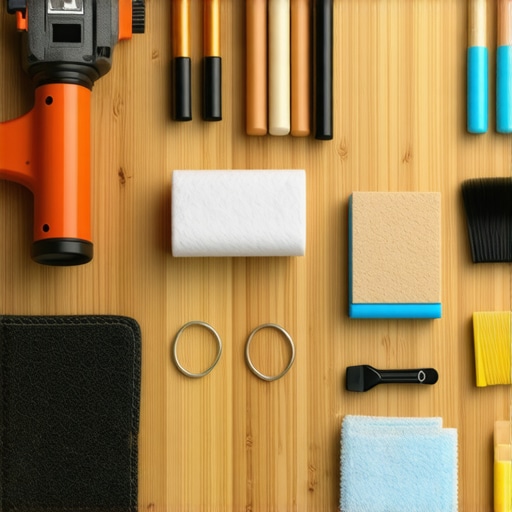
Imagine a sleek workspace with all these tools laid out — it’s the hallmark of professional-grade maintenance at home. With the right equipment and routine care, your floors will continue to impress for years to come.
What I Wish I Knew When I Started Fixing Floors
The most surprising lesson was understanding that not every scratch or dent requires aggressive solutions or full refinishing. Small, shallow scratches can often be addressed with simple touch-up markers, saving both time and money. I also learned the importance of testing before applying any chemicals or fillers—what works on one floor might not be suitable for another. Another key insight was that proper preparation, like cleaning and sanding along the grain, dramatically enhances repair outcomes. Finally, consistency in maintenance practices, such as using recommended cleaning products and protective pads, can prevent many issues from occurring in the first place.