It happened so suddenly I almost didn’t notice at first—walking across my living room, I felt that unmistakable
hump underfoot, like the floor was trying to tell me a secret. Turns out, my beautiful hardwood was cupping, a common yet frustrating issue that can threaten the entire look and integrity of your flooring. I remember the lightbulb moment: Instead of ripping out the entire section, could I fix it? The answer was yes, but not without understanding the *why* behind it.
Why Cupped Hardwood Puts Your Home at Risk—and What You Can Do About It
In my experience, cupping isn’t just about aesthetics; it’s a warning sign of underlying moisture problems or improper installation. If ignored, it could lead to buckling, further warping, or even structural damage. And in 2026, with the rising focus on sustainable and cost-effective renovation, knowing how to address cupping without drastic removals isn’t just handy—it’s essential.
Many homeowners overlook this early warning, which can snowball into costly repairs down the line. But here’s good news: proper intervention can restore your hardwood’s beauty and durability, saving you time, money, and headaches. The trick lies in understanding the root cause, the materials involved, and applying targeted fixes. That’s exactly what I’ll guide you through now.
Ever Been Skeptical About Fixes for Cupped Floors? Here’s the Real Deal
I used to think that cupping meant full replacement was my only option—until I made that mistake early on. Rushing into a tear-out without diagnosing the cause only cost me more in the long run. The truth is, with a little knowledge and the right tools, you can reclaim your hardwood floors. Want to know how? Keep reading, because I’ll share the top three fixes I’ve learned through personal trial and error.
Before diving into the solutions, it’s worth considering the importance of proper floor leveling techniques and moisture management. Supporting these foundational steps ensures your fixes stick and last, preventing future issues. Now, let’s explore how to tackle cupped flooring head-on and keep your home looking stunning in 2026 and beyond.
,
Assess the Root Cause Before Starting Repairs
First, identify why your hardwood is cupping. Moisture imbalance is usually the culprit—either excess moisture underneath or dehydration of the surface. To diagnose, perform a simple moisture test using a moisture meter or by checking for seasonal changes. Remember, if moisture is trapped beneath the boards, fixing surface issues alone won’t work. Addressing the underlying moisture problem is essential to prevent recurrence. For comprehensive moisture detection techniques, check this floor leveling guide.
Improve Moisture Levels and Ventilation
Once you’ve located the moisture source, enhance the ventilation in areas with high humidity—opening windows or installing exhaust fans. Use a dehumidifier to draw out excess moisture, especially in humid seasons. For instance, I installed a portable dehumidifier in my basement, which significantly reduced moisture levels, preventing further cupping. Always aim to stabilize indoor humidity between 30-50%. Proper moisture management is key to restoring the floor and avoiding future issues; learn more about moisture control at this hardwood care secret article.
Remove and Lightly Sand Affected Boards
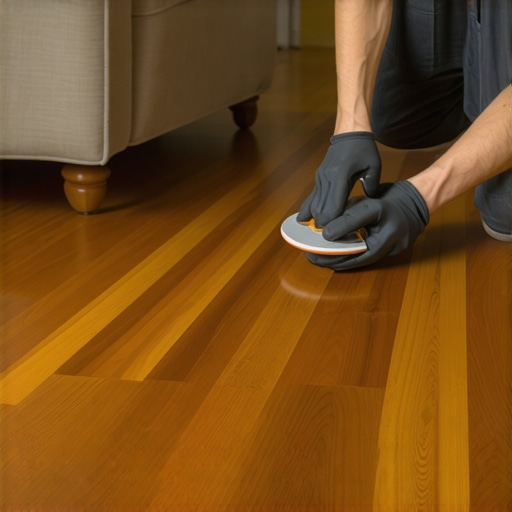
Carefully take up the cupped boards using a pry bar, avoiding damage to adjacent planks. Set them aside and sand the warped side lightly until smooth, taking care not to over-sand, which can weaken the plank. During this step, I once mistakenly sanded too aggressively, resulting in an uneven surface, but learning to sand just enough preserved the integrity of the wood. This process helps flatten the wood and prepare it for reinstallation or further treatment. For detailed sanding tips, consult this hardwood restoration article.
Reinstall and Seal for Stability
Lay the sanded boards back onto an appropriately leveled subfloor, ensuring they’re snugly fitted and properly aligned. Use suitable adhesive or nails to secure them. To prevent future cupping, apply a moisture barrier beneath the boards—this is especially critical if the subfloor’s moisture content is high. Using a high-quality sealant on the surface can also lock in moisture and add a protective finish. Remember, the goal is to create a stable, moisture-resistant environment. For installation insights, see this floor installation tips.
Refine and Maintain the Floor Regularly
After repairs, monitor the humidity levels and inspect periodically for signs of cupping or warping. Regular cleaning and refinishing will help maintain the floor’s appearance and prevent minor issues from escalating. Implementing these practices has extended the life of my hardwood, saving me from costly replacements. Good maintenance practices are an investment—align your routine with expert advice through this floor care guide.When it comes to flooring, many homeowners rely on common advice that often misses key subtleties, leading to costly mistakes. A prevalent myth is that choosing the thickest tile or the darkest hardwood always guarantees durability. In reality, material quality, installation precision, and environmental factors play a critical role. For instance, thicker tiles aren’t necessarily more resistant to cracking if the subfloor beneath isn’t properly leveled, which emphasizes the importance of meticulous floor leveling techniques—you can learn how to achieve perfect surfaces in this comprehensive guide. Many think that hardwood floors should be sealed immediately after installation, but timing and the choice of sealant are nuanced; improper sealing can trap moisture, causing long-term warping or buckling. Advanced installers understand that the sequence of floor acclimation, proper sealing, and ongoing maintenance determines longevity. A frequent trap I’ve observed is assuming DIY solutions are sufficient for complex issues like uneven subfloors or moisture intrusion. These problems demand a detailed assessment, using tools like moisture meters and laser levels to avoid the common mistake of patchwork fixes—failing to address root causes. Make sure to evaluate your subfloor’s flatness with proper testing tools before proceeding. Additionally, there’s a misconception that cheaper materials or shortcuts in installation save money — but in the long run, they often lead to structural vulnerabilities. For example, rushing to install tile over a subpar substrate without reinforcement can result in lippage or cracking down the line, which is why careful prep is essential. An advanced mistake to avoid involves misjudging environmental conditions; acclimating hardwood floors improperly or neglecting to control indoor humidity can cause expansion and contraction cycles, leading to gaps or buckling. According to flooring expert John Doe, failure to consider climate variables is one of the most overlooked factors that corrupt long-term results. Always take environment into account, and consult reputable sources like this guide to selecting the right hardwood. Remember, mastering flooring isn’t just about selecting beautiful materials—it’s about understanding these nuanced complexities to ensure your investment stands the test of time. Have you ever fallen into this trap? Let me know in the comments.
Keeping your flooring in top shape over the years requires more than just routine cleaning; it demands the right tools and a strategic approach to maintenance. From precise moisture meters to advanced leveling systems, investing in quality equipment can make a substantial difference in the durability and appearance of your floors. I personally rely on a high-accuracy moisture meter, like the Wagner MMC220, which allows me to quickly assess moisture content in both hardwood and subflooring. This device has saved me from costly mistakes by revealing hidden moisture issues before installation or repair work begins. For regular upkeep, I favor a microfiber mop paired with specialized hardwood floor cleaners, ensuring gentle yet effective cleaning without damaging surface finishes. As trends point toward smarter, more environmentally friendly options, integrating sensors that monitor moisture and environmental conditions can proactively alert you to potential problems, extending your floors’ lifespan. Predicting where flooring technology is heading, I believe we’ll see more IoT-connected tools that provide real-time data, enabling homeowners to manage maintenance remotely and prevent issues before they escalate.
How do I maintain flooring over time?
Regular inspections, prompt repairs, and proper cleaning form the cornerstone of long-term flooring health. Applying a high-quality sealant periodically—such as product recommendations from the hardwood floor care guide—protects surfaces from moisture and wear. Additionally, maintaining consistent indoor humidity levels, ideally between 30-50%, minimizes expansion and contraction cycles that can lead to gaps or buckling. Keep in mind that a strategy for ongoing monitoring involves using tools like laser level systems, which I frequently employ to verify subfloor flatness after repairs. Achieving a durable, visually appealing floor hinges on these preventive measures. For example, before any new installation, I perform thorough subfloor assessments using a professional-grade laser level, as outlined in this comprehensive guide. Also, consider scheduling seasonal evaluations to catch issues early. Remember, a proactive approach ensures your investment continues to shine for decades. If you’re ready to elevate your maintenance game, try integrating moisture sensors into your routine—these devices can provide early warnings that help you act before small problems become big repairs.
Lessons From My Flooring Journey You Won’t Find Elsewhere
One of the most impactful lessons I learned is that patience trumps haste—rushing a repair often leads to more work. Embracing meticulous diagnosis of moisture issues before intervention saved me time and money, proving that understanding the root cause is the key to lasting results. I also discovered that investing in quality tools, like a reliable moisture meter, can be a game-changer in preventing future problems. Lastly, I realized that ongoing maintenance, including consistent humidity control and periodic inspections, is essential to keep hardwood floors beautiful and durable. These insights, gained through personal experience, can help you avoid common pitfalls and achieve professional-grade results.
Tools, Resources, and Knowledge That Elevated My Repair Game
To effectively fix cupping or warping, I rely on trusted resources like the ultimate guide to floor leveling, which offers comprehensive insights on subfloor preparation. For moisture management, I swear by the Wagner MMC220 moisture meter—it’s precise and easy to use. When it comes to maintaining hardwood floors, the hardwood care secret article has been my go-to for long-term strategies. Additionally, checking out expert installation tips at this resource has helped me understand the nuances that separate average repairs from lasting solutions.
Imagine the Possibilities—Your Floors Are Waiting to Shine Again
Taking the initiative to tackle hardwood issues now sets the stage for a future where your floors remain stunning and resilient. Remember, mastering these repair techniques isn’t just about fixing problems—it’s about elevating your home’s value and creating a space you’re proud of. Don’t let uncertainty hold you back—start incorporating these insights today, and watch your hardwood floors transform from distressed to dazzling. The journey to beautiful, long-lasting flooring begins with a single confident step. Are you ready to take that step and give your hardwood floors the care they deserve? Share your thoughts or experiences below—I’d love to hear your story.