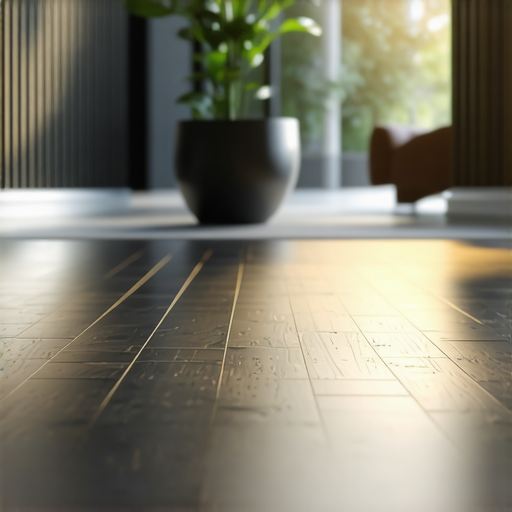

I’ll never forget the time I stepped onto my newly installed large format tile floor and immediately noticed a loud pop beneath my feet. At first, I thought it was just a loose tile or maybe some debris. But then I realized—those unsettling pops and cracks were signs of a deeper issue with my installation. It was a lightbulb moment that made me dive into understanding the root causes of tile popping and how to prevent or fix them effectively.
The Hidden Danger of Ignoring Your Large Format Tiles
In the world of home renovations, large format tiles have become all the rage. Their sleek, minimalist look can transform a space into something truly modern. But as my experience and many others’ have shown, if not installed correctly or if the subfloor isn’t prepared properly, these tiles can start to pop, crack, or become uneven over time. And trust me, once tiles start popping, it’s not just unsightly—it can compromise your entire flooring system. Experts warn that ignoring these signs can lead to costly repairs down the line, turning an aesthetic upgrade into a headache.
Have you ever faced the sudden popping of tiles after installation?
Early on, I made the mistake of assuming that simply laying the tiles evenly was enough. I didn’t pay enough attention to the subfloor’s stability or moisture levels, which are crucial for large format tiles. That oversight, combined with rushing through the installation, meant my tiles were doomed to pop later. According to industry leaders, proper preparation—like ensuring the subfloor is flat, dry, and reinforced—is essential for high-quality results. You can learn more about avoiding common installation mishaps in my detailed post on flooring mistakes.
Understanding why these issues occur is the first step. But in the next sections, I’ll guide you through practical, proven methods to prevent your large format tiles from popping and how to fix them if it’s already happening. So, if you’ve ever stood over a floor where your tiles threaten to split apart, stay with me — you’re not alone, and solutions are within reach.
Ensure a Flat Subfloor Before Tiling
Start by testing your subfloor with a long straightedge or a level laser. In one DIY project, I used a 4-foot straightedge and found high spots and dips that caused tiles to crack later. Mark any uneven areas and plan to sand down high points or fill low spots with self-leveling compound. Remember, a flat surface is non-negotiable for large format tiles; otherwise, your effort may be wasted with popping and cracking.
Pick the Right Leveling Materials and Techniques
Use a quality self-leveling compound designed for your subfloor type. I once applied a pour of this compound over a plywood base that was slightly uneven, and I achieved a flawless surface after a proper feathering and drying process. Ensure you follow the manufacturer’s instructions precisely, mixing the compound to the right consistency, and pour slowly to avoid bubbles. For cracked or uneven spots, applying a slush coat can prevent future movement issues.
Prepare for Moisture and Temperature Fluctuations
Temperature and humidity can cause your substrate to expand or contract, leading to tile movement. I learned this the hard way when a cold winter caused slight shrinkage over my heated concrete slab, resulting in tiles popping. To prevent this, lay your tiles during stable weather conditions and consider installing a moisture barrier or insulation layer if necessary. Check the subfloor moisture levels with a gauge; any reading above recommended levels warrants further treatment before proceeding.
Use Proper Adhesives and Thinsets
Select an adhesive suitable for large format tiles and your substrate. High-quality thinsets with long open times allow for adjustments during placement and minimize the chance of adhesion failure later. I used a premium fast-setting thinset on my kitchen backsplash, which reduced the risk of lippage and ensured a secure bond even over a slightly uneven slab. Always follow manufacturer guidelines for mixing and application thickness.
Control the Installation Environment
Maintain a consistent environment during installation. Fluctuating temperatures or drafts can cause rapid drying and weak adhesion. For one project, I temporarily protected the worksite with plastic sheeting, which kept humidity levels steady. This simple step helped prevent the thinset from setting too quickly, reducing chances of cracks or hollow spots beneath the tiles.
Implement Proper Expansion Joints
Large tiles need room to expand and contract. I planned and accurately cut expansion joints around the perimeter and at regular intervals. These gaps are then covered with appropriate trim or grout lines. Without these, even the most meticulously prepared substrate can lead to buckling over time.
Apply and Cure Carefully
Press each tile firmly into the adhesive, using a rubber mallet if needed, to ensure full contact. I once skipped this step, resulting in uneven tiles and future popping. After placing, allow ample curing time—typically 24-72 hours depending on materials—before walking on or grouting the surface. This patience prevents shifting or debonding that can cause tile fractures.
Test and Adjust Post-Installation
Once cured, walk over the surface to identify any movement or unbonded tiles. If you notice any flexing or calls of hollow sounds, address them immediately by removing loose tiles and reapplying thinset. Regular inspections in the weeks following installation help catch issues early and maintain your floor’s integrity.Many homeowners assume that achieving a perfectly level floor is simply a matter of pouring self-leveling compound or choosing the right underlayment.However, the nuances of proper floor leveling go far beyond these basic steps. One of the most pervasive myths is that visible surface imperfections are the main problem, but in reality, invisible subfloor issues like sagging joists or hidden moisture can undermine your entire project.
According to expert floor installers, ignoring structural stability in favor of cosmetic fixes often leads to future problems, such as cracked tiles or squeaky floors. It’s crucial to assess the entire subfloor system thoroughly before starting any installation. Additionally, many believe that leveling compounds can correct all irregularities. Yet, advanced leveling techniques recommend surface preparation and reinforcement for stubborn dips or uneven sections, especially over plywood or OSB panels.
Another advanced trap involves moisture mismanagement. Many installers overlook the importance of testing subfloor moisture levels, which can lead to adhesive failure or warped surfaces down the line. For detailed guidance, see the importance of moisture control in hardwood flooring.
Why does ignoring structural issues cause long-term damage?
Research from flooring industry experts highlights that unresolved structural sagging or water infiltration can cause tile or hardwood to shift or crack months after installation. Don’t fall into the trap of only addressing surface-level problems. Instead, invest in comprehensive subfloor evaluation, including proper reinforcement methods and moisture barriers.
By mastering these nuances, you not only improve aesthetic longevity but also ensure safety and reduce costly repairs. Remember, perfection in flooring starts beneath the surface.
Have you ever fallen into this trap? Let me know in the comments.
Keep It Working: Essential Tools for Longevity
Investing in the right tools is crucial for maintaining your flooring’s integrity over time. I personally rely on a high-quality laser level for ensuring floors remain flat and even, especially after any repairs or renovations. A rotary hammer with a depth gauge allows me to perform gentle subfloor corrections without unnecessary damage, saving time and costs. Additionally, a moisture meter is indispensable for detecting hidden dampness in subfloors, which can compromise adhesives and cause tiles or hardwood to pop later. Using proper testing tools ensures that your groundwork remains stable long-term.
Implementing Routine Maintenance for Long-Term Results
Prevention is always better than repair. Regularly inspecting your floors for signs of wear, moisture, or damage can catch potential issues early. For hardwood floors, applying a quality floor polish every six months helps preserve shine and resilience. Tile floors benefit from sealing grout lines at least twice a year to prevent water infiltration. When cleaning, avoid harsh chemicals that can degrade finishes; instead, opt for pH-neutral cleaners recommended by experts. Establishing a routine maintenance schedule not only prolongs your flooring’s lifespan but also helps retain its appearance and value.
Future Trends in Floor Care and Maintenance
Looking ahead, I predict an increased adoption of smart flooring sensors that can monitor moisture, temperature, and structural shifts in real-time. These advancements will allow homeowners to address issues before they manifest visibly, reducing costly repairs. Moreover, environmentally friendly and low-VOC maintenance products are gaining popularity, aligning with a broader shift towards sustainable living. Staying informed about these innovations will empower you to adopt proactive measures and keep your floors performing beautifully for decades.
How do I maintain my floors over time?
Develop a clear, consistent routine that includes regular inspections, cleaning, sealing, and using the right tools. For example, implementing quarterly moisture checks with a reliable meter can prevent unseen water damage. Additionally, investing in high-quality cleaning equipment, like microfiber mops and soft brushes, minimizes scratches and preserves finish quality. Remember, the simple act of reapplying grout sealant or hardwood finish every few years can dramatically extend your floor’s lifespan. For more detailed tips, you might find these care secrets invaluable.
Practicing proactive maintenance and using recommended tools will ensure your flooring stays stunning and durable for years to come. Don’t hesitate to try out some of the advanced techniques I’ve shared—taking these steps now can save you significant time and money in the future.
Over the years, I’ve learned that even the tiniest oversight during floor installation can lead to costly surprises down the line. One of the most valuable lessons I discovered is that proper subfloor preparation isn’t just a step—it’s the foundation of a durable and beautiful floor. If you’re looking to enjoy flawless tiling without those annoying pops and cracks, ensuring your subfloor is perfectly level and dry should be your top priority. Always test for existing moisture and imperfections, and don’t be tempted to cut corners—your future self will thank you.
What I Wish I Knew About Floor Leveling Before Starting
- Don’t assume surface fixes are enough: Invisible subfloor issues can sabotage your project. I once tried patching cracks without addressing the root cause, and it backfired, leading to even bigger problems.
- Invest in quality tools and materials: Using a high-quality laser level and premium self-leveling compounds made a huge difference in my final results. Cheap tools often cost more in the long run.
- Moisture management is critical: Testing moisture levels before installation prevented future buckling. Ignoring this simple step almost caused my entire project to fail.
- Patience saves money: Allow plenty of curing time for adhesives and leveling compounds. Rushing this process only increases the risk of tiles popping or cracking later.
- Learn from industry experts: Reading authoritative guides and tutorials helped me avoid common pitfalls and achieve professional results. For instance, mastering proper expansion joint placement is key to accommodating floor movements.
Tools That Changed My Tiling Experience
- Moisture meters: Essential for detecting hidden dampness that can compromise adhesion.
- Laser levels: Helped me achieve perfect flatness across large surfaces.
- Self-leveling compounds: Provided a smooth, even base for my tiles, preventing future pops.
- Proper screw patterns and reinforcement techniques: Strengthened my subfloor, especially over OSB panels, reducing movement.
Taking Action for Long-Lasting Floors
Remember, every successful flooring project starts with a solid foundation. By paying close attention to subfloor preparation, using the right tools, and practicing patience, you can enjoy a stunning, durable floor that stands the test of time. The journey to perfect tiling isn’t just about aesthetic appeal—it’s about ensuring safety and longevity. So, embrace these lessons, stay informed, and don’t hesitate to seek expert guidance when needed. Your future self—and your wallet—will thank you for the effort. Want to share your own flooring stories or ask questions? Drop a comment below and join the conversation!