![How to Erase Deep Hardwood Scratches Without a Full Sand [2026]](https://tiletrendshop.com/wp-content/uploads/2026/04/How-to-Erase-Deep-Hardwood-Scratches-Without-a-Full-Sand-2026.jpeg)
I’ll never forget the moment I stepped onto my beautiful hardwood floor and noticed a deep scratch glaring back at me. It was a small mishap, but the damage felt huge. I was overwhelmed, thinking I’d have to call in pros for a full sanding job — expensive, messy, and time-consuming. Sound familiar? That sinking feeling when your once-pristine floor shows signs of wear, especially those stubborn deep scratches no surface polish can hide.
Why Deep Scratches Can Be Such a Headache
Deep scratches aren’t just surface imperfections; they cut into the wood’s finish and even the wood itself. This makes them more challenging to conceal or repair compared to minor superficial nicks. The tricky part is, plenty of DIY solutions promise quick fixes, but many fall short or risk causing more damage. I learned this the hard way early on, when I tried applying generic touch-up kits and only made the scratches stand out more. That little mistake reinforced the importance of understanding the right approach before diving in.
Could Erasing Deep Scratches Be Simpler Than You Think?
Absolutely. Over the years, I’ve gathered some practical methods that save time and preserve the beauty of my floors. Now, I want to share those with you. Whether you’re battling deep gouges or just want to prolong the life of your hardwood, this guide is here to help. We’ll go beyond superficial fixes and look at proven techniques that don’t require hopping onto a sander or tearing out large sections of your flooring.
Common Skepticism: Can You Really Repair Deep Scratches Without Full Sanding?
Trust me, I get it. The idea of repairing deep scratches without a full sand seems almost too good to be true. I once made the mistake of assuming that professional sanding was the only solution — a costly misconception. It’s a common trap for homeowners who aren’t aware of the innovative products and methods available today. The truth is, with the right tools and a bit of know-how, you can effectively hide or even fully erase those deep scratches, saving you a big chunk of money and effort. For a detailed dive into how to make your floors look flawless, I recommend checking out this expert guide.
Now, let’s get into the nitty-gritty—to restore your hardwood to its original glory without the chaos of sanding everything down. Ready to turn those ugly scratches into mere memories? Let’s dive into the specific steps that make it all possible.
.
Assessing the Damage Precisely
Start by examining the depth and width of the scratch. Use a flashlight at an angle to reveal how deep it goes into the wood. For instance, I once encountered a scratch so deep I could see the lighter core of the wood. This initial assessment guides your repair approach and prevents unnecessary work.
Gathering the Right Tools and Materials
Equip yourself with a wood filler that matches your floor’s color, fine-grit sandpaper (around 220 grit), a putty knife, mineral spirits, and a clean cloth. Remember, using mismatched filler can result in a noticeable repair. I learned this when a filler I chose was too yellow, making the scratch glaringly obvious after drying.
Cleaning the Area for Best Results
Before applying any filler, thoroughly clean the scratch and surrounding area with a damp cloth and a bit of mineral spirits to remove dust, grease, and wax. This step ensures proper adhesion. I once skipped this and ended up with a filler that crumbled away after a week.
Applying Wood Filler Strategically
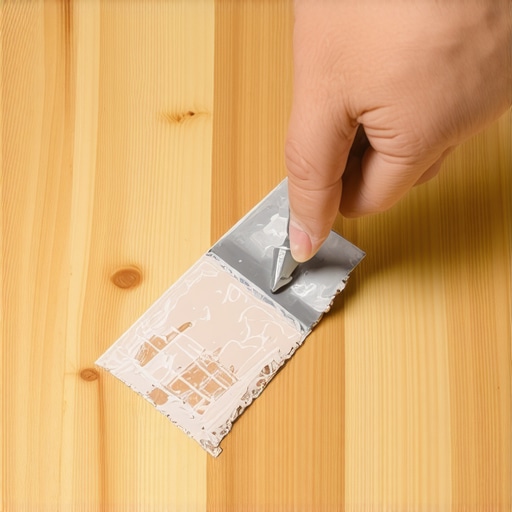
Using a putty knife, apply the filler slightly above the surface to compensate for shrinkage as it dries. Press it firmly into the scratch, smoothing the surface. For example, I once overfilled a deep gouge, and the excess seeped onto the floor, making the repair more visible. So, a thin, controlled application is key.
Letting the Filler Cure Properly
Follow the manufacturer’s instructions for drying time, typically 2-4 hours. Avoid rushing this step to prevent adhesion issues or a mismatched finish. I once hurried through and noticed the filler cracked within days, which required redoing the repair.
Sanding Smooth for a Seamless Finish
Carefully sand the filled area with fine-grit sandpaper, blending it into the surrounding floor. Use gentle, circular motions and frequently check your progress. I used a small block sander to maintain control, avoiding accidental damage to the rest of the floor.
Refinishing to Match the Original Look
Apply a finish that matches your floor, whether it’s polyurethane, shellac, or oil-based. Use a small brush or cloth for touch-ups, feathering out the edges to blend the repair. I found that using the same finish as my original floor helped the repair become nearly invisible after curing.
Protecting the Repaired Area
Allow the finish to cure fully before walking on the area. Consider applying a furniture wax or polish for added protection. This step prolongs the repair’s lifespan and keeps your floor looking pristine. I always avoid heavy foot traffic for at least 24 hours post-repair.
By following these precise steps, you can effectively repair deep scratches without the need for full sanding or replacing entire sections. Remember, patience during each stage yields the best results and keeps your hardwood looking flawless for years to come.
Many homeowners operate under the assumption that hardwood flooring, tile, and leveling are straightforward tasks, but the reality is more nuanced. One widespread myth is that all hardwoods age equally well without special care. In truth, species like white oak are more resilient to humidity fluctuations and wear, making them better long-term choices in variable climates. Misjudging this can lead to costly replacements sooner than expected, so understanding these finer points can save you thousands. Choosing the right hardwood is an initial step that many overlook, and it significantly impacts durability and maintenance.
Another misconception relates to tile installation and subfloor preparation. Popular belief suggests that a simple level subfloor guarantees perfect tile adhesion. However, experts emphasize that the quality of the subfloor’s flatness, moisture content, and evenness are critical; neglecting these can cause tiles to crack or loosen over time. For an expert-level approach, see precise leveling techniques. Skimping on these details is one of the biggest errors amateurs make, often resulting in expensive repairs.
Floor leveling may seem like a basic step, but many get caught in a common trap: assuming that standard shims or self-leveling compounds are always sufficient. The truth is, advanced shifts in subfloor structure or uneven joists require more meticulous methods. Using improper products or rushing the process can lead to uneven surfaces or tiles that tile installers can tell you are destined to crack. For a deeper dive into superior techniques, consider reviewing this comprehensive guide. Proper leveling doesn’t just make your floor look good; it extends its lifespan and reduces future headaches.
Are there hidden pitfalls that even seasoned DIYers fall for? Absolutely. One such area involves moisture testing before installation. Overlooking moisture levels in concrete or wooden subfloors is a classic mistake. Excess moisture can cause adhesives to fail and lead to mold or warping. A crucial step is employing reliable moisture meters and interpreting their readings correctly. Experts like those at industry-leading sources recommend multiple tests throughout the space to prevent catastrophic failures.
False assumptions about installation timelines also trip up many homeowners. Some believe rushing the process ensures efficiency; however, rushing can lead to poor adhesion, uneven leveling, and compromised finishes. Patience during each stage—from surface preparation to curing—is essential. If you’re interested in the step-by-step processes that define a quality install, check out expert installation tips. Remember, the devil is in the details, and laying a foundation of knowledge helps you avoid costly mistakes.
Finally, let’s address an advanced question frequently asked by seasoned renovators: How does acclimation affect the longevity of your floors? Proper acclimation involves bringing flooring materials to the room’s humidity and temperature before installation. Skipping this step can lead to expansion or contraction later, causing gaps or buckling. As noted by industry standards, failure to acclimate is one of the top reasons for post-installation issues. For in-depth strategies, consult this expert resource.
In conclusion, mastering hardwood, tile, and leveling isn’t just about following templates; it requires understanding the subtleties that separate a good job from a perfect one. Have you ever fallen into this trap? Let me know in the comments.
Keep It Running: Essential Tools for Flooring Maintenance
Maintaining your hardwood and tile floors over the years is crucial for preserving their beauty and functionality. Having the right tools on hand makes all the difference. I personally swear by a high-quality microfiber mop and a pH-neutral cleaner for daily upkeep, as these prevent the buildup of grime while protecting the finish. For deeper cleaning, a steam cleaner with adjustable settings allows me to sanitize without excessive moisture, which can damage certain floor types. When it comes to spot repairs, a fine-grit sanding block paired with matching wood filler or grout prevents minor damages from escalating into costly repairs.
How do I maintain my floors over time?
Consistency is key. Regularly sweeping or vacuuming prevents dirt particles from scratching the surface, and promptly addressing spills with a damp cloth avoids stains. For hardwood, applying a quality protective finish like a high-grade polyurethane every few years restores shine and adds a layer of defense. In tile installations, sealing grout lines at least once a year prevents moisture infiltration that could compromise the subfloor. Using a moisture meter before refinishing or sealing can save you from mistakes that might lead to long-term issues; for detailed techniques, visit this expert guide.
Tools I recommend for flooring projects
- Laser Distance Measurer: Accurate room measurements eliminate guesswork, ensuring perfect fitting and reducing waste. I rely on a laser model from Bosch because its precision and quick readings save me hours during installation.
- Floor Level Scanner: Ensuring subfloor flatness is non-negotiable. I use a digital scanner that provides real-time 3D maps of the surface, so I can identify high and low spots before laying down new flooring.
- Proper Underlayment: For maximizing soundproofing and durability, I choose closed-cell foam underlayments when installing luxury vinyl or hardwood over existing floors. It also helps with minor leveling tweaks and moisture barriers.
- Floor Sander and Edger: When refinishing hardwood, an orbital sander coupled with detail edgers allows for smooth, even surfaces. I prefer dustless models that minimize cleanup and health risks, making the process cleaner and safer.
Upcoming Trends in Floor Maintenance
Looking ahead, I predict an increase in smart flooring sensors that monitor moisture levels, wear, and even temperature. This tech will alert homeowners before small problems turn into significant damage, saving time and money. Additionally, eco-friendly finishes with longer lifespan and increased resistance to scratches are gaining popularity, aligning with sustainability goals. Keeping abreast of such innovations ensures your flooring investments remain protected and looking great for decades.
One advanced move I recommend trying is investing in a moisture meter to routinely check subfloor conditions, particularly before refinishing or sealing. Early detection of moisture issues can prevent costly remodels later. For a reliable device, consult this comprehensive resource. Regular maintenance with the right tools prolongs your floors’ lifespan, making the investment truly worthwhile. Don’t wait for visible damage—start integrating these tools and habits today to keep your floors in top shape for years to come.
What I Wish I Knew About Flooring Before Diving In
One of my biggest lightbulb moments was realizing that not every deep scratch warrants the same repair approach. Some scratches penetrate beyond the finish, requiring more careful treatment, while others are surface-level and much simpler to address. Understanding this distinction saved me time and money, and it emphasized the importance of thorough assessment before jumping into repairs.
Another lesson learned is that matching finishes is an art in itself. Rushing to apply a finish or choosing an off-brand filler can make repairs more noticeable. Patience and attention to detail during each step ensure seamless results that blend naturally with the existing flooring.
Lastly, I discovered that preventative measures, like using furniture pads and regular cleaning, are crucial for prolonging the life of hardwood and tile floors. Investing in some simple protective tools can save you from major repairs down the line, making maintenance an ongoing, rewarding effort rather than a chore.
Tools and Resources That Elevated My Skills
My go-to kit includes a reliable wood filler that perfectly matches my floor color—trustworthy brands like Minwax for their consistency. A fine-grit sandpaper and a putty knife are essential for smooth, controlled repairs. For assessing subfloor flatness, I depend on a high-quality laser distance measurer and a digital floor scanner—these tools help me identify issues at their root before they become costly problems.
When it’s time for refinishing, I lean on expert guides that detail techniques for blending repairs, ensuring a flawless finish. These resources have been game-changers, teaching me that craftsmanship involves patience, precision, and using the right tools at the right time.
The Courage to Reinvent My Approach to Flooring
Taking on these lessons pushed me out of my comfort zone, encouraging me to experiment and learn from mistakes. A significant breakthrough was realizing that proactive maintenance—like periodic sealing and moisture testing—can prevent deep scratches and subfloor issues altogether. This mindset transforms flooring from a reactive to a proactive process, empowering me to maintain beautiful, durable surfaces for years.
So, if you’re embarking on your own flooring journey, remember that each challenge is an opportunity to grow. Embrace the learning curve, invest in quality tools, and never underestimate the power of patience and proper preparation. Your floors will thank you for it, and the satisfaction of a job well done is truly priceless.