I’ll never forget the moment I stepped into my living room and noticed a tiny gap between the vinyl planks. It wasn’t just a minor flaw; it felt like a small wound on what should’ve been a seamless surface. As someone passionate about flooring, I knew this was a sign of underlying issues—perhaps subpar installation or natural shifts in my home’s foundation. But that little gap sparked a bigger concern: how do I fix it without ripping out the entire floor? If you’ve ever felt that frustrating pinch of seeing your beautiful vinyl or hardwood floors develop gaps or unevenness, you’re not alone. Many homeowners face this silent upheaval, and the good news is, there are effective hacks to level slabs and restore that sleek finish without full renovations.
Why Floor Leveling Matters More Than Ever in 2026
In recent years, the demand for perfectly leveled floors has skyrocketed, especially with the surge in luxury vinyl and engineered hardwoods. Floors that are out of alignment not only look unsightly but can also cause further damage over time—think cracked tiles, squeaky hardwoods, or even tripping hazards. According to flooring experts, uneven surfaces can reduce the lifespan of your floors by causing undue stress and wear. The good news? Advanced leveling techniques tailored for 2026 have made tackling this issue much more manageable. Whether it’s minor dips or significant slabs, mastering a few clever hacks can save your floors and your budget.
Skeptical? Think Floor Leveling is Too Complex or Costly?
Early in my DIY journey, I made the mistake of assuming that uneven floors only required professional intervention or full replacements. I learned the hard way that rushing into fixes without proper knowledge often worsened the problem. What I’ve discovered is that with the right tools, techniques, and a bit of patience, you can achieve near-professional results. Want to see how? We’ll dive into three hacks that have transformed my approach—and could do the same for your space. For a deeper dive into professional-grade techniques, you might find useful insights in this comprehensive guide.
Ready to stop hiding those gaps and start fixing them? Let’s explore some proven methods to level your slabs effectively in 2026 and beyond.
Address Subfloor Irregularities Before You Proceed
Start with a thorough inspection of your subfloor. Walk across the surface and listen for hollow sounds, which indicate unevenness. Use a digital level or a long straightedge to identify high and low spots. I once discovered a significant dip in my hardwood area that caused squeaking; addressing this early saved me from future cracks. Apply a prefabricated self-leveling compound designed for substantial irregularities. Pour the compound in sections, focusing on low spots, and spread it evenly with a trowel. Remember, the key is to work quickly before it sets—practice with a small batch if unsure. For minor dips, a rolled-on latex leveling bed might suffice, providing a flexible base that accommodates slight shifts without cracking. Check the levelness repeatedly during drying to ensure precision. Proper subfloor prep is crucial, so avoid skipping this step by consulting expert tips at this guide.Many homeowners, even those who have tackled DIY projects before, often hold misconceptions about the nuances of floor leveling and flooring installation. One common myth is that surface-level fixes, like sanding or minor patchwork, can permanently resolve uneven floors. In reality, addressing foundational issues—such as subfloor irregularities or moisture problems—is crucial for long-lasting results. Overlooking these deeper issues can lead to recurring problems, like new gaps or squeaks, which are only compounded over time. Having a clear understanding of the underlying causes prevents costly mistakes and ensures your floors stay level and durable. For instance, expert insights highlight that improper subfloor preparation is a leading cause of failed installations, emphasizing the importance of comprehensive assessment before proceeding.
Maintaining your floors beyond a successful installation is crucial for ensuring their durability and aesthetic appeal over time. The right tools and regular upkeep can significantly extend the life of hardwood, tile, or vinyl surfaces, saving you money and hassle in the long run. Personally, I rely on a few specialized equipment and tried-and-true methods to keep my floors in top condition.
Invest in a Quality Floor Sander and Buffer
I emphasize the importance of a professional-grade floor sander for periodic refinishing of hardwood floors. My personal favorite is the Festool RTS 400, which offers excellent control and finish quality. Pairing it with a drum sander allows me to remove scratches and minor imperfections, restoring the surface’s integrity. I use a variable-speed buffer with soft pads for gentle polishing, maintaining that pristine shine without damaging the finish. Regular buffing not only enhances appearance but also helps distribute surface coatings evenly—a practice I recommend especially for high-traffic areas.
Use Specialized Cleaning Equipment and Products
Choosing the right cleaning tools makes a big difference. I swear by a microfiber mop combined with a floor-cleaning solution formulated for my specific flooring type. For hardwoods, I use a pH-neutral cleaner to prevent finish degradation. For tiles, I opt for a steam cleaner that dissolves grime without harsh chemicals. Avoid overly abrasive scrubbing brushes or wax-based products, which can build up or cause surface damage. For long-term results, I also periodically apply a UV-resistant finish, which I source from trusted suppliers like this guide—it helps protect against sun damage and maintains color vibrancy.
Embrace Routine Checks and Repairs
Performing regular inspections enables early detection of issues such as cracks, gaps, or moisture infiltration. I use a moisture meter during seasonal changes to ensure humidity levels stay within the recommended range, preventing warping. Small repairs, like filling gaps with color-matched wood filler or sealing grout joints, can prevent larger damages. For tile floors, I recommend periodic re-grouting using high-quality, flexible grout to accommodate slight movements and avoid cracking, as detailed in this resource.
Planning for Longevity: Going High-Tech and Scaling Up
The future of floor maintenance leans toward automation and smart monitoring. Digital moisture sensors and intelligent cleaning devices are increasingly accessible, enabling precise upkeep without manual effort. As your space expands, investing in modular or scalable flooring solutions minimizes downtime and simplifies repairs. Scaling your maintenance routines ensures your floors age gracefully, preserving their value and appeal. I encourage you to incorporate at least one advanced maintenance tip, like seasonal moisture checks or UV-protective finishes, into your routine—these small steps yield strong long-term benefits.
How do I keep my floors looking their best over time?
Consistent care starts with the right tools and proactive measures. Regular inspections, appropriate cleaning equipment, and timely repairs are vital. Remember, neglecting maintenance invites costly damage and diminishes your investment. With the right equipment—such as a skilled buffer and specialized cleaning products—and routine upkeep, you can enjoy beautiful, durable floors for decades. As the trend moves toward smarter solutions, embracing innovative tech in your maintenance routine will keep your floors at their peak. For expert insights and detailed techniques, reviewing this comprehensive guide can help refine your approach. So, why not start today by trying out a high-quality buffer or scheduling your next moisture test? Small investments in maintenance tools promise large returns in longevity and appearance.
Lessons From My Flooring Journey: What Future-Proofed My Home
One of the most impactful lessons I learned was the importance of addressing subfloor irregularities before installing new flooring. Ignoring underlying issues led to future gaps and squeaks, reminding me that a solid foundation is non-negotiable. Additionally, I discovered that patience and careful preparation during leveling processes save time and costs later. Lastly, embracing newer materials like self-leveling compounds tailored for 2026 ensures longevity and a polished look, making the effort truly worth it.
Tools and Resources That Elevated My Flooring Game
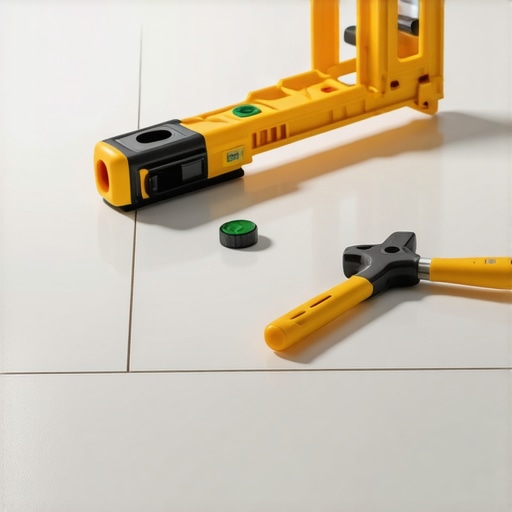
Having the right tools makes all the difference. I rely on a precise laser level for accurate measurements, a high-quality floor sander to maintain surface quality, and moisture meters to prevent future issues—these are my essentials. Books like this expert guide have deepened my understanding, while online tutorials from trusted sources have provided practical step-by-step insights. Investing in reliable supplies and knowledge has transformed my approach into a professional-standard practice.
Your Next Step Toward Perfect Floors
Taking action today can dramatically extend the life and beauty of your floors. Whether you’re planning a renovation or maintenance, incorporating expert advice and the latest techniques in 2026’s flooring landscape empowers you. Remember, every small effort in leveling and upkeep pays off in peace of mind and aesthetic appeal. So, why not start by checking your subfloor’s flatness or exploring new leveling compounds? Your future self will thank you for the commitment to excellence!
Have you faced challenges with floor leveling or maintenance? Share your experiences below—let’s learn and grow together in creating beautiful, durable spaces.