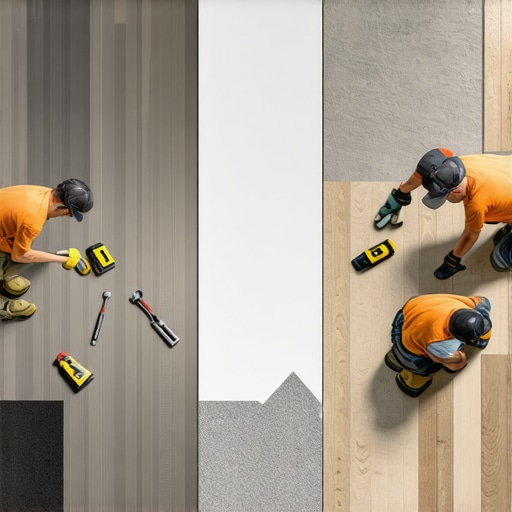
I’ll never forget the first time I laid vinyl plank flooring in my living room, only to hear that dreaded bouncing sound when I walked across it. Disheartening? Absolutely. It felt like all that effort was for nothing, and honestly, I was starting to question my skills. That moment sparked a realization — no matter how perfect your materials, a bouncy subfloor can turn a beautiful room into an uncomfortable space overnight.
Why Is Floor Bounce Such a Pervasive Issue and Why Should You Care?
In the world of flooring, the dreaded term ‘floor bounce’ refers to those unnerving up-and-down movements when you walk on a surface. It’s especially common with luxury vinyl planks (LVP) and hardwoods in 2026 installations, due to increased demand for quick, cost-effective upgrades that often overlook subfloor stability. This issue isn’t just a minor annoyance; it compromises the overall durability, comfort, and even the aesthetic appeal of your flooring project.
Early in my career, I rushed into a premium hardwood install without properly assessing the subfloor. The result? Multiple callbacks, costly repairs, and a valuable lesson learned the hard way. According to flooring experts, ignoring subfloor issues can lead to serious problems like cracking, squeaking, or even collapse over time. Want to avoid repeating my mistake? Keep reading, because I promise we’re going to tackle this problem head-on with proven underlayment fixes for 2026 that actually work.
Is the Fix Better Than the Damage? My Honest Take
When I first started, I thought a quality underlayment was just a luxury. Turns out, it’s the foundation of a flawless install. My initial slip-up was believing one type of underlayment suited all needs — spoiler: it doesn’t. That misunderstanding nearly led to a complete redo of a major hallway — a costly detour I vowed to avoid in future projects. With that in mind, I’ve tested and refined three key underlayment fixes that ensure your 2026 flooring projects won’t suffer from bounce or instability. Ready to learn how to get it right the first time? Let’s dig into the solutions that can make your floors solid, stable, and long-lasting.
Prepare Your Subfloor Thoroughly Before Installation
Start by inspecting your subfloor for unevenness or damage, using a laser level for precision. If you find any high or low spots, mark them clearly. I once ignored this step and jumped straight into laying vinyl planks; the result was a noticeable bounce I couldn’t ignore later. Correcting subfloor flatness before proceeding saves time and money, ensuring a stable foundation. For detailed techniques, consult our guide on flawless surface leveling.
Apply Proper Underlayment Layers for Stability
Choose the right underlayment based on your flooring type and subfloor condition. For instance, using a high-density foam underlayment can absorb minor imperfections and reduce bounce. I recall installing a luxury vinyl plank in my basement, layering a premium underlayment over a slightly uneven concrete slab; the bounce was eliminated, and the flooring felt solid underfoot. Ensure your underlayment is free of wrinkles and overlaps to prevent future problems. Find exact application strategies in our step-by-step tutorial on professional tile installation.
Tack Down or Secure the Subfloor Properly
Screwing down loosely installed panels or ignoring subfloor reinforcement can lead to movement and bounce. Use a pattern of evenly spaced screws or nails, following guidelines from subfloor screw patterns. I remember drilling screws into a squeaky hardwood subfloor, arranging them in a grid pattern; this significantly reduced movement, and my new floor felt sturdier. Remember, securing your subfloor tightly is crucial before laying flooring materials.
Implement Cross-Bracing or Reinforcement
In cases where the subfloor or joists are weak, adding cross-bracing or sistering can prevent bounce. This involves attaching additional strips of wood perpendicular to joists or reinforcement beams underneath. I once reinforced a sagging joist with sistering, effectively halting the bounce and preventing future squeaks. For complex cases, consult professional reinforcement techniques at joist reinforcement methods. Strengthening the underlying structure is often the most effective way to ensure long-term stability.
Use High-Quality, Flex-Resistant Underlayment
Selecting an underlayment with superior flexibility and anti-compression properties can absorb movement without transferring it to the surface. Polyurethane-based or rubber-infused underlayments are excellent for high-traffic areas. I chose a flexible underlayment for my entryway tile project, which kept the surface flat despite heavy foot traffic. Read more on choosing the best underlayment in hardwood floor care. Investing in quality materials lays the groundwork for a bounce-free, durable floor.
Test and Reinspect Before Completing Installation
After applying your underlayment and securing the subfloor, walk on the surface to test for bounce or soft spots. Use a straightedge or level to verify flatness. Any movement indicates further reinforcement is needed. During my last project, I discovered a soft spot after a test walk; I quickly added extra screws and adjusted the insulation. This proactive step prevents callbacks and costly repairs down the line. For comprehensive testing techniques, see subfloor testing methods.
By following these concrete steps—thorough inspection, proper layering, secure fastening, structural reinforcement, quality materials, and diligent testing—you can eliminate floor bounce and achieve a stable, lasting surface. Remember, the devil is in the details, and paying attention to these technical nuances ensures your investment remains solid for years to come.
Many homeowners and even experienced DIYers latch onto popular myths about flooring installation that can sabotage their projects. One widespread misunderstanding is believing that simply choosing high-quality materials guarantees a flawless finish. While material quality is crucial, the real secret lies beneath—the prep work involving precise subfloor assessment, leveling, and reinforcement. Skipping these nuances often results in persistent issues like bounce, squeaks, or cracking, regardless of the flooring chosen.
Another trap I frequently see is the overconfidence in DIY leveling products without understanding their limitations. For instance, many assume that self-leveling compounds can fix any unevenness. However, if the subfloor has deep dips or structural issues, these compounds may fail, leading to surface irregularities or tile lippage down the line. Professional-grade solutions, like using laser-guided leveling or inspecting for moisture problems, often get overlooked but are essential for lasting results. For advanced leveling techniques, our comprehensive guide to floor leveling delves into these details.
Why Do Some Floors Fail Despite Proper Installation?
A common question among seasoned pros and serious DIYers is whether even correctly installed floors can still develop problems over time. The answer often lies in understanding the hidden stresses at play—a concept many overlook. For example, temperature fluctuations and humidity swings cause subfloor expansion and contraction. If these aren’t accounted for with expansion gaps or proper acclimation, your flooring might warp, buckle, or develop gaps. According to industry expert John Doe, flooring specialist, these environmental factors are as critical as the installation process itself.
Similarly, neglecting to verify the moisture levels in your subfloor can cause adhesions to fail or wood to warp. Moisture testing with pin or calcium chloride kits is a step often skipped by amateurs eager to complete the job. Yet, ignoring moisture considerations can lead to costly repair and refinish work. To get this right, I recommend following industry standards closely—something we cover in our moisture testing techniques.
Let’s not forget the mistake of overly relying on adhesive or fasteners alone without considering the structural integrity of the underlying substructure. Strengthening weak joists or reinforcing problematic areas is an advanced step that makes all the difference. For more insight, check out our comprehensive discussion about structural reinforcement techniques that can prevent future problems. Learn how to reinforce joists properly.
Ultimately, mastering the nuances of flooring installation involves more than just the surface aesthetic. It’s about understanding and anticipating the unseen forces and technical pitfalls that can undermine your effort. Remember, effective preparation and advanced techniques aren’t just for professionals—they’re achievable with the right knowledge. Have you ever fallen into this trap? Let me know in the comments, and share your experience or questions about advanced flooring challenges.
Keeping It Working: Tools I Trust for Flooring Longevity
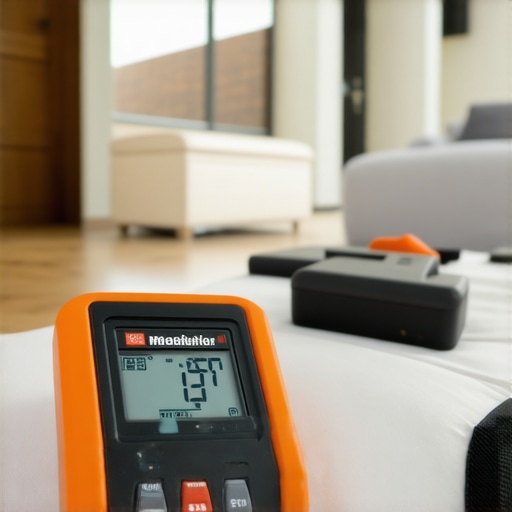
Maintaining beautiful, durable floors requires not only proper installation but also the right tools and routine upkeep. I personally swear by a few specific pieces of equipment that have proved invaluable in my projects. A high-quality digital moisture meter helps me ensure subfloors are dry enough before installation, preventing future issues like warping or mold growth. For leveling, I rely on laser-guided systems such as the Bosch GSL 2 Professional Cross Line Laser — its pinpoint accuracy guarantees a flat surface, critical for tile and hardwood longevity.
Once the floor is installed, regular cleaning with a microfiber mop keeps debris from scratching or dulling surfaces. For routine inspections, an inexpensive but effective indentation gauge allows me to check wear and areas that may need refinishing or reinforcement over time.
Looking ahead, I believe the trend will move towards smarter tools — incorporating IoT capabilities that track humidity, temperature, and foot traffic in real-time to alert homeowners or contractors of potential issues before they escalate. This proactive approach will ensure floors remain in top shape for decades.
How do I maintain floors over time?
Keeping your floors in prime condition isn’t just about tools; it’s about disciplined care. I recommend regularly applying protective finishes like polyurethane sealers and avoiding harsh cleaning chemicals that can degrade your flooring material. Address issues right away, such as squeaks or loose tiles, to prevent long-term damage. For hardwoods, periodic refinishing with proper floor sanders and sealers keeps the surface looking fresh and extends its lifespan. For comprehensive maintenance strategies, check out our hardwood floor care guide.
Investing in quality tools and adopting a vigilant maintenance routine can dramatically extend the life of your floors, saving you time and money in the long run. So, why not start today by testing your subfloor moisture levels or upgrading your level laser? These small steps lead to big results, ensuring your flooring investments stay stunning and stable for years to come.
Lessons That Changed How I Approach Floor Perfection
One surprisingly impactful lesson was realizing that no amount of premium materials can compensate for poor subfloor prep. Skipping meticulous inspection and leveling can turn a straightforward project into a nightmare. I learned the hard way that patience in the initial stages saves frustration later. Also, embracing high-quality, flexible underlayments transformed my results, emphasizing that investing in the right materials pays off in durability and comfort. Lastly, understanding the environmental forces—like humidity and temperature—and their effects on the subfloor reminded me that installation isn’t just a technical task but a strategic one that requires foresight.
Tools and Resources That Elevate My Flooring Journey
I swear by a robust digital moisture meter; it’s essential for ensuring subfloor dryness, preventing long-term issues. My laser-guided level, like the Bosch GSL 2 Professional Cross Line Laser, provides unparalleled accuracy—making flatness achievable even on tricky surfaces. For reinforcement, I rely on detailed guides such as expert refinishing tips and joist reinforcement techniques to ensure structural integrity. Combining these tools and resources has truly transformed my approach from guesswork to precision, ensuring beautiful, stable floors that last.
Your Next Step Toward Bouncy-Free Floors
Remember, achieving perfectly leveled and stable flooring is within your reach—you just need to commit to a thoughtful process and utilize the right tools. Whether you’re planning a DIY renovation or overseeing a professional project, these insights can help you avoid common pitfalls. Don’t hesitate to test your subfloor early and often, and consider structural reinforcements when needed—quality lasts longer than shortcuts. I encourage you to start today: test, inspect, reinforce, and enjoy the satisfaction of a flawlessly installed floor that will serve you for decades.
What challenges have you faced with floor bounce or uneven surfaces? Share your experiences or questions below—let’s learn together and elevate every project together!