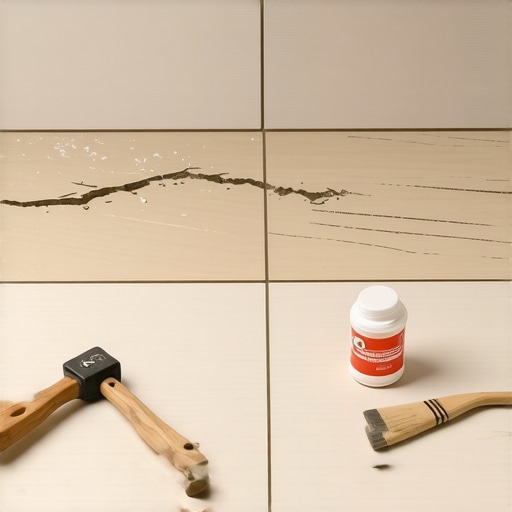
I remember the exact moment I looked down at my newly installed luxury vinyl floor and saw those dreaded dents from heavy furniture. It was a sinking feeling—like I’d failed before I even started. You see, I had just finished a major renovation, and I thought I’d nailed the flooring part. But then, those stubborn scars appeared, marring the sleek surface and making me wonder if I’d thrown my money away.
It wasn’t until I realized what caused the damage that I could finally start fixing it. Heavy furniture, especially when moved multiple times, can leave deep dents on luxury vinyl planks. These dents aren’t just superficial; they can compromise the entire look of your floor and, over time, even affect its longevity.
Today, I want to share the four most effective tips I’ve learned for repairing and preventing heavy furniture scars on vinyl floors. Whether you’re in the middle of a remodel or just want to safeguard your investment, mastering these techniques will save you time, money, and a lot of frustration.
Why Heavy Furniture Damage Is More Common Than You Think
Heavy furniture isn’t the enemy—poor protective measures are. A study by the Flooring Contractors Association highlights that improper placement and inadequate protection are leading causes of damage in vinyl floors, especially in high-traffic or heavily furnished areas. I’ve been there—thinking I was careful until I noticed those dents firsthand.
A mistake I made early on was relying solely on basic cushions without truly understanding how weight distribution works. That mistake taught me that even with soft pads, the weight has to be evenly distributed to prevent long-term dents. Because of this, I’ve adopted a proactive approach to protecting my floors and fixing nicks before they become permanent.
If you’re tired of living with those unsightly scars but are unsure where to start, don’t worry. The good news is that many of these dents can be effectively repaired with a few simple tricks. So, let’s dive into the secrets that worked for me and can work for you too.
Is Fixing Vinyl Dents Really Worth It?
Early in my flooring journey, I underestimated the impact of small dents. I thought, “They’re just cosmetic,” but over time, they led to bigger issues like uneven wear and creases, which are hard to fix once they set in. My biggest mistake was ignoring minor dents, assuming they’d disappear. A more proactive approach, including quick repairs and preventive tips, can extend your floor’s lifespan and keep it looking pristine.
For more detailed insights on hardwood floor refinishing, check my favorite expert tips [here](https://tiletrendshop.com/mastering-hardwood-floor-refinishing-expert-tips-for-2025). Now, let’s arm ourselves with practical strategies to banish those scars and keep your floors flawless.
Prepare Your Surface Before Repair
Start by cleaning the dented area thoroughly with a soft cloth and mild detergent. Remove any debris, dust, or wax to ensure proper adhesion of repair products. Use a vacuum to pick up loose particles and dry the surface completely to prevent moisture from interfering with the repair process.
Assess the Damage and Choose the Right Repair Method
Examine the depth and size of the dent. For shallow dents, applying heat and pressure can restore the surface; for deeper scars, fill and re-level might be necessary. Remember, floor leveling techniques are critical for seamless repairs.
Apply Heat to Lift the Dents
Use a hairdryer set to medium heat, holding it about 6 inches away from the damaged area. Warm the vinyl gently for about 30 seconds, which softens the material, making it more malleable. Quickly apply firm, even pressure with a soft cloth or your fingers to lift the dent. Repeat if necessary. Be cautious to avoid overheating, which can cause additional damage.
Use a Vinyl Filler for Deep Dents
If heating doesn’t fully repair deep scars, mix a vinyl repair compound following the manufacturer’s instructions. Carefully fill the scar with a putty knife, ensuring it stays level with the surrounding surface. Allow it to cure as specified, then sand lightly with fine-grit sandpaper to smooth the surface. For precise leveling, consider reviewing floor leveling techniques.
Level and Restore the Surface
After filling, gently sand the area using a block or fine-grit sanding paper. Then, apply a matching vinyl floor finish or sealant to blend the repair with the existing floor. Buff the repaired zone with a soft cloth to restore shine. If you want professional results, explore reliable flooring installation tips.
Prevent Future Damage
To minimize dents going forward, place protective pads under furniture legs—think of it like putting tires on a bike to reduce friction. Use wider coasters or furniture sliders to distribute weight evenly when moving heavy pieces. For added durability, consider implementing a protective layer of vinyl floor mats in high-traffic areas. Regular maintenance and prompt attention to emerging scars are key to preserving your floors’ integrity.
Many homeowners and DIY enthusiasts believe that achieving a perfectly level floor is simply about pouring a leveling compound and calling it a day. However, this common misconception overlooks critical nuances that can dramatically impact the long-term success of your flooring project. In my experience, rushing through leveling steps or relying solely on quick fixes often results in uneven surfaces, cracks, and future damages. One prevalent myth is that self-leveling compounds are foolproof; in reality, their effectiveness heavily depends on proper substrate preparation and understanding the limitations outlined in expert guides like the one on floor leveling techniques. To avoid costly mistakes, it’s crucial to recognize that even minor errors in subfloor assessment or application can lead to wavy, cracked, or uneven floors over time. Additionally, advanced readers should question whether standard leveling methods suit complex substrates like plywood or concrete; in such cases, multiple layers of reinforcement or specialized primers may be necessary to ensure stability. Studies by flooring professionals emphasize that mastering substrate evaluation and choosing the appropriate leveling products tailored to your specific situation can significantly reduce errors and enhance durability. Have you ever fallen into this trap? Let me know in the comments. Properly addressing these subtleties elevates your project from amateurish fixes to expert-quality results, preventing headaches and saving money in the long run.
Keeping Your Floors in Peak Condition Made Simple
Maintaining your flooring, whether it’s hardwood, tile, or vinyl, requires the right tools and a consistent routine. Over the years, I’ve refined my toolkit to include specific equipment that guarantees professional-quality results and extends the lifespan of my floors. Investing in high-quality tools not only makes the job easier but also ensures durability and aesthetics.
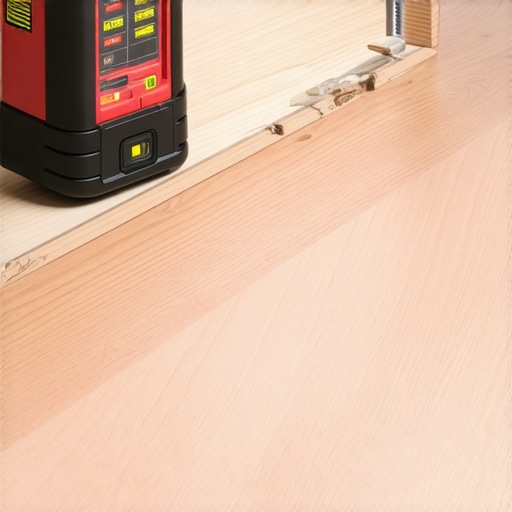
One staple in my arsenal is a moisture meter, vital for assessing subfloor conditions before installation or repair. A reliable device like the Tramex Moisture Encounter Plus helps me detect hidden moisture issues early, preventing future problems like warping or mold. This goes hand-in-hand with a laser level—a must-have for ensuring every tile or plank sits perfectly flat. I prefer a self-leveling laser such as the Johnson level 99-006K, because it provides quick, accurate readings across large areas, reducing human error.
For regular cleaning and upkeep, I recommend a microfiber floor mop paired with a gentle pH-balanced cleaner. Avoid harsh chemicals that can damage finishes; instead, opt for solutions recommended in hardwood floor care secrets. This combination preserves shine and prevents buildup that can cause scratches or dullness over time.
When it’s time to do deeper maintenance, proper sanding equipment is crucial. I always use a dustless sander fitted with a HEPA filter, which significantly reduces airborne dust and makes cleanup more manageable. Remember, regular inspections for scratches, dents, or gaps can catch issues early, saving you money and effort in the long run.
How do I maintain my floors over time?
Keeping your floors looking great for years involves routine cleaning, prompt repairs, and periodic assessments of wear. Set a schedule to inspect your floors at least twice a year. Clean spills immediately to prevent stains and damage. Protect high-traffic zones with area rugs or floor mats, especially in kitchens and entryways. Move furniture carefully—use sliders or lift rather than dragging—to avoid scratches and dents. For a more comprehensive approach, consult my detailed tips on hardwood floor maintenance.
For those considering long-term results, investing in professional-grade tools and adopting a consistent maintenance routine can transform your flooring experience. As I’ve learned through personal trials, quality tools like a laser level and moisture meter make a real difference. The trend is moving toward smarter, tech-enabled tools, so keeping an eye on innovative equipment can boost your results even further. For example, laser-guided leveling systems are becoming more precise and user-friendly, allowing DIY enthusiasts to achieve professional standards without breaking the bank.
Don’t forget, the key to that flawless finish is regular maintenance and early intervention. I encourage you to try using a moisture meter before your next installation or repair — it’s a game-changer that can prevent disasters. By combining the right tools with good habits, you ensure your floors stay beautiful and durable for decades to come.
Lessons That Took Me Beyond the Basics
One of the most surprising revelations was how often I underestimated the importance of detailed substrate prep, which led to uneven surfaces despite my best efforts. The deeper I delved, the more I realized that every small misstep—like skipping the primer or rushing the drying time—could multiply issues down the line. I discovered that patience and precision are my most valuable tools, transforming my approach from hurried fixes to meticulous craftsmanship.
Another lesson was understanding the true limitations of self-leveling compounds. Initially, I believed they were foolproof, but experience taught me that they rely heavily on proper application techniques and substrate conditions. Recognizing the importance of assessing moisture levels and surface flatness beforehand saved me from costly rework. This insight pushed me to seek out quality resources, like the comprehensive guide on floor leveling techniques.
Finally, I realized that addressing problems early—not waiting for visible damage—can extend the life of my floors significantly. Regular inspections and gentle corrective actions prevent small issues from evolving into major setbacks. This proactive mindset, coupled with the right tools, has become my secret weapon for longevity and aesthetic excellence in flooring projects.
Tools and Resources That Changed My Game
Efficient flooring starts with the right equipment. A quality moisture meter like the Tramex Moisture Encounter Plus is indispensable for assessing subfloor hydration, preventing future problems. For precision leveling, I rely on laser-guided systems such as the self-leveling laser, which ensures surface flatness with minimal effort. When it’s time to repair, I trust high-quality vinyl fillers and sealants, sourced from trusted brands, to seamlessly restore appearance and durability.
Educational resources also play a role. The dedicated comprehensive guide on floor leveling offered detailed step-by-step techniques that elevated my understanding beyond basic DIY efforts. Books and online forums focusing on advanced flooring strategies have provided insights that I integrate into each project, making my work not only effective but also rewarding.
Claim Your Confidence: Take Action Today
Don’t let fear of making mistakes hold you back from creating flawless floors. With the right knowledge, tools, and a proactive approach, you can achieve results that rival professional craftsmanship. Every step you take toward mastering leveling, repair, and maintenance adds to the beauty and longevity of your floors. Remember, the most successful projects begin with a decision to learn and improve—so why not start today? Your floors deserve it, and so do you.