
It was a typical Monday morning when I stepped into my office and immediately noticed the uneven, cracking tiles near the conference room. Frustration boiled over—not because of the mess, but because I knew the disruption this would cause to our busy schedule. That moment was a lightbulb for me: this problem wasn’t just about aesthetics; it was about minimizing downtime and avoiding costly repairs that could derail an entire workweek.
As someone who’s managed commercial spaces for years, I’ve learned that quick, effective flooring fixes are game-changers, especially in offices where every minute counts. Today, I want to share how you can tackle common flooring issues with solutions that are not just efficient but also wallet-friendly. Whether you’re dealing with tiles, hardwood, or uneven surfaces, these fixes can help your space stay professional and functional without the chaos of extensive renovations.
Why Office Flooring Problems Can’t Wait
In the fast-paced world of 2026, office distractions aren’t just about notifications or emails—they’re also about things like squeaky floors, cracked tiles, and uneven surfaces that slip under the radar but disrupt workflow and first impressions. The truth is, many office managers wait too long before addressing these issues, thinking they can patch things up later. But research shows that even minor flooring problems can decrease employee productivity and harm client perceptions, both of which hit your bottom line.
Imagine a visitor walking into your office and tripping over a cracked tile or noticing the uneven flooring near your reception. These aren’t just superficial issues; they signal neglect and can lead to bigger structural problems if ignored. Plus, with the myriad of flooring options available today—like luxury vinyl that peels, or hardwood that scratches easily—having reliable fixes at your fingertips can save you time and stress.
One mistake I made early on was trying DIY fixes without understanding the underlying cause. I once used standard mortar to level out a small dip in a busy hallway, only to realize later that the subfloor was uneven, causing new cracks. That experience taught me the importance of diagnosing correctly before jumping into repairs. For more insights on avoiding common pitfalls, I recommend reviewing [flooring installation mistakes to avoid for lasting results](https://tiletrendshop.com/flooring-installation-mistakes-to-avoid-for-lasting-results).
Now, let’s dive into the practical solutions that can keep your office running smoothly, without the chaos of prolonged downtime. These strategies are designed to save you time, money, and headaches—trust me, they’re worth their weight in gold when you need quick, dependable results.
Assessing the Subfloor Before Starting
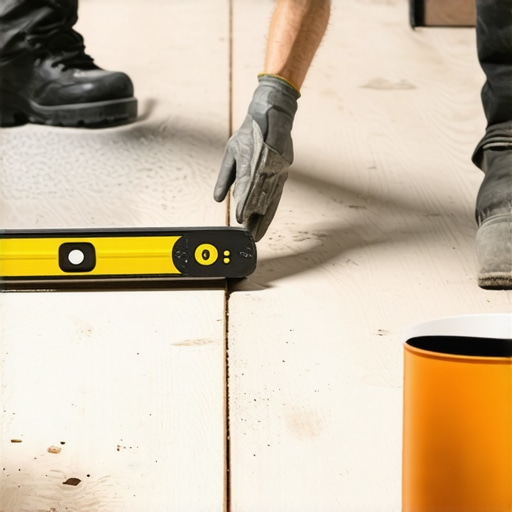
Begin by thoroughly inspecting your subfloor to identify dips, bumps, or moisture issues. Use a long straightedge or a level to check flatness; if you detect irregularities exceeding 1/4 inch over 10 feet, plan for leveling. This initial step prevents future cracks and uneven surfaces, saving time and money.
Test for Moisture Content
Next, measure moisture levels with a pin or pinless meter at multiple locations. Excess moisture can cause hardwoods to warp or adhesive to fail. Address any moisture problems before proceeding, often by improving ventilation or applying a moisture barrier.
Preparing Your Materials and Tools
Gather necessary supplies such as self-leveling compounds, primer, trowels, and a mixer. For complex repairs, consider renting a power trowel or a laser leveling device—these tools make the process faster and more precise. Proper preparation ensures material adhesion and a smooth finish.
Applying a Primer for Better Adhesion
Before pouring leveling compounds, apply a compatible primer to the existing surface. This step enhances bonding and reduces the risk of future de-lamination. Follow manufacturer instructions meticulously for optimal results.
Executing the Leveling Process
Mix your self-leveling compound according to the instructions, ensuring a consistent flow. Pour the mixture into the low areas and spread it evenly with a trowel or gauge rake. For larger areas, use a squeegee or a long straightedge to guide the leveling, mimicking the way a painter spreads paint for uniform coverage. Remember, quickly working with the compound before it sets is crucial—work in sections if necessary.
Once poured, use a gauge rake to feather edges and eliminate ridges. For intricate spots, a notched trowel can help smooth the surface. Watching the compound naturally settle is satisfying, but you must act swiftly to ensure the surface remains even and flat.
Finishing and Curing
Allow the leveling compound to cure fully—this may take up to 24 hours. Keep the area protected from foot traffic and moisture during this period. A properly cured surface creates a solid foundation for your flooring, whether tile, hardwood, or vinyl.
Verifying the Final Surface
After curing, recheck with a level or straightedge for flatness. Spot any uneven areas and apply additional leveling if necessary. This step ensures the surface is smooth, which is key to avoiding tile cracking or hardwood squeaking later on.
For more in-depth techniques, including troubleshooting persistent dips or high spots, review [precise floor leveling techniques](https://tiletrendshop.com/precise-floor-leveling-techniques-to-achieve-flawless-surfaces) and ensure your preparation aligns with best practices. Remember, patience and attention to detail during this phase can dramatically improve your project’s durability and aesthetic finish.
Many believe that flooring installation is a straightforward process, but in reality, there’s a lot more complexity—especially when it comes to hardwood floors, tiles, and leveling techniques. One widespread myth is that using generic self-leveling compounds guarantees a perfectly flat surface; however, this overlooks the importance of proper substrate preparation and moisture testing. In my experience, skipping detailed subfloor assessments often leads to cracks, lipped tiles, or squeaky hardwoods down the line. A surprising nuance is that not all leveling compounds are compatible with every substrate, which can cause delamination or uneven curing. For advanced installers, understanding the chemical composition of leveling products and how they interact with subfloors is crucial—this knowledge can make the difference between a flawless finish and costly rework. I also see many professionals fall for the misconception that larger tiles are more forgiving on uneven surfaces; in fact, large-format tiles demand even more precise leveling due to their size. Don’t forget, the curvature of your subfloor can be hidden from sight but greatly impacts tile lippage or hardwood stability. Incorporating laser-guided leveling tools can detect subtleties that eye tests might miss, preventing pitfalls before they happen. A study from the Tile Council of North America emphasizes that proactive subfloor assessment improves long-term durability and appearance of tile and wood flooring. Make sure to verify flatness with a 3- to 4-foot straightedge before beginning—skipping this step is a common mistake that tends to bite you later. For an in-depth guide on achieving perfectly level surfaces, check out our detailed article on floor leveling techniques. Always remember, a small investment in diagnosis and preparation now saves time, money, and headaches later. Have you ever fallen into this trap? Let me know in the comments.Maintaining your flooring’s beauty and functionality over time requires more than just initial installation skills; it demands the right tools and a proactive approach to upkeep. Personally, I swear by a few key pieces of equipment that streamline maintenance and ensure durable results. A high-quality moisture meter is indispensable for hardwood owners—regular moisture testing prevents warping and cupping, especially in humid climates. I prefer digital pinless meters for their quick readings and non-invasive testing, which is crucial for monitoring subsurface conditions without damaging the surface. For tile care, a diamond-tipped grout saw combined with an oscillating tool lets me restore grout lines efficiently, reducing the risk of moisture infiltration that can cause cracks or mold later. Investing in a good HEPA vacuum is also a game-changer, as it captures fine dust and debris without recirculating allergens or dirt that can degrade finish quality over time. To keep floors level and smooth, I rely on a laser level—a tool I use daily—because its precision is vital when checking for unevenness that could compromise long-term integrity or aesthetics. As trends move towards smarter home maintenance, integrating sensors that monitor subfloor moisture and structural shifts remotely will likely become standard, reducing manual checks and preventing problems before they escalate.
How do I maintain hardwood floors over time? Regular cleaning with pH-neutral cleaners, combined with strategic refinishing, keeps shine and prevents scratches. Applying protective finishes like UV-resistant topcoats shields against sunlight and humidity fluctuations, extending lifespan. I recommend scheduling proactive inspections—if you notice minor scratches or dullness, a quick buff and reapplication of a high-quality finish can rejuvenate your floors rather than costly replacements. For more comprehensive guidance, the article on hardwood floor care secrets offers valuable tips. Don’t forget, the key is consistency—set a maintenance routine that includes these tools and techniques, and your floors will reward you with years of stunning performance. For example, regularly testing subfloor moisture levels with a reliable meter can prevent future issues—try integrating this simple step into your maintenance schedule today. Remember, staying ahead with the right equipment and care routines is the best way to preserve your investment and maintain that pristine look.
What I Wish I Knew When Starting Out in Flooring Repair
One of the most valuable lessons I learned was to never skip a thorough subfloor assessment before beginning repairs; rushing in without proper diagnosis often leads to recurring issues and costly rework. I also discovered that investing in quality tools, like laser levelers and moisture meters, drastically improves accuracy and saves time in the long run. Furthermore, understanding the chemistry and compatibility of leveling compounds with various substrates prevents future cracking and delamination, which can be a hidden drain on your budget. Lastly, I realized that patience and attention to detail during the curing phase determine the durability and appearance of the finished surface, emphasizing that haste truly makes waste in flooring projects.
Tools and Resources That Changed My Approach
Over time, I found that a dependable digital pinless moisture meter is indispensable, helping me catch hidden moisture problems before they escalate. The guide on precise floor leveling techniques became my go-to resource, providing step-by-step strategies to achieve flawlessly flat surfaces. For maintaining hardwood floors, assets like the hardwood floor care secrets manual have extended their lifespan and beauty. When it comes to tackling tricky tile lippage, I lean on the self-leveling secrets; they’re game-changers that prevent unevenness. Lastly, reputable brands of leveling compounds and primer kits, trusted through experience, ensure consistent results and durable repairs, making the entire process smoother and more predictable.
Your Next Step Toward Flooring Confidence
Now, it’s your turn to elevate your flooring projects with confidence and precision. Remember, mastery in flooring repair begins with diligent assessment, the right tools, and a patient approach emphasizing quality over speed. Whether you’re fixing a crack or leveling an entire room, take that first step and apply what you’ve learned today—your floors will thank you for it. Don’t wait for problems to grow; proactive repairs today will safeguard your space tomorrow. Share your experiences or ask for advice below—what’s your biggest flooring challenge right now? I’d love to hear and help you find the perfect solution.