
Ever spent hours carefully laying down a new cork floor only to find it warped, squeaky, or worse, doomed to failure? I remember the lightbulb moment when I realized that a seemingly minor mistake early in my project had cost me time, money, and quite a bit of frustration. It’s like baking a cake—you might have the perfect recipe, but skip that crucial step and everything can fall apart. Floor installations are no different. Small oversights, if ignored, can compromise the entire look and longevity of your flooring.
Why Avoiding Common Cork Flooring Mistakes Is Critical
Let’s face it: flooring isn’t just about making your space look good. It’s about durability, safety, and boosting the value of your home. If you’ve ever experienced uneven surfaces or sudden flooring gaps, you know how disruptive it can be. These issues often trace back to errors during installation, like improper subfloor prep, overlooking moisture levels, or poor choice of adhesion products. From my experience, the difference between a stunning, long-lasting cork floor and one that needs replacement hinges on catching these pitfalls early. In fact, poorly performed installations can reduce a floor’s lifespan by up to 50%, according to industry experts. So, before you jump into your 2026 project, it’s worth understanding what can trip you up.
Are You Just Wasting Money or Is Your Cork Floor Really Worth It?
I remember making the mistake of rushing the subfloor prep—something I thought was just extra work at the time. Turns out, that was the root cause of my squeaky boards and uneven spots. Trust me, neglecting this step can lead to ongoing issues, no matter how high-quality your cork tiles are. To help you avoid my mistake, I recommend checking out our detailed guide on precise floor leveling techniques. This resource offers practical strategies that can make your installation smoother and more durable, especially for floating floors like cork.
Now, let’s look into the common mistakes that could undermine your efforts—and how to sidestep them for a flawless 2026 upgrade.
Prepare Your Subfloor for Success
Start with a thorough inspection of your subfloor, ensuring it’s clean, dry, and level. Use a 4-foot level or a laser level to identify dips or humps. If you notice uneven spots, apply a self-leveling compound, following the detailed steps outlined in this guide. I once had a stubborn low spot that caused my cork tiles to buckle later; applying a proper leveling compound and allowing it to cure fully prevented future issues.
Correctly Measure and Acclimate Materials
Measure your space accurately and purchase enough tiles plus an extra 10% for waste. Acclimate the cork tiles in the installation area for at least 48 hours, keeping them in their packaging and maintaining a stable temperature and humidity. This step prevents expansion or contraction after installation. During my first project, rushing this step led to unexpected gaps once the cork warmed up, but taking the time ensured a tight fit and minimized gaps.
Strategic Subfloor Preparation for Better Adhesion
Choose the right primer and adhesive suited for cork flooring, factoring in your environment and subfloor type. For concrete slabs, a moisture barrier and a suitable adhesive like latex-based glue ensure durability. For wood subfloors, mechanical fastening may be suitable. I learned from experience that ignoring moisture barriers resulted in cupping—nothing ruins a floor faster. Consult these tips for optimal bonding.
Precision Leveling Techniques Make All the Difference
Lay out your cork tiles systematically, starting from a corner and working outward. Use spacers to maintain uniform gaps for expansion. Pay close attention to leveling as you go; small variations can lead to unevenness that catches the eye. I once failed to check levelness after placing a few rows and ended up with a noticeable hump. Applying precise leveling techniques helped me correct it before proceeding further.
Follow a Step-by-Step Installation Method
Install tiles in small sections, pressing firmly to ensure good contact with adhesive. Utilize a beating block and rubber mallet to align tiles precisely, especially for floating cork floors. Be methodical—check each row for levelness and squareness regularly. I remember rushing the process and having to remove some tiles because of misalignment; patience during this stage saves time later. For detailed strategies, see this installation guide.
Seal and Protect Your Cork Floor
Once installed, apply a high-quality, water-based sealant to protect against moisture, stains, and daily wear. Reapply periodically as recommended by the manufacturer. Avoid harsh chemicals that can damage cork’s natural finish. During my project, sealing was the final step that preserved the natural beauty and longevity of the cork. Using these care secrets kept my floor looking new for years.
Many homeowners believe that flooring installation is a straightforward process, but in reality, there’s a lot more beneath the surface. One common myth is that leveling the subfloor is simply about making it flat; however, subtle imperfections can hugely impact the longevity and appearance of your floors. Overlooking these nuances often leads to costly repairs down the line, and experts warn against rushing this stage. For sophisticated projects, small deviations of just a few millimeters can cause tile lippage or hardwood gaps, which are not only unsightly but can also compromise structural integrity. Advanced leveling techniques, such as using laser-guided tools or applying self-leveling compounds properly, can make a significant difference. Many underestimate the importance of moisture control — research from industry leaders indicates that hidden moisture issues are responsible for up to 30% of floor failures, especially with hardwood and tile. Proper moisture testing, including 3+ tests, should be standard practice before installation. A common trap is assuming that selecting premium materials alone guarantees durability; however, incompatible adhesives or improper acclimation can render even the best materials vulnerable. For instance, using the wrong adhesive in high-humidity environments may lead to premature separation or warping. Understanding these advanced details can elevate your flooring project from average to expert-level quality. If you’re planning a major overhaul, consider consulting detailed guides on [floor leveling techniques](https://tiletrendshop.com/the-ultimate-guide-to-floor-leveling-for-a-perfect-finish) and ensure you’re addressing these hidden factors. Have you ever fallen into this trap? Let me know in the comments and share your experience with flooring nuances.
How Do I Keep My Flooring Systems in Top Condition Over Time?
Maintaining your flooring after installation is crucial for long-term durability and aesthetic appeal. I recommend investing in a high-quality moisture meter such as the Protimeter Surveymaster, which allows you to regularly monitor subfloor moisture levels—a vital step to prevent future issues like warping or buckling. Coupled with a laser level like the Bosch GLL 55, you can ensure your floors stay perfectly even during ongoing maintenance or any subsurface shifts. I personally use these tools because they provide precise readings that help me catch potential problems early, saving costly repairs down the line.
In addition to physical tools, adopting a routine cleaning protocol with pH-neutral floor cleaners preserves finishes and prevents buildup that can cause scratches or dullness. For hardwood floors, periodic refinishing using a quality screen and coat process can make years of wear virtually invisible, as detailed in expert tips on hardwood refinishing. Furthermore, sealing porous surfaces annually extends their life significantly while maintaining their beauty.
What New Technologies Are Shaping Flooring Maintenance?
Emerging innovations like IoT-enabled moisture sensors and smart flooring systems are forecasted to revolutionize maintenance. These devices can alert homeowners instantly about shifts in environmental conditions that could jeopardize flooring integrity, allowing for proactive intervention. Trends indicate a move towards integrating such smart systems to enable remote monitoring and even predictive maintenance, ensuring floors stay in prime condition without frequent manual checks. For now, combining traditional tools with these evolving technologies gives the best of both worlds for durability and peace of mind.
If you haven’t yet, consider testing your subfloor’s flatness with advanced tools like the precision floor-leveling tools. Applying these methods now can prevent the hassles of repairs down the road and extend your floor’s lifespan. Remember, regular maintenance and using the right equipment are key to protecting your flooring investment. Why not try using a laser level in conjunction with moisture monitoring for your next project? It’s a game-changer for achieving professional results that last.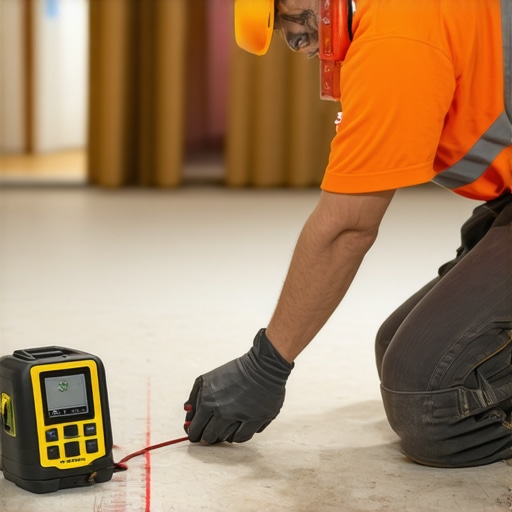
What I Wish I Knew When I Started Laying Floors
Early in my flooring journey, I underestimated the importance of meticulous subfloor prep. The lesson was costly — warped tiles, squeaky cork, and endless rework. Now, I prioritize precise leveling and moisture testing before I even open a box of tiles or hardwood planks, ensuring longevity and a flawless finish. These insights saved me time, money, and the frustration of fix-it jobs that could have been avoided with a little more patience and knowledge.
Tools That Truly Changed My Flooring Game
Over the years, I’ve come to rely on a few must-have tools that accelerate quality and confidence. A laser level helps me spot even the tiniest dips, preventing lippage and uneven surfaces. Moisture meters are my best friends, especially when working with concrete slabs or radiant heated floors. For subfloor reinforcement, a quality self-leveling compound and a sturdy trowel ensure my base is solid. These tools are investments in my craft and drastically reduce the risk of flooring failures.
Turning Challenges Into Opportunities on Your Flooring Project
One of the most valuable lessons I’ve learned is to embrace imperfections early. Whether it’s a hidden moisture pocket or a slight slope, addressing issues upfront with professional-grade solutions — like using proper moisture barriers or custom leveling — ensures a durable, beautiful result. Instead of viewing these obstacles as setbacks, I see them as opportunities to learn and improve, ultimately elevating my craftsmanship and satisfaction with the final installation.
How Setting Precise Standards Elevates Your Flooring Outcomes
In my experience, setting high standards for every step — from subfloor inspection to sealing — transforms a good flooring job into a great one. I follow detailed tutorials, like this comprehensive guide on floor leveling, to ensure nothing is overlooked. These standards encourage me to double-check measurements, test materials, and use the right adhesives, resulting in floors that stand the test of time and future improvements.
Resources That Keep Me Ahead in Flooring Maintenance
Post-installation, I swear by certain tools and resources that help maintain my floors’ pristine condition. A digital moisture meter like the Protimeter Surveymaster allows me to catch potential issues early. I also rely on tutorials, such as the ones found at this guide on hardwood care, to optimize cleaning and sealing routines. Staying proactive with maintenance ensures my floors remain stunning and functional for years.
Embrace the Journey: Elevate Your Flooring Experience
Every flooring project is a learning curve, and patience is your best ally. Don’t rush through crucial steps like subfloor assessment or acclimation — these are the foundation of lasting beauty. My advice? Equip yourself with the right tools, follow detailed resources, and keep a mindset open to learning. With dedication and attention to detail, you’ll transform your space with floors that not only impress but also endure the test of time.
What’s Your Next Step? Share Your Flooring Goals
Have you ever faced a challenge during your flooring installation or wondered about best practices? Share your experiences and questions below — your insights could be the missing piece for someone else’s project. Remember, mastery begins with curiosity and a willingness to grow. Happy flooring!
,