![3 Mixing Mistakes That Pit Your 2026 Floor Leveler [Fixed]](https://tiletrendshop.com/wp-content/uploads/2026/04/3-Mixing-Mistakes-That-Pit-Your-2026-Floor-Leveler-Fixed.jpeg)
Ever poured a batch of floor leveler only to find it cracking, sinking, or just not setting quite right? I remember one project where I thought I had the measurements down, but the moment I walked into the room the next day, I knew I’d botched something. That sick feeling of knowing your hard work is compromised by a simple mistake — it’s frustrating. I’ve been there, and if you’re planning to get your floors perfectly flat in 2026, understanding these sneaky mixing errors can save you headaches and wasted materials.
The Sticky Truth About Floor Leveling Mixtures
When it comes to leveling floors, the formula we mix is everything. A tiny slip-up during mixing can turn a straightforward job into a flip-flop of uneven surfaces and future cracks. I used to think that as long as I followed the instructions, I was good. But early on, I ignored the importance of proper water-to-powder ratios and other subtle mistakes. These seemingly minor missteps can cause your leveler to peel, crack, or worse, sink over time. It’s no exaggeration to say that mastering the correct mixing techniques is the secret to a flawless finish. In fact, a recent report from industry experts underscores that improper mixings are among the leading causes of flooring failures within the first two years of installation.
Today, we’ll tackle the top three mixing mistakes that could sabotage your 2026 flooring projects. By the end, you’ll have practical tips to ensure your floor leveler sets—thanks to proper preparation and application. So, think about this: have you faced issues with your previous leveler mixes? If so, you’re not alone, but the good news is that these errors are easily avoidable once you know what to watch out for. Let’s dive into the practical steps to get your floor perfectly flat and ready for the style you want to showcase.
Prepare Your Subfloor Thoroughly
Start by inspecting the subfloor for bumps, dips, or loose areas. Use a long straightedge or a level laser to identify uneven spots. If you find any high or low areas, sand down the high points or add a leveling compound to low sections. For example, I once had an uneven plywood subfloor that caused my tile to crack later. I rented a vibrating sander and smoothed out the surface before applying the leveling mix. Proper prepping ensures the layer beneath is stable, preventing future cracks or shifts. For a comprehensive approach, consult flooring installation tips.”} ,{Many DIY enthusiasts and even seasoned contractors often think they have the basics down when it comes to flooring, but the truth is, most get caught up in misconceptions that lead to costly mistakes. One of the most prevalent myths is that following the manufacturer’s instructions verbatim guarantees a perfect finish. While instructions are helpful, they often omit nuanced details like ambient temperature, humidity, or pre-floor preparation that can make or break the project. For instance, not accounting for seasonal humidity fluctuations can cause your hardwood floors to swell or shrink post-installation, leading to gaps or buckling. To really master the craft, understanding these subtleties is essential, as emphasized by industry expert precision leveling techniques.
Keep Your Floors Flawless with the Right Tools
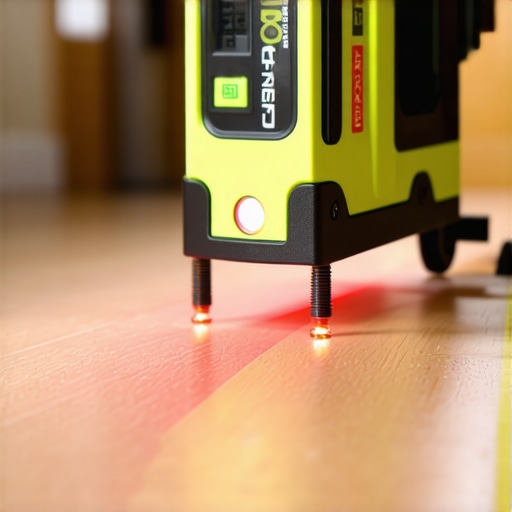
Maintaining perfect floors over time requires more than just initial setup; it demands the right tools for ongoing care and adjustments. Personally, I swear by a high-quality laser level, such as the Bosch GSL2 Professional Laser level, because it provides precise and consistent measurements to check for any shifts or unevenness in your flooring. Regularly using a laser level helps catch minor issues early, preventing them from escalating into costly repairs.
An essential, yet often overlooked tool, is a hardwood floor scraper. I use the Vaughan C900 because its ergonomic design and sharp blade make quick work of minor surface scratches or scuff marks, prolonging the life and appearance of hardwood floors. For tile installations, I rely on a rubber mallet and tile spacers, which help in adjusting tile positioning before adhesive sets, ensuring a perfectly aligned pattern that stands the test of time.
Understanding Long-Term Care and Scaling Up
As your floors mature, implementing a maintenance schedule becomes vital. Minimal routine tasks like sweeping with a microfiber mop and using pH-balanced cleaning solutions—such as the ones recommended in hardwood floor care secrets—can dramatically extend their lifespan. For larger spaces, investing in an automated floor scrubber can streamline upkeep, especially when dealing with extensive tile or hardwood areas.
Looking ahead, the trend is moving toward smart home integrations that monitor floor conditions. Advanced sensors connected to your home network can alert you about humidity levels or structural shifts, enabling preventative maintenance before visible damage appears.
How do I maintain hardwood and tile floors over time?
Maintaining your floors requires consistent attention and the right techniques. For hardwoods, periodically applying protective finishes with a quality floor buffer preserves their luster, as outlined in hardwood flooring species. Tile floors benefit from regular grout sealing and prompt repairs of any cracked tiles, using specialized grout sealants and epoxy fillers. Incorporating these practices ensures your investment continues to look stunning for years to come.
If you’re eager to optimize your floor’s longevity, consider experimenting with a dual-action floor polisher for hardwoods or a professional-grade grout cleaning system for tiles. Starting with these advanced techniques can set your floors apart and reduce future repair costs significantly. Remember, a proactive approach today means fewer surprises tomorrow!
Lessons That Changed My Floor Game
- Never underestimate the power of meticulous subfloor prep—skipping this step is like building on quicksand, and it inevitably shows up as cracks or shifts down the line.
- Accurate mixing isn’t just a tip; it’s the foundation of flawless floors. I learned this the hard way after a batch of self-leveler cracked under the weight of careless measurements.
- Tools matter more than you think—having a reliable laser level or a quality trowel can be the difference between a professional finish and a DIY disaster.
- Seasonal and environmental factors sneak into your project more than we realize. Adjusting for humidity and temperature has saved my projects from future disasters.
- Long-term care isn’t optional—regular maintenance prolongs the lifespan of your floors more than any magic finish ever could.
Tools and Resources That Elevate My Craft
- Boosh Laser Level: Precision measurements become second nature with this tool, making tile lippage or uneven hardwood a thing of the past.
- Vaughan C900 Hardwood Scraper: Sometimes, a quick surface refresh beats a full refinishing, and this tool makes the job smooth and effortless.
- Pros recommend mastering the art of proper mixing and application—these techniques have consistently saved me time and materials.
- Hardwood Floor Care Secrets: Simple routines like sealing grout or buffing hardwood extend the beauty and durability of your investment for years.
Your Next Step Starts Today
Building perfect floors in 2026 isn’t just about following procedures; it’s about understanding the nuances that ensure longevity and appearance. With the right knowledge, tools, and attitude, you can elevate your space beyond expectations. Remember, every successful project begins with confidence—so set your plans, gather your tools, and commit to excellence. Your dream floors are within reach—start now and enjoy the transformation.
What’s one common mistake you’ve made in floor leveling, and how did you fix it? Share your story below!