![Why Your Hardwood Finish is Peeling: 4 Solvent Fixes [2026]](https://tiletrendshop.com/wp-content/uploads/2026/04/Why-Your-Hardwood-Finish-is-Peeling-4-Solvent-Fixes-2026.jpeg)
It hit me one chilly morning—walking across my living room, I noticed that certain spots on my beautiful hardwood floor felt rough and flaky under my feet. At first, I thought I just needed a quick cleaning. But upon closer inspection, I realized the finish was peeling—an unsightly, frustrating issue that threatened to ruin my entire room’s aesthetic. That was my personal lightbulb moment.
Facing the Peeling Finish Problem
If you’ve ever experienced this, then you know how disheartening it can be. You invest time, money, and effort into choosing and installing hardwood, only to see the finish deteriorate prematurely. It’s not just about looks; peeling finishes can lead to further damage, affecting the durability and longevity of your floors. And let’s be honest—nobody wants to spend weekends stripping and sanding again.
In this post, I’ll guide you through proven methods to tackle peeling finishes using four effective solvent-based fixes. These are techniques I’ve personally tested and refined, and they can save you from costly replacements or invasive refinishing projects. We’ll also explore the common causes behind finish peeling so you can proactively prevent future problems.
Is Solvent Fixing Your Problem Worth the Hype?
I remember my early mistake was rushing into a full sanding without understanding the root causes of peeling. I thought a quick fix would suffice, but I soon realized that using the wrong solvent or technique could exacerbate the issue. It’s crucial to know exactly what you’re doing—otherwise, you might end up with an uneven look or, worse, permanent damage. For those skeptical, I get it—many fixes sound too simple or risky. But when applied correctly, these solvent solutions are safe, affordable, and remarkably effective. If you’re tired of watching your beautiful floor peel away or just want to know how to fix it without a costly overhaul, stay with me. We’ll unlock the secrets to a flawless finish together.
Prepare Your Workspace and Gather Supplies
Before tackling the peeling finish, clear the area around your hardwood floor and gather all necessary tools: aPutty knife, fine-grade sandpaper, solvent-based stripper or adhesive remover, clean rags, and safety gear like gloves and goggles. I once started without gloves and ended up with chemical stains on my hands, which was a lesson in preparation.
Assess the Damage and Choose the Right Solution
Identify areas with peeling or flaking and decide whether a gentle solvent or stronger stripper is needed. For minor peeling, a mild adhesive remover can do the trick; for extensive damage, you might need a specialized floor finish stripper. Think of it like peeling an apple—you want just enough force to remove the damaged layer without harming the healthy material underneath.
Apply Solvent Carefully to Loosen Finish
Pour a small amount of solvent onto a rag and gently rub it onto the peeling areas. Allow it to sit for a few minutes to soften the finish. During my own attempt, I used a rag soaked in solvent—initially too much, causing a mess. I learned to apply sparingly and work in small sections, akin to peeling layers of an onion gradually.
Remove Loose Finish and Sand Smoothly
Once the finish is softened, use a putty knife to gently lift the peeling sections. Follow up with fine-grade sandpaper to feather the edges and create a smooth transition between the repaired and intact surface. I remember a time when I sanded too aggressively, leaving scratches; then I realized that light, even strokes are key, much like polishing a car’s paint to perfection.
Reapply Finish or Seal with Matching Coating
After cleaning the area thoroughly, apply a compatible finish or sealant designed for hardwood floors. Match the sheen and color to your existing floor for a uniform look. It’s like patching a small hole—using a matching color ensures your repair blends seamlessly, preserving the aesthetic appeal.
Allow Proper Drying and Cure Time
Follow the manufacturer’s instructions for drying time, ensuring the new finish is fully cured before walking on it. This patience pays off in long-lasting results. Remember, rushing can undo your work, much like planting seeds too deeply and stunting growth.
Many homeowners assume that following basic instructions guarantees a flawless flooring job, but this oversimplification often leads to costly mistakes. One prevalent misconception is that floor levelling is a straightforward process, yet neglecting the nuances of subfloor conditions can result in uneven surfaces and future damage. For instance, a study by flooring expert Lisa Ryan emphasizes that improper leveling can cause tile lippage and squeaking hardwood floors, undermining both aesthetics and longevity. Instead of relying solely on DIY methods, investing in precise leveling techniques—such as laser-guided assessments—ensures a perfectly flat foundation, which is critical for high-quality installation. You can explore expert strategies for achieving flawless surfaces at https://tiletrendshop.com/precise-floor-leveling-techniques-to-achieve-flawless-surfaces.
Another myth is that any hardwood is suitable for every climate. In truth, wood species like white oak outlast others because they handle humidity fluctuations better, preventing warping and gaps. For a comprehensive guide on selecting the right hardwood, visit https://tiletrendshop.com/elevate-your-space-choosing-the-right-hardwood-floors-for-your-home. Overlooking these details may seem minor initially but can lead to significant issues down the line.
When it comes to tile installation, many believe that thin-set mortar alone ensures a secure fit. However, the choice of adhesive, proper substrate preparation, and understanding moisture barriers are equally vital. Skipping these steps invites problems such as cracking or delamination. Advanced installers routinely perform moisture tests and prepare substrates meticulously, which you can learn more about at https://tiletrendshop.com/how-to-test-subfloor-porosity-for-2026-leveling-success.
Beware the trap of mixing inexpensive materials with high-end finishes; incompatible products can peel, stain, or discolor, undermining your entire effort. Instead, always match the finish with the manufacturer’s recommendations and consider professional advice if uncertain.
Have you ever fallen into this trap? Let me know in the comments. Proper knowledge and attention to detail can save your project from these common pitfalls, ensuring a durable, beautiful floor for years to come.
Keeping Your Floors in Top Shape with the Right Tools
Maintaining beautiful and durable flooring requires more than just quality materials; the right tools can make all the difference. I personally rely on a high-quality floor scraper, such as the Bahco 6-inch Multi-Function Scraper, for removing old finishes and peeling areas without damaging the underlying surface. Its ergonomic design minimizes wrist fatigue during prolonged use and allows precise control, essential for delicate hardwood refinishing projects.
For leveling subfloors, I recommend investing in a laser-guided self-leveling laser level. Unlike traditional bubble levels, laser levels project accurate cross-lines across large areas, ensuring your floor remains perfectly flat. This precision is critical when installing tile or hardwood, as uneven surfaces can lead to cracks or squeaks over time. I’ve found that brands like Bosch or DeWalt offer reliable models that withstand job site conditions.
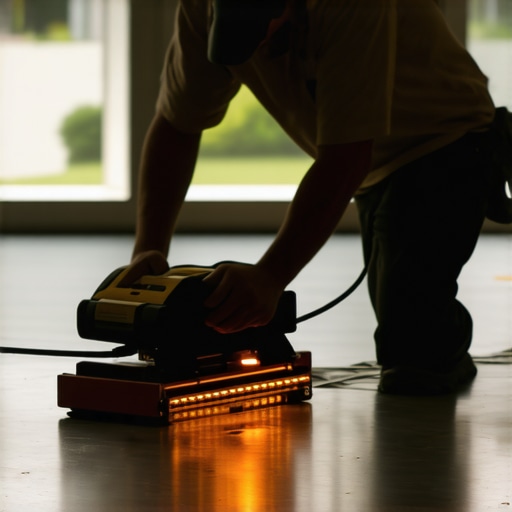
When preparing a surface before applying finish, I turn to my trusted orbital sander. The Festool ETS EC 150/3 not only provides consistent results with minimal swirl marks but also features dust collection that keeps the workspace cleaner—a significant advantage when working indoors. Proper sanding ensures a smooth finish and helps the new coating adhere better, extending the life of your floor.
How do I maintain hardwood floors over time? Regular upkeep is key. I use a microfiber mop and a specialized hardwood floor cleaner, like Bona Hardwood Floor Cleaner, to remove dirt without stripping the finish. For high-traffic areas, applying a self-adhesive, scuff-proof finish, such as those discussed in this guide, can provide extra resistance and ease maintenance.
Looking ahead, automation and smart tools are set to revolutionize flooring maintenance. Automated floor scrubbers with AI-powered sensors can detect areas needing additional cleaning or refinishing, ensuring your floors stay flawless with minimal effort.
What should you consider for long-term flooring maintenance?
Implementing a routine that includes regular cleaning, prompt repair of scratches or dents, and periodic refinishing can keep your floors looking pristine for years. Also, pay attention to environmental factors—controlling humidity levels prevents wood from expanding or contracting, which is vital for hardwood longevity. For detailed strategies, review this article.
Finally, I encourage you to try advanced techniques like incorporating a laser level to identify uneven spots before installation or refinish work. These tools are invaluable for achieving professional results, especially when scaling up projects or tackling challenging surfaces. Remember, investing in proper tools and maintenance practices pays off by saving time and ensuring your flooring remains a stunning feature of your home.
Ready to elevate your flooring game? Consider upgrading to a laser-guided leveling system—it’s a game-changer for long-term durability and aesthetic appeal, as detailed in this resource—and enjoy professional-grade results with confidence.
Uncovering the Unexpected Challenges
One of the most eye-opening lessons I learned was that even small imperfections in subfloor preparation ripple into big issues like tile lippage or squeaky floorboards. The time and effort spent correcting these mistakes later could have been avoided with thorough initial inspections. Trust me, investing in a laser-guided level and testing tools early on saved me countless headaches and repairs down the line.
The Power of the Right Tools in Your Arsenal
I used to rely on basic hand tools, but discovering high-quality equipment like a self-leveling laser and dustless sanders transformed my approach. These tools not only made the process more precise but also faster and less messy—turning a daunting project into a manageable task. The investment in these quality tools proved invaluable for achieving a professional finish that lasts.
Patience Deepens the Appreciation of Quality Results
Rushing through applying finishes or letting adhesives cure prematurely compromised my results. The aha moment came when I realized that patience is an essential part of quality craftsmanship. Giving coatings time to cure and finishes to set ensures longevity and smoothness, leading to floors that stand the test of time and traffic. Every minute spent waiting pays off with a superior, durable surface.
Curated Resources for Flooring Mastery
My go-to resource remains Mastering Hardwood Floor Refinishing — it’s packed with expert tips that elevate DIY projects from average to exceptional. For precise leveling techniques, I keep this comprehensive guide bookmarked. Additionally, this article offers invaluable advice on maintaining the beauty of floors over time, ensuring your hard work endures.
Your Next Step Toward Better Floors
Remember, the journey to beautiful, durable flooring starts with awareness and the willingness to learn from past mistakes. Embrace the tools, lessons, and patience necessary to master your flooring project. Every successful step boosts your confidence and brings you closer to transforming your space into a showcase of craftsmanship. Why not take that first step today — your floors will thank you!