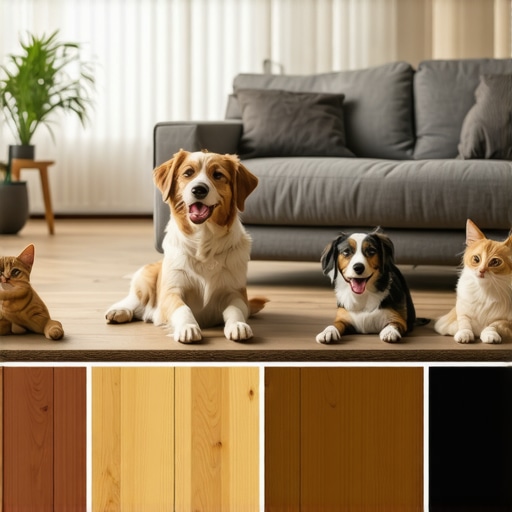
I’ll never forget the moment I spilled red wine on my freshly refinished hardwood floor—my rescue pup’s unexpected dash ended with a stain that seemed impossible to remove. It was a lightbulb moment for me: choosing the right stain isn’t just about aesthetics; it’s about harmony with our pets and the environment. As a homeowner passionate about renovation, I learned the hard way that low-VOC stains matter more than ever, especially with the rise of pet-friendly living spaces in 2026.
Why the Buzz About Low-VOC Hardwood Stains?
In recent years, awareness around indoor air quality has skyrocketed. Traditional stains can release volatile organic compounds (VOCs), which are linked to health issues for both humans and our furry friends. With more families adopting pets during the pandemic and prioritizing eco-friendly options, the demand for pet-safe, low-VOC hardwood stains has surged.
Early in my renovation journey, I made a rookie mistake: applying a popular, inexpensive stain without checking its VOC content. The sweet smell turned sour after a few days, and my dog started scratching more than usual. That experience taught me an essential lesson—being informed about product safety isn’t just smart; it’s necessary. To help you avoid similar pitfalls, I’ll guide you through the top low-VOC options for 2026, balancing safety, durability, and style.
Is All Low-VOC Really Safe for Pets?
It’s common to assume that low-VOC products are automatically pet-safe. However, some formulations still contain trace chemicals that can irritate sensitive noses and paws. Always check for certifications like GREENGUARD Gold or CARB compliance. My mistake early on was trusting superficial labels—diligent research is your best friend here. For a comprehensive list of vetted products, visit reputable sources and read reviews from fellow homeowners who share your priorities.
Next, let’s explore the best strategies for applying these stains effectively, ensuring your floors are not only beautiful but also safe for your beloved pets and family members.
,
Prep Your Surface for a Flawless Finish
Start by thoroughly cleaning your hardwood surface to remove dust, grease, and residues that can interfere with stain adhesion. Use a vacuum and a damp cloth, then ensure the floor is completely dry before proceeding. Check for any uneven areas or scratches, as these can impact stain absorption and appearance. Sand any imperfections with fine-grit sandpaper and vacuum again.
Test Stains Before Committing
Choose a small, inconspicuous area to apply your selected low-VOC stain. This micro-test reveals how the stain interacts with your wood type and existing finish. Wait for it to dry completely—sometimes up to 48 hours—before evaluating the color and safety for pets. Doing this prevents surprises after full application, saving time and effort. For detailed testing techniques, consult this guide.
Use Proper Application Tools for a Smooth Finish
Apply the stain with a high-quality brush or foam applicator, which provides better control and minimizes streaks. Dip lightly to avoid over-saturating the wood, and work in manageable sections to ensure even coverage. Use a rag or sponge for techniques like wiping or blending in difficult corners. Practice on scrap wood to perfect your technique. Consistency here prevents uneven patches that can be harsh for pets’ paws.
Layer the Stain in Thin, Even Coats
Apply multiple thin coats rather than a single heavy layer. Wait for each coat to dry thoroughly—typically 2-4 hours—before adding the next. This approach ensures better color depth and reduces VOC emissions over time. For a detailed timeline and environmental tips, visit this resource. I recall a time I hastily applied a thick coat, which led to uneven drying, sticky patches, and an unpleasant smell lingering for days—lesson learned the hard way.
Allow Adequate Curing for Pet Safety
After applying the final coat, give the stain ample time to cure—usually 72 hours—before allowing pets or heavy foot traffic. Proper curing ensures VOCs dissipate completely, reducing irritation risks. Keep pets off the floor during this period, and ventilate the area well. This patience pays off with a smooth, durable finish that’s safe for everyone at home.
Maintain and Refurbish Safely
Regular cleaning with non-toxic, low-VOC floor cleaners extends your finish’s lifespan. When touch-up is necessary, use the same pet-safe stains, following manufacturer instructions meticulously. For even longer-lasting results, consider protective finishes like matte or satin polyurethane that are also eco-friendly and pet-friendly. Staying proactive keeps your floors looking great without compromising your pet’s health.
Many homeowners and even seasoned renovators often believe they’ve mastered the basics of hardwood flooring and tile installation. However, beneath the surface lie common misconceptions that can lead to costly mistakes and imperfect results. Let’s dig deeper into some misconceptions and advanced pitfalls that often trip up even experienced DIYers, so you can avoid these pitfalls and achieve professional-quality results.
Are All Floor Leveling Techniques Created Equal?
It’s a widespread belief that using self-leveling compounds guarantees a perfectly flat surface. While these products are incredibly useful, they’re not foolproof. Many overlook the importance of proper subfloor prep, moisture testing, and the right application technique. A common trap is over-relying on leveling compounds without inspecting the existing floor integrity or addressing moisture issues, which can cause future warping or cracking. To truly master this, it’s essential to understand the nuances of subfloor assessment and select the appropriate leveling method for your specific situation. For expert guidance, check out this comprehensive guide.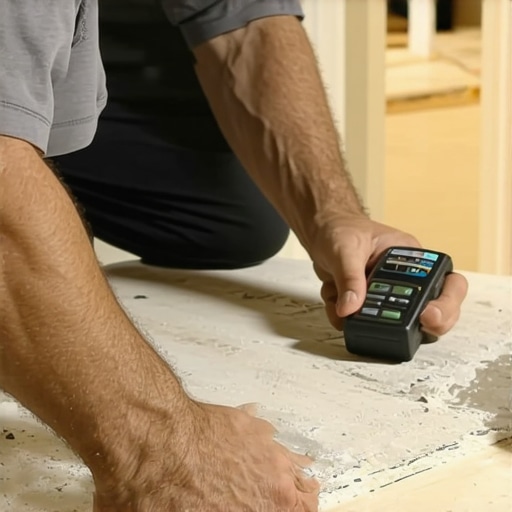
Should you always install hardwood over a perfectly flat surface? Not necessarily. Minor imperfections can sometimes be accommodated with proper acclimation and delicate sanding, but significant unevenness demands attention. Installing over a bumpy subfloor can cause subpar adhesion, squeaks, and uneven wear. Moreover, ignoring small movement gaps can lead to long-term durability issues. The key lies in thorough surface preparation and selecting the right subfloor reinforcement strategies, as detailed in this article.
Advanced installers often detect subtle movement or moisture issues by conducting specific tests before laying new flooring, not just relying on visual inspection. Reinforcing weak spots or addressing moisture problems early prevents future headaches.
What Might Go Wrong When Tiling or Flooring in Humid Environments?
One of the most overlooked aspects is choosing the right materials and installation techniques for high-humidity spaces. Believing that standard adhesives and grouts work equally well everywhere can lead to cracks, tiles popping, or a slick surface that’s unsafe. For example, in bathrooms or basements, moisture infiltration is inevitable. Failing to incorporate waterproof membranes, proper expansion joints, or selecting moisture-resistant tiles can result in costly repairs. To ensure longevity, it’s crucial to adapt your installation approach to environmental conditions. You can find valuable tips in this resource.
Have you ever fallen into this trap? Let me know in the comments. Mastering these nuances means understanding the complexities behind what seems like simple surface work. Be proactive: inspecting, testing, and choosing the right materials for each unique setting will save you time and money—and keep your floors looking flawless for years to come.
Keeping It Working: Essential Tools for Flooring Longevity
Investing in high-quality tools makes a tangible difference in your flooring projects’ durability and aesthetic. Personally, I rely on a calibrated laser level, like the Bosch GSL2 Professional Spirit Level, for ensuring a perfectly flat subfloor before installation—it’s precise down to 1/16 inch and saves me countless hours of correction later. For hand sanding, I recommend the Mirka DEROS 5650CV, which offers variable speed control and produces minimal dust, making the process cleaner and more controlled. When applying floor leveling compounds, I swear by a mixing paddle with an adjustable arm—this helps achieve a consistent mixture without clumping, vital for seamless results and long-term stability.
Moreover, moisture meters such as the Protimeter Surveymaster provide critical readings to prevent moisture-related issues that can cause future buckling or cracking. Regularly monitoring moisture levels isn’t just for installation day; it should be part of routine maintenance, especially in climates prone to humidity fluctuations. To stay ahead of potential problems, consider investing in a thermal imaging camera; spotting irregular heat signatures can help identify moisture intrusion behind walls or beneath flooring, averting costly repairs down the line.
Streamlining Long-Term Results with Expert Techniques
Maintaining your floors isn’t a matter of occasional cleaning—it’s about proactive care. Using a microfiber mop combined with a pH-neutral, low-VOC cleaner like Earth’s Dream Green Floor Cleaner keeps your hardwood looking shiny and prevents buildup that can trap dirt or foster mold growth. For tiles, sealing grout lines annually with breathable, water-repellent sealants prevents staining and deterioration, especially in high-moisture zones. I recommend the Honcho Grout Sealer; it’s easy to apply and offers reliable, long-lasting protection.
When it comes to scaling your flooring projects, the key is precision and planning. For larger areas, modular flooring systems with interlocking planks or tiles can dramatically speed up installation without sacrificing quality. For hardwood floors, engineered options offer enhanced stability in variable climates—an increasingly valuable trait as climate unpredictability rises in 2026. Staying updated with the latest techniques, such as precise subfloor reinforcement, can be facilitated by consulting this guide.
How do I maintain my floors over time?
Understanding the specific needs of your flooring material is essential. Regular inspections for signs of wear or damage can prevent minor issues from escalating. For hardwood, refinishing every 7-10 years using a dustless sanding process keeps surfaces smooth and vibrant, reducing the risk of splinters or finish peeling. Tile floors benefit from periodic grouting updates and crack repairs—using epoxy grout for high-traffic or moisture-prone areas ensures longevity. Additionally, consider installing soft, underlayments like QuietWalk Plus in multi-story homes; this reduces noise and provides extra cushioning, prolonging the lifespan of your floors.
Predicting the future, I believe remodeling technologies will increasingly incorporate smart sensors that monitor moisture, temperature, and wear—providing real-time alerts to homeowners. Adapting to these innovations will help you stay ahead, ensuring your floors serve well into 2026 and beyond. Ready to elevate your maintenance game? Try out that laser level and monitor your subfloor moisture regularly; these small steps yield big dividends in flooring longevity.
What the Hardest Lesson Taught Me About Pet-Safe Flooring
One of my biggest revelations was realizing that not all low-VOC stains are inherently pet-safe—many still harbor trace chemicals that can irritate sensitive pets. This taught me to scrutinize certifications like GREENGUARD Gold rather than relying solely on labels.
Another lesson was understanding the importance of patience. Waiting the full curing time before allowing pets on the floor is essential—rushing this step can lead to damage and health issues down the line.
Lastly, I learned that surface prep is everything. Skipping thorough cleaning or proper sanding might seem minor but can cause uneven stain absorption, which impacts both aesthetics and safety for pets’ paws.
My Go-To Tools and Resources for Pet-Friendlier Floors
I trust the precise floor leveling techniques guide to ensure my subfloors are flawless before staining—prevents future mishaps. My laser level from Bosch keeps subfloors flat, and a good moisture meter like the Protimeter Surveymaster helps detect hidden issues early. For maintaining the finish, I swear by eco-friendly cleaners such as Earth’s Dream Green Floor Cleaner—gentle yet effective for ongoing care.
Each of these tools and resources has profoundly impacted my approach, saving me time and ensuring my pet-friendly hardwood floors are safe, durable, and beautiful over the long haul.
Step Into Your Flooring Journey with Confidence
Embarking on your pet-safe hardwood flooring project can feel daunting, but remember, every expert started with a single step. With the right knowledge, patience, and tools, you’re capable of creating a space that’s both stunning and safe for your furry friends. Keep learning, stay proactive, and enjoy the transformation—your home and pets will thank you.
Have you ever faced a challenge with choosing or applying pet-friendly stains? Share your experience below and let’s learn together.