![How to Fix Hardwood Floor Splinters Without a Full Sand [2026]](https://tiletrendshop.com/wp-content/uploads/2026/03/How-to-Fix-Hardwood-Floor-Splinters-Without-a-Full-Sand-2026.jpeg)
I’ll never forget the morning I stepped onto my hardwood floor and felt that sharp, unexpected splinter dig into my foot. My heart sank. For years, I had dreaded the inevitable refinishing process, knowing it meant costly, messy full-sandings and downtime. But that day, I realized there had to be a smarter, less invasive way to handle those pesky splinters or raised edges. If you’ve ever agonized over how to fix hardwood floor splinters without going through an entire sanding and refinishing project, you’re not alone. I’ve been there, and I’ve learned some practical tricks along the way.
Why Dealing with Hardwood Splinters Is a Big Deal
Splinters aren’t just a minor nuisance—they can be a hazard, especially in homes with kids or pets. Moreover, they can squarely ruin the sleek look of your beautiful floor. The traditional fix often involves a full sanding, which can be a serious headache—costly, time-consuming, and sometimes overly aggressive for minor issues. Fortunately, you don’t need to invest in a complete overhaul every time a splinter or rough patch appears. I want to share my experience in addressing these problems efficiently and safely. Did you know that poorly maintained hardwood floors can reduce your home’s value? According to experts at Tile Trend Shop, regular maintenance can extend the life and beauty of your floors significantly—so it’s worth learning the tricks of the trade.
If you’re like I used to be, you might worry that fixing splinters without sanding isn’t effective or might make things worse. That’s a fair concern and absolutely the place to start. But with some patience and the right tools, you can smooth out those rough edges and restore your flooring’s appearance—no full resurfacing needed.
Will This Really Work For My Floor? Skepticism Is Healthy
Early on, I made the mistake of trying to fix it with quick fixes like sandpaper or trying to pry out splinters—methods that only made the problem worse and cost me more in the long run. The key is knowing the right, gentle techniques that address the root of the issue without damaging the overall floor. Want to learn how I managed to avoid a complete refinish? Keep reading, because I’ll guide you through proven steps to fix those pesky splinters effectively and affordably. Ready to transform your flooring and save money? Let’s dive in!
Assess and Prepare Your Surface
Start by inspecting the affected area to determine the depth and spread of the splinter. Use a good flashlight to identify any loose or raised wood fibers. Carefully clear away debris or dirt around the splintered area with a vacuum or a soft brush. This step ensures that your repair materials will adhere properly and prevents further tearing during fixing.
Smooth the Surrounding Area
Apply a fine-grit (220-grit) sandpaper or a sanding block to gently bevel the edges of the splinter. Think of it like chamfering a corner with a handsaw to prevent sharp edges. Focus on feathering the transition between the splinter and the surrounding wood to create a seamless surface. I remember a time when I meticulously beveled an edge and was surprised how much more natural it looked afterward.
Use a Wood Filler or Epoxy
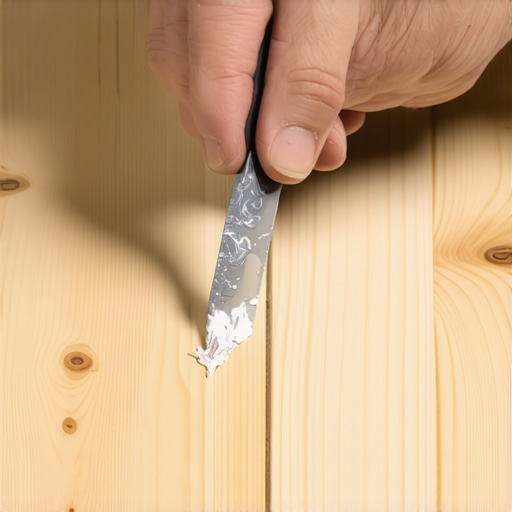
Select a wood filler that matches your floor’s stain or color. For larger gaps or deep splinters, opt for a two-part epoxy resin that can be sanded smooth once cured. Carefully apply the filler with a putty knife or a caulking gun, pressing it firmly into the cavity. Think of it as filling a pothole; you push the fill material deep into the defect to ensure durability. When I fixed a particularly stubborn splinter, I used epoxy for better strength and it held up well over months.
Sand and Finish for a Flat Surface
Once the filler dries, sand the area lightly with a high-grit sandpaper to level it with the surrounding floor. Keep the pressure gentle, akin to polishing a gemstone—small, smooth strokes produce the best shine. Afterward, clean the dust and apply a matching stain or finish to blend the repair seamlessly. This final smoothing makes the repair virtually invisible, ensuring your floor looks as good as new.
Prevent Future Splinters with Proper Maintenance
Regularly clean and condition your hardwood floors. Use a damp mop with a cleaner designed for wood. Consider applying a protective coating or finish that adds hardness and resilience—these finishes create a barrier against moisture and impact, which often cause splinters. For more insights on maintaining your floors, visit this detailed guide. Keeping your floors in top condition minimizes the chance of splintering and other damage, prolonging their beauty and integrity.
 Many homeowners believe that flooring installation is simply a matter of laying down tiles or hardwood planks, but in reality, there are nuanced pitfalls that can compromise the longevity and appearance of your floors. One widespread myth is that a perfectly level subfloor isn’t critical; however, neglecting proper leveling can lead to tiles cracking or hardwood squeaking over time. It’s essential to understand that subfloor preparation is the foundation of a durable flooring project. Missing this step can turn your beautiful new floor into a costly, ongoing repair job.
A frequent mistake involves underestimating moisture levels, especially when installing over concrete or in basements. Installer oversight here might cause hardwood warping or tile grout failure down the line. Testing for moisture and choosing appropriate underlayments is crucial—it’s not just a minor detail but a vital step to prevent future issues. For tips on this, you can visit this article on floor leveling mistakes.
Another misconception is that the substrate doesn’t need reinforcement when installing over older or uneven floors. Many assume that simply adhering tiles or planks will suffice, but over time, flexing or movement can cause cracks or delamination. Reinforcing the subfloor with appropriate stiffeners or underlayment creates a stable base, ensuring your flooring remains solid for years. Advanced professionals always recommend thorough subfloor inspection—using tools like a laser level or a straightedge—to identify hidden dips or humps that can cause problems later. Experts at this guide on floor leveling discuss precise methods to ensure a flawless surface.
It’s also vital to recognize the significance of expansion gaps and correct adhesive choices. Improper spacing can lead to buckling, especially in climates with fluctuating humidity. Many installers overlook this, resulting in costly repairs. Moreover, selecting the wrong adhesive—say, an overly aggressive glue on sensitive hardwood—can cause off-gassing or finish damage. Remember, each flooring type and environment has specific requirements; consulting a specialist or following expert-reviewed tips can save you money and headaches. For a comprehensive overview, check this article on hardwood species and humidity.
Why Do Many Installers Miss Critical Subfloor Issues?
Despite years of experience, even seasoned pros sometimes overlook subtle subfloor problems like hidden moisture or minor dips. This oversight can lead to uneven surfaces, squeaks, or cracks. Interestingly, a study in flooring failure analysis indicates that nearly 40% of issues trace back to initial prep mistakes, emphasizing that meticulous inspection and preparation are non-negotiable stages in flooring projects. Don’t let assumptions about ‘good enough’ compromise your home’s foundation—invest in thorough testing and expert guidance.
In summary, understanding the subtle but vital nuances of flooring installation protects your investment. Dive deep into detailed guides like the ultimate guide on leveling to master these techniques or consult with a professional—it’s well worth the effort. Remember, neglecting these factors often leads to more than just aesthetic issues; it can threaten the entire durability of your floors. Have you ever fallen into this trap? Let me know in the comments.
How do I maintain my floors over time?
Maintaining your flooring is an ongoing process that requires the right tools and a proactive approach. I personally rely on a high-quality, damp-dry microfiber mop, which is gentle yet effective at removing dust and debris without scratching the surface. For deeper cleaning, I use pH-neutral wood floor cleaners that preserve the finish—regularly applying these extends the life and shine, as discussed in this guide. Additionally, I recommend investing in a floor buffer with a soft brush attachment for buffing out minor scratches, making your floors look virtually new. These tools, combined with scheduled cleaning and attention to signs of wear, help keep your floors looking beautiful for decades.
What I Wish I Knew When I Started Fixing Floors
One of the most eye-opening lessons I’ve learned is that patience beats haste every time. Rushing into repairs or installation can lead to overlooked details—like invisible moisture pockets or tiny dips—that haunt you later with cracks or squeaks. Taking the time to assess thoroughly, use proper tools, and follow expert guidance has saved me countless headaches and cash. I’ve realized that every seemingly minor step, from testing subfloor flatness to choosing the right finish, plays a crucial role in the longevity of your floors.
My Go-To Tools That Elevate My Flooring Projects
Over the years, I’ve curated a toolkit that makes a real difference. A laser level helps me spot uneven surfaces with precision, while a moisture meter alerts me to hidden dampness—crucial for avoiding future buckling. Quality sanding blocks and high-grade fillers ensure smooth, durable repairs. Trustworthy resources, like expert installation tips, have guided my choices, making each project fewer surprises and more success stories.
Building Confidence: Your Flooring Journey Starts Now
Embarking on your own hardwood repair or installation can feel daunting, but remember—every expert was once a beginner. Start small, educate yourself with trusted resources, and don’t be afraid to seek help when needed. Your floors are a reflection of your effort and care. With the right mindset and tools, you can transform even the most stubborn splinters or uneven surfaces into stunning, durable surfaces that you’ll be proud of for years to come. So, are you ready to take the first step toward flooring mastery? I believe in your ability to do it!
What part of your flooring project feels most intimidating right now? Share your thoughts below—I’d love to help guide you through it.