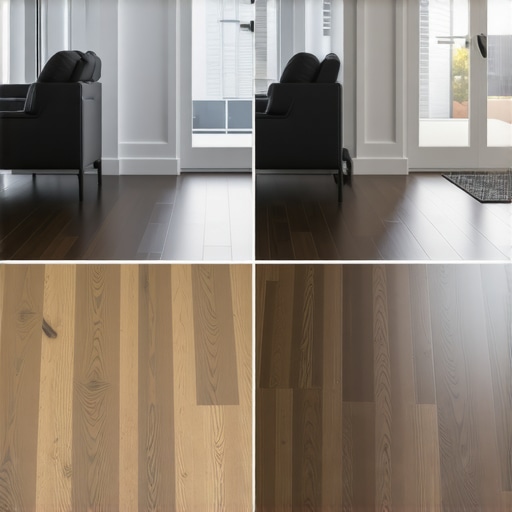
I remember the first time I installed dark hardwood floors in my home. The rich, deep tones looked stunning in the showroom light, but within a few months, I started noticing scratches, dull spots, and a faint grayish hue that just wouldn’t go away. It was a lightbulb moment for me—what seemed like a timeless choice was turning into a maintenance nightmare.
Ever felt that sinking feeling when your beautiful wooden floors begin to show signs of wear too soon? You’re not alone. Many homeowners love the elegance of dark hardwood, yet wonder if it’s still a smart move for future-proofing their homes. As I dove into researching flooring trends for 2026, I realized that not all hardwood is created equal—especially when it comes to durability.
The big question remains: Is dark hardwood truly out of fashion, or just in need of a smarter, more durable approach? The answer hinges on understanding how various flooring materials hold up over time, especially as homes get smarter and more active. Today, I want to share the insights I’ve gathered from three key durability tests that can help you decide whether dark hardwood still makes sense for your space.
But before we jump into the nitty-gritty, let’s talk about a common mistake I made early on—assuming that all hardwood finishes age the same way. From ignoring subfloor conditions to choosing the wrong sealant, these oversights can turn a gorgeous floor into a source of frustration. To avoid this, I recommend checking out expert techniques on [floor leveling](https://tiletrendshop.com/the-ultimate-guide-to-floor-leveling-for-a-perfect-finish) and [hardwood floor care](https://tiletrendshop.com/hardwood-floor-care-secrets-to-longevity-and-shine) that are vital for longevity.
Now, if you’ve faced the dilemma of choosing durable yet stylish flooring, you’re in the right place. Let’s explore the tests that will reveal whether dark hardwood stands the test of time in homes of 2026 and beyond.
Prepare the Subfloor for Success
Start by inspecting your subfloor meticulously. Use a straightedge to identify any dips or humps. If you find irregularities, employ the [floor leveling](https://tiletrendshop.com/the-ultimate-guide-to-floor-leveling-for-a-perfect-finish) technique, which involves applying a self-leveling compound to create a flat foundation. During my last project, I poured the compound in sections, then used a gauge rake to spread it evenly, resulting in a pristine surface that prevented future unevenness.
Ensure Proper Subfloor Moisture Content
Test for moisture using a reliable meter. Dark woods are particularly sensitive to moisture fluctuations, which cause cupping or buckling. I once overlooked this step, leading to a costly redo when my floors warped after installation. To prevent this, perform moisture tests on both the subfloor and the hardwood planks; keep readings below manufacturer-recommended thresholds. For more guidance, see the [moisture testing](https://tiletrendshop.com/4-subfloor-moisture-tests-to-save-your-2026-hardwood) tips.
Select Optimal Hardwood and Finish Materials
Choosing the right hardwood species and finish is crucial. Opt for species like white oak that are known for durability and minimal warping. When selecting a finish, prioritize UV-resistant and scratch-resistant options—these prolong the aesthetic appeal of dark floors. I experimented with a UV-resistant finish, which significantly slowed down the graying process I feared would occur over time. Visit [hardwood flooring guidance](https://tiletrendshop.com/elevate-your-space-choosing-the-right-hardwood-floors-for-your-home) to make informed choices.
Install with Precision and Care
Lay the planks carefully, ensuring tight joints and correct expansion gaps. Use spacers to maintain a consistent gap around the perimeter, accommodating wood expansion. I once tried to rush the installation without proper spacing—resulting in buckling after a few months. To see detailed strategies, check [installation tips](https://tiletrendshop.com/revamp-your-home-with-expert-flooring-installation-tips).
Perform a Final Inspection and Maintenance Plan
After installation, inspect for any gaps or uneven seams. Use a tapping block and hammer for minor adjustments. Establish a maintenance routine that includes regular cleaning with non-abrasive products and applying [hardwood care](https://tiletrendshop.com/hardwood-floor-care-secrets-to-longevity-and-shine). In my experience, consistent upkeep extends the lifespan of dark hardwoods, keeping them vibrant and scratch-free long into the future.
Many homeowners believe that choosing the right flooring material is all about aesthetics and initial cost, but the real secret to lasting floors lies beneath the surface. One prevalent myth is that if the surface looks perfect after installation, the job is done; however, overlooked nuances like subfloor preparation can lead to costly failures down the line. For instance, improper leveling is a silent culprit behind cracked tiles and squeaky hardwoods, which often goes unnoticed until significant damage occurs. In fact, recent studies highlight that up to 80% of flooring problems stem from poor subfloor stability and moisture imbalance, rather than the flooring material itself.
Why Do So Many Get Floor Leveling Wrong, Despite Clear Guidelines?
Because many assume that standard leveling methods are sufficient, they ignore the importance of precise techniques tailored to specific subfloor conditions. For example, using conventional self-leveling compounds without assessing porosity or moisture content can cause de-lamination or future cracks. Advanced practices involve testing subfloor porosity and moisture early, then applying specialized leveling compounds designed for those conditions, as detailed in expert guides. Moreover, precision in measurement tools like laser levels ensures uniformity over large areas, reducing the risk of uneven surfaces.
Don’t fall prey to these common pitfalls. Always verify that your subfloor is flat within 3/16 inch over 10 feet, and consider consulting professionals for complex scenarios. A little extra effort upfront can save you from extensive repairs and renovations later. Want to learn more about mastering these nuances? Check out [expert flooring leveling techniques](https://tiletrendshop.com/expert-hardwood-flooring-installation-leveling-strategies-for-lasting-beauty) to guarantee flawless results.
Another trap many fall into involves the choice of finishes and sealants. Opting for cheaper, non-UV-resistant finishes might save money initially but will lead to faster wear and discoloration, especially in dark hardwoods and sun-exposed areas. Studies advocate investing in high-quality, specialized finishes to extend the lifespan and maintain aesthetic appeal. Additionally, paying attention to acclimation and humidity control during installation is critical; neglecting this can cause wood to expand or contract, leading to gaps or warping. For detailed tips on these advanced steps, visit [hardwood care secrets](https://tiletrendshop.com/hardwood-floor-care-secrets-to-longevity-and-shine).
In summary, successful flooring isn’t just about picking the right type—it’s about mastering the subtle nuances during preparation, installation, and finishing. Do you feel confident in your current approach, or have you encountered unexpected issues despite following best practices? Share your experience in the comments! Remember, meticulous attention to detail makes all the difference between a beautiful, durable floor and a recurring headache.Maintaining your flooring’s integrity over time demands the right tools and methods that align with best practices. One of my go-to devices is a high-precision moisture meter, like the Tramex CME4, which I use to monitor subfloor moisture levels before and after installation, ensuring optimal conditions that prevent warping or buckling. Accurate moisture detection is crucial, especially when working with hardwoods, as even minor variances can compromise long-term durability. Additionally, I rely on laser leveling systems such as the Bosch GSL2 to achieve flawlessly flat surfaces, which is vital for both tile and hardwood installations. These laser levels offer exceptional accuracy over large areas, reducing the risk of uneven seams and crests that could lead to premature wear. When it comes to surface preparation, an electric sander with variable speed settings helps me remove old finishes uniformly, preparing the surface for refinishing or new layers of sealant. For those looking to upgrade their toolkit, I recommend investing in a pneumatic brad nailer; it ensures tight joint fastening in hardwood flooring, which enhances stability and reduces squeaks over time.
Reflecting on my journey with hardwood flooring, I realize that the most profound lessons came from unforeseen challenges and subtle missteps. One lightbulb moment was understanding that proper subfloor preparation isn’t just a step—it’s the foundation for enduring beauty. Skipping this can turn a promising project into a costly headache, especially with the complexities of dark hardwoods that demand precision. Discovering that flatness and moisture control are critical has revolutionized my approach.
I’ve learned that delving into finishes with UV and scratch resistance can extend the life of dark hardwood floors significantly. It’s tempting to choose affordable options, but investing in quality isn’t just about aesthetics—it’s about resilience against the inevitable wear of daily life. In my experience, choosing species like white oak paired with strategic finishes saved me from future refinishing hassles. For a detailed dive, I recommend hardwood care techniques that make the difference.
One of the most eye-opening insights was learning that installation precision has a compounding effect. Small gaps or uneven joints may seem trivial but can lead to squeaks, gaps, or buckling, especially as humidity fluctuates. Using laser levels and professional-grade tools ensures that every plank aligns perfectly, preserving the integrity of dark finishes over time. For more on mastering installation, check out expert tips for flawless flooring.
The final piece of wisdom is perhaps the most personal—maintenance routines are not optional but essential. Regular cleaning with non-abrasive products combined with periodic refinishing preserves the rich hues and depth of dark hardwoods. I’ve seen how a little extra effort with proper care techniques prolongs the vibrancy and function of floors beyond initial expectations. Remember, the true secret isn’t just choosing the right hardwood but nurturing it every step of the way.
Lessons That Changed My Perspective on Flooring
- Subfloor stability and moisture control are silent heroes that prevent future problems and save money in the long run.
- High-quality finishes tailored for dark hardwoods can dramatically slow down aging and discoloration, making the investment worthwhile.
- Meticulous installation with precise tools leaves little room for error, ensuring longevity even in high-traffic zones.
- Regular maintenance routines, including proper cleaning and prompt refinishing, keep your floors looking stunning and vibrant.
My Go-To Tools and Trusted Guides for Hardwood Success
- Moisture meters like the Tramex CME4 have been game-changers for ensuring subfloor readiness—avoid warping or cupping by testing moisture early.
- Laser leveling systems such as the Bosch GSL2 help me achieve impeccably flat surfaces, critical for pairing with dark, reflective finishes.
- Quality finishes recommended by industry experts, especially UV- and scratch-resistant options, give me peace of mind knowing my floors will resist daily wear.
- My favorite resource remains comprehensive guides on floor leveling—they’ve saved me from pitfalls and elevated my craftsmanship.
Your Next Step Toward Flawless Floors
Embrace the precision, patience, and proactive maintenance that truly make hardwood floors stand the test of time. When you understand the details that go beyond aesthetics—the science of subfloor preparation, finishing, and upkeep—you’re not just installing floors; you’re crafting a legacy of elegance and durability. Ready to transform your space with confidence? Let’s make your next flooring project resilient and stunning. Have you faced challenges with subfloor prep or finish selection? Share your story below and let’s learn together!