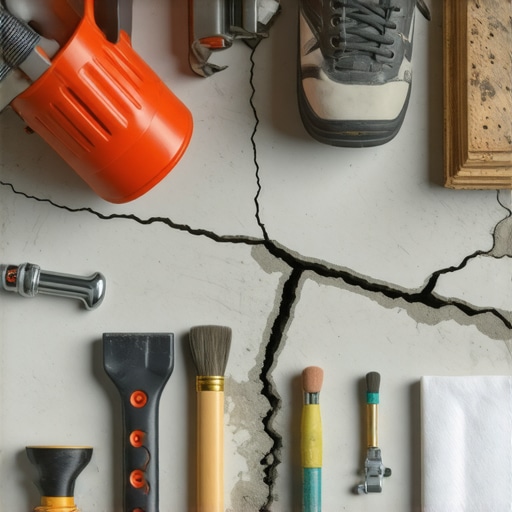
It was late one evening when I stepped onto my freshly installed self-leveling concrete floor, only to see hairline cracks spidering across its surface. My heart sank. After pouring my time and money into achieving a flawless finish, I was faced with the reality that cracks had appeared out of nowhere. That lightbulb moment made me realize how common and yet preventable these issues are.
In this article, I’m going to share the three main reasons why your self-leveling concrete might be cracking in 2026—and, more importantly, how you can avoid these pitfalls. Whether you’re a seasoned DIYer or just starting your renovation journey, understanding these causes can save you a lot of frustration and costly repairs.
Why the Cracks Are Happening Now
The truth is, cracks in self-leveling concrete are often the result of overlooked details or misconceptions that are still widespread. For example, I once assumed that proper mixing alone guaranteed a long-lasting surface. I didn’t realize that ambient temperature during curing, moisture levels, and substrate stability could make or break the project.
Cracking is more than just an aesthetic issue; it can compromise the integrity of your entire flooring system. According to industry experts, improper preparation and application are among the top causes of early cracks, which sometimes become major issues over time. It’s essential to recognize that these problems aren’t inevitable if you follow the right steps.
Are you noticing small cracks or uneven surfaces in your flooring? If so, you’re not alone, and there are clear ways to prevent this from happening in the future. We’ll explore the detailed reasons behind these common issues and how to address them.
Is Self-Leveling Concrete Worth the Effort in 2026?
Many skeptics question whether investing time and money into self-leveling solutions is justified, especially considering these cracking issues. My early mistake was dismissing proper curing techniques, thinking my mix was good enough. This oversight cost me dearly.
Fortunately, by learning from that mistake and focusing on proper surface prep and application, I was able to improve my results significantly. For an in-depth understanding of the best practices, I recommend checking experts’ tips on [floor leveling techniques](https://tiletrendshop.com/precise-floor-leveling-techniques-to-achieve-flawless-surfaces). Getting these fundamentals right can make all the difference.
Now that we’ve established the importance of understanding these causes, let’s move on to the practical strategies to keep your concrete crack-free and durable for years to come.
Prepare the Substrate Correctly
Begin by thoroughly cleaning and inspecting your subfloor. Remove any debris, loose materials, or contaminants that could weaken the surface. Use a reputable primer if necessary to enhance adhesion. Remember, a stable foundation is crucial—think of it as building a house on solid ground, similar to how proper [floor leveling techniques](https://tiletrendshop.com/precise-floor-leveling-techniques-to-achieve-flawless-surfaces) lay the groundwork for success.
Apply a Primer for Better Bonding
Prior to pouring self-leveling concrete, applying an appropriate primer ensures better bonding between the new layer and the existing substrate. My experience taught me that skipping this step led to superficial bonding issues, which eventually caused cracks. Use a primer suited for your substrate type, and don’t rush this step; it often determines the durability of your floor.
Mix Materials Precisely
Mix your self-leveling compound according to the manufacturer’s instructions. Use a clean, calibrated mixing tool to avoid inconsistencies. I remember my early attempt—overmixing resulted in air bubbles, creating weak spots that cracked later. A steady, thorough mix helps achieve a uniform surface, similar to carefully blending ingredients for a perfect recipe.
Control Environment During Application
Maintain optimal temperature and humidity in the room. Sudden temperature shifts or high humidity can slow curing and induce cracks. I once worked on a chilly evening; the concrete hadn’t cured properly, and cracks started forming within days. Use heaters or humidifiers if needed, and avoid pouring in extreme conditions. For detailed temperature guidelines, consult [expert flooring installation tips](https://tiletrendshop.com/revamp-your-home-with-expert-flooring-installation-tips).
Pour and Level with Care
Pour the mixture in manageable sections, and spread it evenly using a squeegee or trowel. Think of this like spreading frosting smoothly over a cake—patience is key. Use a gauge rake to control thickness, ensuring a uniform layer. Personally, I found working in smaller areas allowed for more precise leveling, eliminating the common issue of thin edges and uneven surfaces. For technique tips, see [mastering floor leveling](https://tiletrendshop.com/mastering-hardwood-floor-refinishing-expert-tips-for-2025).
Allow Proper Curing Time
Let the floor cure undisturbed for the recommended period before walking or laying tiles. Rushing this step is a surefire way to induce cracks later. I learned this the hard way when I started walking on a fresh pour too early, leading to surface imperfections. Covering the surface with plastic sheeting can help maintain moisture and temperature consistency, enhancing strength and crack resistance. For curing tips, explore [hardwood floorcare secrets](https://tiletrendshop.com/hardwood-floor-care-secrets-to-longevity-and-shine).Many homeowners and even seasoned professionals are surprised to learn that the most common misconceptions about flooring installation are often traps that lead to costly mistakes. For instance, a widespread belief is that choosing the thickest underlayment guarantees a perfectly flat surface. However, without proper substrate preparation and understanding of material properties, this approach can backfire, resulting in uneven floors or cracking. In my experience, trusting generic solutions over tailored, expert advice often delays the project and inflates expenses. One critical nuance often overlooked is the importance of substrate consistency; irregularities in the subfloor can cause uneven settling and lead to future tiles cracking or hardwood gaps forming. This is why thorough substrate assessment and leveling are essential steps, as highlighted in expert guides on [floor leveling techniques](https://tiletrendshop.com/precise-floor-leveling-techniques-to-achieve-flawless-surfaces). Another common myth is that all adhesives work equally well across different materials. In reality, using the wrong type or applying insufficient adhesive can jeopardize the bonding strength, especially with heavy tiles or hardwood over concrete. Advanced installers select specific, high-quality adhesives and primer systems designed for their materials, following detailed protocols to ensure durability. Overlooking environmental conditions during installation is also a trap. Many neglect the significance of temperature and humidity control, which can significantly influence curing times and adhesion quality. This mistake often manifests months later as buckling or warping, especially in climates with extreme weather fluctuations. Industry studies indicate that proper environmental controls during installation can extend flooring lifespan by up to 30%. Don’t underestimate the subtleties—such as substrate moisture levels, proper mixing ratios, and curing conditions—that can dramatically impact your project’s success. Let’s not forget the importance of mastering the details, like perfectly matching grout colors or choosing the right finish for hardwoods, which can elevate your results from good to exceptional. For example, a well-sealed hardwood floor with proper maintenance can last decades, as detailed in [hardwood floor care secrets](https://tiletrendshop.com/hardwood-floor-care-secrets-to-longevity-and-shine). Remember, rushing the prep or choosing shortcuts might seem tempting but often lead to regrets. The key is to follow proven strategies, pay attention to nuance, and stay informed with expert insights. Have you ever fallen into this trap? Let me know in the comments!
Invest in Quality Tools for Lasting Results
Using the right equipment makes all the difference in flooring installation and maintenance. I personally swear by a high-grade laser level from DEWALT for precise subfloor assessments—nothing beats its accuracy and ease of use when leveling large areas to prevent future cracks or uneven surfaces. For smoothing and finishing surfaces, a quality trowel with a flexible blade ensures consistent application of adhesives and leveling compounds, reducing the risk of air pockets or weak spots. When dealing with hardwood refinishing, a drum sander from Festool offers superior control and dust collection, enabling a clean, professional finish that lasts for decades. Incorporating these tools into your routine saves time and greatly enhances durability, aligning with industry best practices outlined in hardwood floor longevity guides.
Master the Art of Routine Maintenance
Proper, ongoing maintenance extends the lifespan of your flooring considerably. For hardwood floors, regular dust mopping with microfiber pads prevents grit buildup that can scratch surfaces over time. Use a wood-friendly cleaner, like the ones recommended in hardwood floor care secrets, to protect the finish. In high-traffic areas, applying a fresh coat of polyurethane every few years preserves the protective layer. Tile floors demand attention to grout lines—so seal them annually with a high-quality grout sealer to prevent moisture intrusion and staining. I suggest setting a maintenance schedule that includes these steps; it’s an affordable way to prevent costly repairs later and maintains an elegant appearance for years. Moreover, periodically inspecting your subfloor for signs of movement or moisture issues allows early intervention—keeping your foundation solid and your floors crack-free. For ongoing upkeep, adopting tools like a digital moisture meter can help detect potential issues before they become problems, as detailed in expert installation resources.
How do I maintain the integrity of my flooring over time?
Regular inspections, prompt repairs, and following a disciplined cleaning regimen are essential. Implementing a preventive maintenance routine—such as using felt pads under furniture and avoiding excessive water—protects your investment and avoids uneven settling or moisture damage. Additionally, scheduling professional assessments annually can catch early signs of shifting or cracking, allowing you to address issues proactively. With these practices, your floors will continue to showcase their beauty and durability long into the future. For more detailed tips, consult comprehensive guides on flooring maintenance. Try integrating a laser level check every six months—to ensure your subfloor remains true and your surface stays flawless, saving you from future headaches and costly repairs.
The Hardest Lesson I Learned About Hardwood Floors and Floor Leveling
Initially, I believed that following basic instructions guaranteed flawless results. My lightbulb moment came when I realized that subtle substrate imperfections, often overlooked, could cause long-term cracks. Understanding that meticulous substrate preparation is more valuable than just mixing the right materials changed my approach entirely.
What No One Tells You About DIY Floor Installation
Many assume that cost-saving shortcuts won’t impact durability. I found that investing in quality tools, like a laser level, not only saves time but significantly enhances outcome longevity. Skipping environmental controls during curing seemed harmless at first, but I learned that room temperature and humidity are critical factors that can’t be ignored if you want your flooring to stand the test of time.
How I Discovered the Secret to a Crack-Free Floor
It was a surprise to me that many cracks originate from poor curing, not just initial application errors. Covering the surface with plastic and maintaining stable conditions helped me achieve a more uniform cure, preventing future issues. This insight shifted my entire mindset about not rushing the curing process, emphasizing patience as a vital component of durability.
My Go-To Resources for Lasting Results
- Precise Floor Leveling Techniques: I trust this guide to ensure my substrates are properly prepared every time, which is foundational to long-lasting floors.
- Hardwood Floor Care Secrets: Regular maintenance extends the life of hardwoods, and I rely on their expert tips for protecting my investment.
- Expert Guides to Tile and Hardwood Installation: These resources provide step-by-step strategies that help me avoid common pitfalls and achieve professional-grade results.
Embrace Your Flooring Future with Confidence
Every project is a chance to learn and improve. By applying these lessons and leveraging trusted resources, you set yourself up for floors that remain beautiful and crack-free for years. Remember, attention to detail and patience are your best allies—your floors will thank you for it!
What has been your biggest challenge in achieving durable hardwood or tile flooring? Share your experiences below—I’d love to hear from you!