
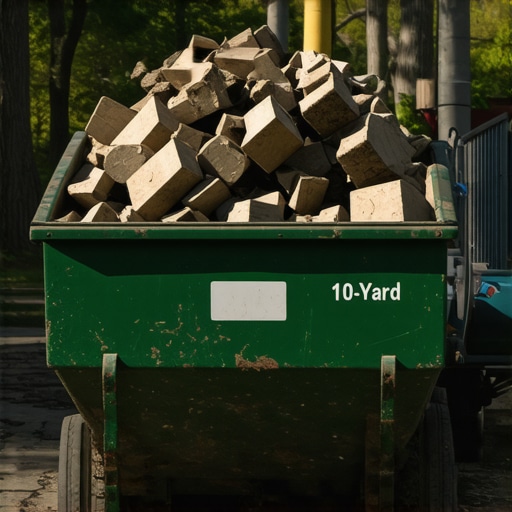
The 10 Yard Dumpster Weight Limit Secret for Heavy Tile Demo in Reeds Spring
The most expensive mistake in a bathroom or kitchen renovation in Southwest Missouri often happens before the first new tile is ever laid. It happens in the driveway. Homeowners and contractors alike frequently underestimate the sheer density of demolition debris. When you are staring down a 1,000-square-foot floor removal project, a 10 yard dumpster looks like a cavernous, more-than-adequate vessel. However, as Gavriel Dzhanov, an expert in commercial and construction waste management, often points out, volume is a secondary concern when dealing with masonry. The real “secret” that catches people off guard is the weight limit.
In areas like Reeds Spring and the surrounding Tri-Lakes region, the logistics of waste removal are complicated by steep terrain and strict hauling regulations. If you aren’t careful, that “affordable” lakeland dumpster rental can quickly double in price due to overage fees. Understanding the physics of tile weight – and how it interacts with the mechanical limits of a roll-off truck – is essential for a successful, on-budget demolition.
Why Volume is a Lie: The Weight Limit Reality
In the world of waste management, there is a massive difference between “light” debris and “heavy” debris. A 10-yard dumpster can hold roughly 50 to 60 bags of household trash or a small pile of yard waste without breaking a sweat. But tile is a different beast entirely. Most standard 10 yard dumpster rentals come with a pre-set weight limit, typically ranging from 2 to 3 tons (4,000 to 6,000 lbs). While the bin might only be a quarter full by volume, you could already be at the maximum legal weight capacity for transport.
A single layer of ceramic or porcelain tile for a 1,000-square-foot room can easily weigh over 3,000 lbs. That is just the tile. When you factor in the thinset, the backer board, or – heaven forbid – an old-school mortar bed, the weight skyrockets. Heavy debris like tile, concrete, and brick requires specialized handling because it puts immense strain on the hydraulic systems of the delivery trucks. If you fill a 10-yard bin to the brim with tile and concrete, it could weigh 10 tons, making it impossible (and illegal) for a standard truck to lift or transport safely on Missouri roads.
This is where many DIYers run into trouble. They see empty space in the bin and keep loading. When the driver arrives for pickup, they find a container that is “tanked” – too heavy to move. This results in “dry run” fees and the back-breaking labor of having to unload half the dumpster before the company can take it away. This is also why understanding The Trowel Size Error That Leads to Hollow Sounding Tiles is relevant; the thickness of the original mortar bed used to fix those errors significantly contributes to the final weight of your demo debris.
Calculating Your Tile Debris Weight Before You Rent
Before you call for a waste container rental, you need to do some basic “demo math.” Relying on guesswork is the fastest way to trigger overage fees in ozark dumpster service areas. Here is a professional cheat sheet to help you estimate your load:
- Standard Ceramic/Porcelain Tile: Approximately 4 to 5 lbs per square foot (including a standard layer of thinset).
- Natural Stone (Marble/Slate/Travertine): Approximately 6 to 8 lbs per square foot.
- Thick Mortar Bed (Mud Bed): If your tile is set in a 1-inch to 2-inch thick bed of concrete/sand mix, the weight can jump to 15 to 25 lbs per square foot.
Let’s look at a practical example: A 500-square-foot kitchen and dining area demo. At 5 lbs per square foot, you are looking at 2,500 lbs of debris. This fits comfortably within the 2-ton limit of a standard 10-yard bin. However, if that same 500-square-foot floor has a thick mud bed underneath, you could be looking at 10,000 lbs (5 tons). In that scenario, a single 10-yard rental is insufficient, and you would likely be better off with a ozark dumpster service professional advising you on a heavy-debris specific plan.
According to standards set by The Tile Council of North America (TCNA), the weight of installation materials is a critical factor in structural load-bearing calculations, and the same logic applies to your waste management plan. Debris density is the #1 cause of overage fees in the Ozarks. If you are unsure about the thickness of your subfloor or the type of tile you are removing, perform a small “test demo” in a corner to see what layers lie beneath.
Navigating Reeds Spring, Branson West, and Kimberling City Logistics
The geography of the Tri-Lakes area presents unique challenges for dumpster delivery and pickup. If you are working on a home in Reeds Spring, Branson West, or Kimberling City, you are likely dealing with steep hills, narrow winding driveways, and proximity to Table Rock Lake.
These hills make “overloaded” dumpsters exceptionally dangerous. When a truck is carrying 5 tons of tile down a 15-degree incline toward the lake, the braking system and weight distribution are pushed to their limits. Local providers must adhere to strict safety protocols to prevent accidents. This is why many companies in the Ozarks will refuse to pick up a bin if it is filled over the “max fill” line or if they suspect the weight exceeds the truck’s hydraulic capacity.
Furthermore, OSHA’s Construction Waste Management guidelines emphasize the importance of safe loading and transport of heavy materials to prevent workplace injuries. In the Ozarks, where the terrain is rarely flat, these safety standards are not just suggestions – they are operational necessities.
The 10-Yard vs. 15-Yard vs. 20-Yard Debate for Tile
When should you abandon the 10-yard bin and upgrade to a larger size? It’s a common misconception that a larger dumpster automatically means you can put more weight in it. In fact, many companies have the same weight limit for a 15 yard dumpster rental as they do for a 10-yard, because the truck picking it up remains the same. The difference is the volume.
However, for tile demolition, the 15-yard or even a 20 yard dumpster rental is often the smarter choice for projects exceeding 800 square feet. Why? Because tile doesn’t stack perfectly. It breaks into irregular shapes, creating “void space” or air pockets. In a 10-yard bin, these air pockets might cause you to hit the physical top of the dumpster before you even reach the weight limit. A 15 or 20-yard bin allows you more “breathing room” to distribute the weight evenly without the debris spilling over the sides.
If you are a contractor managing a fast-paced renovation, a 10 yard dumpster is great for a single bathroom, but for a whole-house floor scrape, you need a construction dumpster rental that accounts for the cumulative weight of tile, baseboards, and underlayment. Once the debris is cleared, your next focus will be preparing the substrate, so be sure to check out our guide on How to Achieve Flawless Floor Leveling Before Tile Laying to ensure your new installation doesn’t face the same issues as the one you just ripped out.
Pro Loading Tricks to Maximize Your Rental
How you load the dumpster is just as important as what size you rent. If you are using a same day dumpster rental, you likely have a crew ready to go and want to move fast. However, “tossing” tile in haphazardly is a mistake. To maximize your rental and stay safe, follow these pro tips:
- Lay Tile Flat: Whenever possible, lay larger chunks of tile flat on the bottom of the bin. This minimizes air pockets and keeps the center of gravity low, which is vital for the truck’s stability.
- Center the Weight: Do not pile all the tile at the front or the back of the dumpster. An uneven load can cause the truck to tilt dangerously during the “roll-off” or “pick-up” process.
- The “Half-Way” Rule: For heavy materials like tile, concrete, or dirt, a good rule of thumb is to never fill the dumpster more than halfway. Even if there is room at the top, you have likely reached your weight capacity.
- Avoid Mixed Loads: If you mix tile with light debris like cardboard or carpet, put the heavy tile on the bottom. This prevents the lighter materials from blowing out during transport and keeps the weight concentrated where the truck’s hoist has the most leverage.
By following these loading strategies, you ensure that your Why You Must Prime Concrete Before Every Leveling Job preparation starts on a clean, empty site without the lingering headache of a rejected dumpster pickup.
Avoiding the “Hidden Fee” Trap: Questions to Ask Your Provider
Not all dumpster rental companies are created equal. Some lure customers in with a low base price but then tack on exorbitant fees for weight, fuel, and environmental disposal. When searching for a trash dumpster rental, specifically for tile demo, you must be your own advocate.
Visit lakelanddumpsterrentalco.com and ask these specific questions before booking:
- What is the exact ton limit included in the base price? (Ideally, you want at least 2-3 tons for tile).
- What is the cost per ton for overages? (Standard rates in Missouri are usually between $65 and $95 per additional ton).
- Do you have a “hard cap” on weight? (Some companies will not pick up a bin if it exceeds a certain weight, regardless of what you are willing to pay).
- Are there environmental fees for masonry? (Tile is often recycled differently than general trash).
Being proactive about these details will save you hundreds of dollars. If you find yourself with leftover mess after the bin is gone, you might also need to research The Secret to Getting Dried Thinset Off Your New Tiles to keep the new installation looking pristine.
In conclusion, the “10-yard dumpster weight limit secret” isn’t a conspiracy – it’s physics. Tile is heavy, the Ozarks are hilly, and trucks have limits. By calculating your weight beforehand, choosing the right container size, and loading it strategically, you can avoid the “hidden cost” trap and keep your renovation moving forward. For the best service in Reeds Spring and beyond, always look for a provider that understands the specific needs of heavy construction debris and local topography.