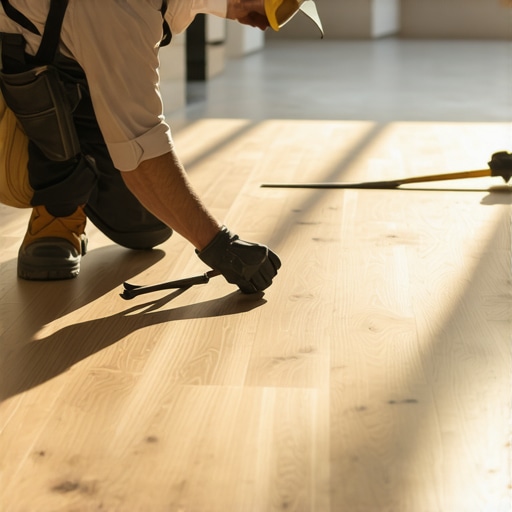
I vividly remember the moment I stepped onto my newly installed hardwood floor—pristine, shiny, and flawless. But within a year, that same floor developed uneven spots and creaky joints. It was a lightbulb moment for me: even the best-looking floors can turn into nightmares if not installed correctly. I realized that a seemingly minor mistake early on could jeopardize the lasting beauty and durability of my floors.
That’s when I dove deep into the world of flooring installation, eager to learn how to ensure my investment would stand the test of time. Today, I want to share with you some of the most essential tips to guarantee your floors look stunning and hold up well into 2025 and beyond. Proper installation isn’t just about aesthetics—it directly impacts longevity.
Why Proper Floor Installation Can Save You Big in the Long Run
Choosing the right flooring is only half the battle. The real magic happens during installation. A solid, level foundation prevents issues like buckling, cracking, and uneven wear. According to a recent study, flooring installation mistakes rank among the top causes of premature damage, costing homeowners in repairs and replacements. Learning effective techniques and avoiding common pitfalls can save you hundreds, if not thousands, down the line.
Have you ever faced unexpected floor problems shortly after installation? If so, you’re not alone. I’ve been there, and I know that improper leveling or ignoring manufacturer’s instructions can turn your dream floor into a nightmare. But don’t worry—armed with the right knowledge, you can prevent most issues.
Is It Really Worth All the Extra Effort and Cost?
Initially, I thought shortcuts were harmless. Skipping proper leveling or saving on quality materials seemed tempting, especially on a tight budget. Trust me, those decisions came back to bite me. Falling into that trap is a common mistake early in the process. For a detailed breakdown of what to watch out for, check out [floor leveling techniques](https://tiletrendshop.com/precise-floor-leveling-techniques-to-achieve-flawless-surfaces). Ensuring your subfloor is perfectly prepared is crucial, and the effort you put in now will pay dividends over the years.
In the upcoming sections, I’ll walk you through practical, proven strategies that I’ve tested personally. From leveling to installing tiles or hardwoods, these tips will help you create a durable, beautiful floor that endures. So, let’s get started and make your flooring project a lasting success.
Achieve Smooth Surfaces with Proper Floor Preparation
Start by thoroughly inspecting your subfloor for imperfections such as bumps, dips, or cracks. Use a long, straightedge to identify uneven areas. Think of this step as laying the foundation of a building—without a stable base, everything else will wobble. I once spent an entire afternoon meticulously patching a sagging corner in my living room, which later prevented creaking and buckling. Applying self-leveling compound is often necessary for minor dips. Pour a generous amount into the low spots, then spread it evenly with a notched trowel or a screed. For larger discrepancies, utilize a laser level to ensure perfect flatness, following detailed guidance from this resource. Guarantees like these make your floor a solid, lasting base.
Use Technology to Keep Your Floor Flat
Invest in a laser level or a long straightedge—these tools are your best friends. Place the level across multiple points of the floor to detect high and low spots. When I was leveling a stubbornly uneven dining room, I set up a laser transmitter to project a beam across the floor, making it effortless to see discrepancies in real time. Fill low spots with high-quality leveling compounds, applying in thin, controlled layers to prevent excessive weight or shifting. Remember: patience is crucial. Wait for each layer to cure completely before proceeding, especially on large projects. For comprehensive guidance, check out this ultimate guide. Precise leveling minimizes future issues like cracking or uneven wear, saving headaches and repair costs.
Prepare Your Subfloor Like a Pro
Before installing tiles or hardwood, ensure the subfloor is clean, dry, and free of debris. Use a vacuum or broom to clear dust and loose material. For moisture issues, employ a moisture barrier—think of it as a raincoat for your floor—especially in basements or humid areas. If you notice significant warping or rot, replace those sections entirely. I learned this the hard way when a damp patch in my basement caused tiles to pop loose months after installation. Proper preparation also involves securing loose joists or adding additional support if necessary. Well-prepped subfloors are less prone to shifting, making your finished floor more durable. For steps on subfloor refinement, visit this detailed guide. Think of this phase as anchoring a ship—the stability here determines how well everything else stays intact.
While many believe that achieving a perfectly level floor is simply a matter of measuring and applying leveling compounds, the reality involves much more sophisticated nuances. A frequent misconception is that a quick fix using standard materials guarantees long-term durability. In fact, subtle imperfections during the process can lead to major issues down the line, such as cracking or uneven wear.
One often overlooked aspect is the importance of understanding the substrate’s specific conditions. For example, an uneven or moisture-laden subfloor can cause greater problems than surface leveling alone. Experts emphasize that testing moisture levels prior to installation is crucial, as ignoring this step often results in adhesive failure or warping, problems that most homeowners only discover after months of regret. For in-depth strategies, visit this detailed resource.
Why does surface leveling sometimes hide deeper issues?
This is a common question. Many assume that if the surface appears smooth, the underlying structural components are sound. However, a perfectly leveled surface can mask structural problems like joist rot, framing misalignments, or moisture damage. These hidden issues can compromise the entire flooring system over time. Addressing them at the outset—such as reinforcing weak joists or replacing damp materials—saves you from costly repairs later. Recent studies support that proactive subfloor assessments significantly extend floor lifespan, especially with hardwood and tile installations. To understand comprehensive preparation, check out this expert guide.
Another nuance is the importance of temperature and humidity control during installation. Fluctuations can cause wood or tile to expand or contract, leading to future cracking or gaps. Many mistake this as a minor concern, but ignoring proper climate control can nullify meticulous leveling efforts. Installing with the right environmental conditions in mind, combined with precise leveling techniques, lays a foundation for longevity. For advanced advice, see Hardwood floor care secrets.
Remember, successful flooring isn’t just about initial appearance—it’s about understanding and managing these hidden nuances. Failing to recognize and address them early can undermine even the most professional installation. So, when planning your next project, ask yourself: Are you considering these subtle yet critical factors? Have you ever fallen into this trap? Let me know in the comments.Achieving and maintaining a flawlessly leveled floor over time requires more than just initial skill; it demands the right arsenal of tools and a proactive maintenance mindset. From laser levels to specialized primers, my personal toolkit has evolved into a comprehensive system designed for precision and durability. Investing in high-quality equipment not only accelerates the installation process but also ensures long-term success. For example, a laser level like the Bosch GSL2 Professional has been indispensable for me, providing quick, accurate readings across large areas, making corrections straightforward and reliable. When combined with a high-grit sanding machine, I can smooth out minor imperfections during ongoing maintenance, prolonging the lifespan of hardwood floors and tiles alike.
Additionally, adopting software solutions like moisture mapping apps has transformed my approach to flooring care. These programs analyze moisture levels across the subfloor, helping me avoid issues like warping or mold growth. Over time, I’ve learned that consistent monitoring provides early warnings of potential problems, allowing for timely interventions and preventive maintenance.
Looking ahead, I predict that the integration of smart sensors into flooring systems will become a norm, offering real-time data on moisture, temperature, and wear patterns. This advancement will enable homeowners and contractors to respond immediately, minimizing damage and reducing repair costs. For now, however, mastering the use of reliable tools remains the best strategy.
How do I maintain Hardwood and Tile Floors over time?
Regular cleaning, prompt attention to spills, and periodic checks of the floor’s levelness are crucial. Applying specialized sealants or protective finishes also helps preserve the surface against moisture and daily wear. For hardwood floors, following expert advice from this resource has been invaluable. Moreover, I recommend trying out a professional-grade floor buffer annually to keep surfaces polished and smooth. Staying vigilant with these practices ensures your floors remain not just beautiful, but resilient.
Remember, the key is consistency. Use quality equipment for ongoing assessments, schedule regular inspections, and don’t hesitate to consult expert resources for refining your maintenance routines. With the right approach, your floors will continue to provide enduring beauty and functionality, even as your home evolves. If you’re ready to take your maintenance to the next level, try implementing laser-level checks quarterly—this simple step can preempt many issues before they become costly repairs.When I first started my flooring journey, I underestimated the importance of meticulous preparation. I believed that crisp surface leveling and proper tools alone could guarantee a flawless finish. However, I soon learned that patience, understanding hidden issues, and continuous learning were equally vital. A major lightbulb moment came when I discovered that some problems, like moisture damage beneath the surface, only reveal themselves months after installation, emphasizing the need for thorough subfloor inspections from the outset. This helped me realize that investing time in upfront assessments saves significant headaches later. Additionally, precision in every step—whether it was applying leveling compounds or checking environmental conditions—culled many unnecessary repairs and rework. These lessons reinforced that excellence in flooring isn’t accidental but a product of deliberate action and attention to subtle nuances, which can make all the difference between a durable surface and a recurring problem.