I distinctly remember the moment I realized my bathroom tile was not going to survive the next few years. A small crack here, a loose tile there—what started as minor issues quickly turned into a full-blown nightmare. It hit me hard: I’d overlooked some crucial installation practices, and now I was paying the price. That experience taught me a valuable lesson that I want to share with you today.
Why Proper Tile Installation Is More Than Just Sticking Tiles on the Floor
When I first dove into DIY tile projects, I thought the main thing was choosing beautiful tiles. Turns out, durability hinges on the details of installation and preparation. In 2025, the stakes are higher than ever. With new materials and techniques emerging, ensuring your tile floors last requires a mix of knowledge, skill, and patience. This isn’t just about aesthetics—it’s about saving yourself from costly repairs, ongoing maintenance, and disappointment.
According to experts, improper leveling, inadequate surface prep, and overlooking expansion joints are among the top mistakes that cause tiles to crack or loosen prematurely. The good news? Many of these pitfalls are avoidable if you pay close attention to best practices. Want to learn how to sidestep these common errors and set yourself up for a long-lasting, stunning floor? Keep reading.
Is All the Hype About Floor Leveling Worth It?
I remember rushing through the leveling process early in my projects, thinking it was an extra step I could just skim over. Big mistake. Proper leveling ensures a smooth, even surface, preventing tiles from cracking underfoot. It might seem tedious upfront, but investing time here pays off big in the end—think fewer callbacks, less maintenance, and a professional finish that endures.
Starting with a solid foundation is key. I learned this the hard way after my first attempt, which resulted in uneven tiles and grout lines that looked more like a jagged mountain range than a sleek floor. Now, I swear by detailed surface assessments and precise leveling techniques, like those outlined in the [ultimate guide to floor leveling](https://tiletrendshop.com/the-ultimate-guide-to-floor-leveling-for-a-perfect-finish). Trust me, taking the time to do this step thoroughly transforms your project.
Are you wondering what specific steps can make the difference? Well, that’s exactly what I’ll be sharing next. Let’s get your floors not only beautiful but also built to last. Do you have a particular challenge you’ve faced with tile installation? I’d love to hear about it—reach out through our [contact page](https://tiletrendshop.com/contact-us) and let’s troubleshoot together.
Start with a Clean, Level Surface
Before laying any tiles, ensure your subfloor is pristine and flat. I once skipped this step and ended up with uneven grout lines and cracked tiles after just a few months. To avoid this, remove all debris, vacuum thoroughly, and inspect the floor for dips or bumps. Use a leveling compound from this guide to fill minor imperfections and create a solid foundation. Remember, a stable base is crucial for long-lasting results.
Apply a Quality Primer or Bonding Agent
Next, treat your surface with a suitable primer or bonding agent. This step enhances adhesion, especially on porous or uneven substrates. I learned this the hard way when I skipped primer on a concrete slab—my tiles started loosening within a year. Follow the manufacturer’s instructions carefully to ensure optimal adhesion. For detailed techniques, see this expert article.
Plan Your Layout Before Adhesive Application
Layout planning prevents awkward cuts and ensures symmetry. I recommend dry-fitting tiles along your designated centerlines, then marking reference points. Use spacers for even gaps. Once satisfied, remove tiles and apply adhesive as per these pointers. This preemptive step saves time and reduces material waste.
Use the Right Trowel for Consistent Adhesive Thickness
Choosing the right trowel is like selecting the right brush for a painting—crucial for quality. A too-large notch creates uneven bonding, while too-small leads to air pockets. I settled on a 1/4-inch V-notch trowel after testing, which provided even coverage for my 12-inch porcelain tiles. For a quick reference, see this guide on optimal adhesive application techniques.
Press and Twist Tiles for a Secure Fit
Installation isn’t just about placing tiles; it’s about pressing firmly and twisting slightly to squeeze out air and excess adhesive. I found that applying consistent pressure with a rubber float helped tiles settle evenly. Use a level regularly and adjust as needed before adhesive sets. For tips on perfecting your technique, visit this comprehensive guide.
Allow Proper Curing Time Before Grouting
Patience is key. Even if you’re eager to finish, rushing the curing process can lead to loose or cracked grout. I waited at least 24 hours after setting my tiles before grouting, which paid off with a durable finish. Covering the tiles lightly with plastic can help maintain consistent moisture during curing. Check this resource for curing tips to ensure longevity.
Seal and Maintain Your Floor Regularly
Finally, protect your investment with proper sealing and routine maintenance. I use a high-quality tile sealer recommended in this article. Periodic cleaning and sealing extend the life and beauty of your tiles, preventing stains and moisture damage. Recognize that a well-maintained floor performs better and lasts longer.
Many DIY enthusiasts and even seasoned contractors often overlook the subtle nuances that make or break a flooring project. While choosing the right material or following basic steps seems sufficient, the real challenge lies in mastering advanced techniques and understanding common misconceptions. One crucial myth I frequently encounter is the belief that surface leveling is a quick, superficial step. In reality, meticulous surface preparation and understanding floor irregularities can prevent disasters down the line.
Why Most People Overlook the Nuance of Floor Substrates
It’s tempting to assume that any concrete slab or subfloor is ready for tiles or hardwood. But surfaces often hide imperfections—like hairline cracks, slight dips, or moisture issues—that can cause major problems later. Neglecting these details is a recipe for cracked tiles, squeaky hardwood, or uneven surfaces. Experts stress the importance of thorough inspections and proper moisture testing, as outlined in this comprehensive guide. Overlooking the substrate’s condition is one of the most common pitfalls, yet it’s a nuance that separates amateur from pro-level results.
Challenging the Myth: Is All Floor Leveling Created Equal?
Many believe that any leveling compound or underlayment will do the trick. But the truth is, not all leveling techniques are suitable for every situation. For example, thin-set methods work differently than self-leveling compounds, which require precise application to achieve true flatness. As pointed out in this expert resource, improper application can lead to weak spots, bridging issues, or subsequent cracking. Mastering these nuances ensures durable, professional results.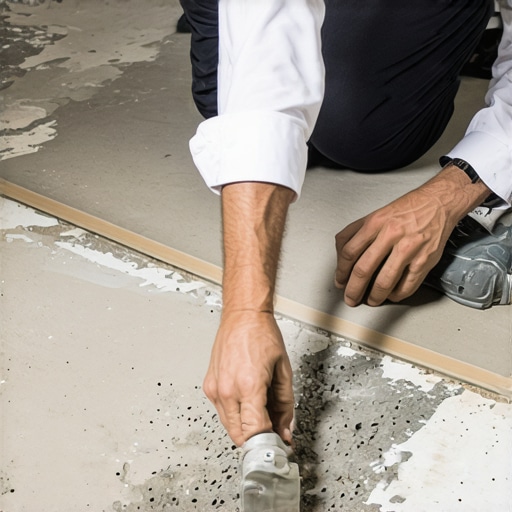
Another hidden nuance involves the timing of flooring installation, especially regarding ambient conditions. Many installers rush their work or neglect environmental factors like temperature and humidity, which can directly affect adhesive curing and expansion. This often leads to failed installs or warping over time. According to recent studies, maintaining optimal environmental conditions during installation significantly enhances longevity, as discussed in this detailed article. Being aware of these subtle yet crucial factors can save you hundreds of dollars in repairs.
Have you ever fallen into this trap of neglecting advanced steps or nuances? Share your experiences or questions in the comments—I’m here to help you master every aspect of flooring installation, from foundational prep to finishing touches.Maintaining your hardwood, tile, or other flooring types requires more than just routine cleaning; it involves the right tools and ongoing care to ensure durability and aesthetic appeal. One of my favorite investments has been a high-quality oscillating multi-tool. I use it to perform detailed, gentle cold cuts on tiles and to remove old adhesives without damaging the substrate. Its versatility allows me to handle small repairs and detail work efficiently, saving time and preventing larger issues down the line. Additionally, a moisture meter is indispensable, especially when working with wooden floors or tiles installed over concrete. This device helps monitor moisture levels, preventing expansion or shrinkage due to unseen humidity problems, which are common causes of long-term damage. For hardwood floors, I recommend a microfiber mop paired with pH-neutral cleaners, like those recommended in this guide. Regular cleaning with proper tools removes debris that can scratch surfaces or interfere with sealing, maintaining the floor’s shine over decades. As we look to the future, advancements in sensor technology and smart cleaning devices are likely to make floor maintenance even more precise and less labor-intensive, emphasizing proactive care rather than reactive repairs. To keep your floors working well over time, consider scheduling periodic professional inspections to identify subtle issues early and undertake preventative maintenance. A small investment here can extend the lifespan of your flooring significantly. How do I maintain hardwood or tile floors over the years? The answer involves a combination of quality tools, regular upkeep, and staying informed about new techniques. For example, mastering refinishing strategies can revive aged surfaces and keep them looking brand new. Don’t hesitate to test these advanced maintenance tips—simple steps like using a microfiber mop and moisture meter can make a dramatic difference in your flooring’s longevity. Remember, the key is consistency and the right equipment, ensuring your investment remains beautiful for years to come. If you’re ready to dive deeper into specialized tools or advanced care routines, reach out through our contact page for personalized advice and recommendations.
Lessons from My Hard-Fought Flooring Journeys
One of the most profound lessons I learned was how critical proper substrate inspection is. I once ignored minor cracks and dips, only to face cracked tiles within months. Now, I routinely test for moisture and stabilize surfaces before proceeding—saving myself time and money.
Thinking all leveling compounds are equal was a trap I fell into early on. Standard formulas can fail if not chosen for the specific problem. I now always match the product to my substrate, thanks to detailed info from trusted sources, ensuring flawless results.
Underestimating the environmental conditions during installation nearly cost me a delicate hardwood floor. Temperature and humidity control are vital; I now monitor these parameters diligently, leading to long-lasting floors that withstand the test of time.
Skipping the curing time for adhesives and grout used to tempt me with quicker projects. But rushing causes future cracks and lifts. Patience pays off—a mindset I developed after several avoidable repairs.
Finally, regular maintenance with the right tools keeps my floors looking new. I swear by high-quality sealers and microfiber cleaning tools, which I learned from industry experts—these small investments safeguard my floors’ beauty and durability over decades.