
One crisp morning, I stepped into my living room and immediately noticed something unsettling: gaps between my hardwood planks, wide enough to see daylight through. It was a lightbulb moment—realizing that even in a freshly installed wood floor, environmental factors could cause such issues. This annoyance isn’t just superficial; gaps can lead to squeaks, looseness, and decrease the lifespan of your floors. If you’ve ever experienced this, you’re not alone. I quickly learned that addressing these gaps isn’t a matter of just filling them temporarily; it requires understanding the root causes and applying specific underlayment fixes tailored for dry climates, especially as we look toward 2026.
Why Gaps Are More Than Just an Eye Sore in 2026 Climate Zones
Assess the Floor and Prepare Materials
Start by inspecting the gaps between planks to determine their size and extent. Use a measuring tape or a feeler gauge to identify which gaps need urgent attention. Next, gather your supplies, including underlayment, wood filler, a pneumatic nailer, and flooring adhesive. Having everything ready ensures a smooth process and avoids delays. Remember, proper preparation is like setting the foundation of a house—crucial to lasting results.
Address Subfloor and Levelness Before Filling Gaps
Check for Subfloor Sagging or Unevenness
Use a straightedge or laser level to identify high or low spots on the subfloor. If you detect any irregularities, plan to re-level or reinforce these areas first. This step is akin to smoothing out a rough road before paving—it prevents future problems like gaps reopening or squeaks. I once encountered a partially sagging section beneath my living room’s hardwood, which caused persistent gaps. After reinforcing the subfloor with plywood and using a self-leveling compound, the gaps diminished significantly.
Apply Floor Leveler for Perfect Flatness
Mix the appropriate amount of floor leveler, following the manufacturer’s instructions, and pour it into the low spots. Use a trowel or a squeegee to spread evenly. This process creates a flat, stable base for your flooring and minimizes movement that causes gaps. For large-scale projects, consider using a laser-guided tool for precision. Proper leveling prevents your hardwood from shifting due to uneven subfloors, safeguarding your investment.
Install Underlayment to Combat Dry Climate Contraction
Choose an underlayment designed for dry environments—materials like cork, foam, or soundproofing underlays provide stability and moisture buffering. Roll out the underlayment, trimming excess to fit the room perfectly. Secure it with adhesive or staples as recommended. Think of this layer as a shock absorber that absorbs environmental shifts, preventing the wood from expanding or contracting excessively. I found that a high-quality cork underlayment minimized the gaps visible after a few cold months.
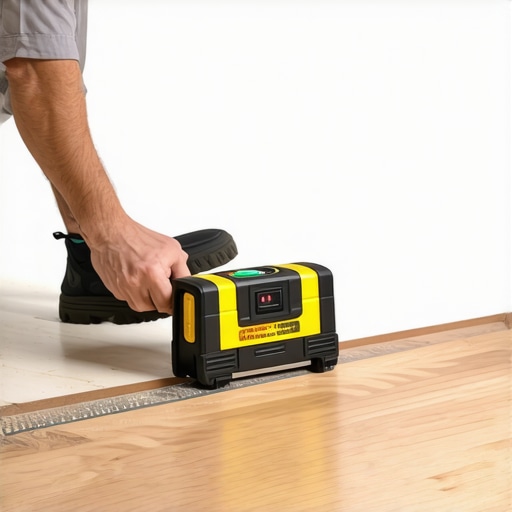
Insert an image showing proper underlayment installation over a leveled subfloor, illustrating seamless placement and trimming.
Use Proper Fastening Techniques
Secure the hardwood planks with a pneumatic nailer or staple gun, ensuring nails are driven beneath the surface to avoid protrusions that can cause gaps or squeaks. Maintain consistent nail spacing—usually every 6 to 8 inches—along the tongue or groove. For loose or squeaky planks, re-tightening or re-nailing can resolve small gaps. Remember, tight, well-secured planks are less prone to shifting under dry conditions.
Apply Flexible Wood Filler and Seal Gaps
For small gaps, fill them with a flexible, wood-compatible filler or caulk that can expand and contract with temperature changes. Use a putty knife to press the filler into the gaps flush with the surface. For larger openings, consider inserting small wood shims before nailing or gluing. Post-filling, sand the surface lightly to ensure smoothness. This step acts like stitches in a wound—reinforcing where the natural movement occurs most.
Finish and Monitor
After filling, apply a matching stain or finish to maintain your floor’s aesthetic. Regularly inspect the gaps during seasonal changes, especially during winter, to catch any new movement early. If gaps reappear, revisit the subfloor reinforcement or consider moisture control measures. Proactive care prolongs the life of your flooring and keeps gaps at bay in the harshest dry climates.
While many believe that leveling floors or installing hardwood and tile is straightforward, the truth is that many common practices are misunderstood or oversimplified. One major myth is that a perfectly leveled subfloor guarantees a flawless finish—however, even small undetected imperfections can cause issues like tile cracking or hardwood gaps over time. *Advanced techniques such as laser-guided leveling* are often overlooked but can significantly improve accuracy, as highlighted in expert guides. Moreover, many installers neglect the importance of acclimating materials and controlling ambient humidity, which can lead to subtle but impactful shifts post-installation, especially in dry climates. An often-ignored nuance is recognizing how the type of flooring material interacts with substrate conditions; for instance, certain hardwood species are more prone to warping if not installed with proper moisture barriers, as detailed in industry studies. Beware the trap of rushing through the prep stages—skipping detailed substrate assessments or choosing inappropriate adhesives can be costly mistakes. For those aiming for a high-end finish, mastering small but critical details like consistent adhesive application and precise joint alignment is essential. If you want to elevate your skills and sidestep common pitfalls, exploring resources like [Floor Leveling Techniques for a Flawless Finish](https://tiletrendshop.com/the-ultimate-guide-to-floor-leveling-for-a-perfect-finish) and [Mastering Hardwood Floor Refinishing](https://tiletrendshop.com/mastering-hardwood-floor-refinishing-expert-tips-for-2025) can be game-changers. Remember, attention to these nuances not only ensures durability but also elevates your craftsmanship, especially as expectations grow in 2026. Now, consider the subtle interactions between subfloor conditions and material choices—are you checking these details diligently? Have you ever fallen into this trap? Let me know in the comments.
Choosing the Right Equipment for Precision Work
Investing in high-quality tools is essential for durable flooring installation. I personally rely on a calibrated laser level, such as the Leica D:Line Series, which offers pinpoint accuracy over large areas. Its precise readings ensure that the subfloor is flat to within millimeters, preventing future gaps or uneven surfaces. My pneumatic nailer, like the Paslode CF325Li, is my go-to for securing hardwood planks efficiently; its consistent power minimizes nail protrusions and damage. Using calibrated and reliable equipment not only saves time but Also elevates the craftsmanship of your project, making long-term maintenance easier.
How do I maintain my tools over time?
Regular maintenance prolongs the lifespan of your equipment. Clean pneumatic nailers after each use with compressed air, and lubricate moving parts per the manufacturer’s recommendations. Store laser levels in padded cases to prevent damage, and calibrate them annually to maintain accuracy. Dull blades or worn-out fasteners can cause imperfect installs, leading to issues like gaps or squeaks down the line. By performing routine checks and proper storage, you ensure your tools remain reliable for future projects, reducing costly replacements and rework. For deeper insights into tool upkeep and advanced installation techniques, you might find resources at this guide on expert flooring tips invaluable. Don’t hesitate to invest time in tool maintenance—it’s the foundation for flawless results.
Harnessing Software for Accurate Measurements
In addition to physical tools, digital software like RoomScan Pro or AutoCAD can help plan layouts, measure areas precisely, and visualize material requirements before a single plank is laid. I use these programs to create scaled drafts that factor in room dimensions, obstructions, and expansion gaps. This proactive approach minimizes errors, material waste, and unforeseen surprises, streamlining the entire process from planning through installation. As technology advances, expect even smarter apps that can integrate with laser levels and measurement devices, creating a seamless workflow that adapts to the complexities of modern flooring projects.
Predicting Future Trends in Flooring Maintenance
Looking ahead, I believe that automation and IoT devices will play a bigger role in flooring maintenance. Smart sensors embedded in floors could monitor humidity, temperature, and structural shifts in real-time, alerting homeowners or contractors to potential issues before they manifest as gaps or warping. This convergence of traditional craftsmanship and high-tech solutions will empower users to maintain their floors proactively, extending their lifespan and reducing long-term costs. Embracing these innovations now can give you a competitive edge in delivering top-notch results.
Consider Upgrading to Advanced Floor Leveling Techniques
If you haven’t already, try incorporating laser-guided floor leveling systems for your next project. These tools, such as the Bosch GLL3-330C, allow you to achieve even surfaces that traditional methods might miss. Accurate leveling underpins the success of tiles, hardwood, or vinyl installations, especially in dry climates where subtle shifts can cause noticeable issues. For detailed guidance, check out this resource on precise leveling. Mastering this skill can dramatically reduce future maintenance needs and elevate your craftsmanship to professional standards.
The Lessons That Changed My Approach to Flooring Projects
One of the most valuable insights I gained was the significance of meticulous subfloor assessment. I once overlooked minor unevenness, which later led to noticeable gaps and squeaks. Now, I always spend extra time diagnosing and reinforcing the subfloor, understanding that this initial step is the foundation for success. Additionally, I learned that environmental control, particularly in dry climates, is crucial; integrating proper underlayment and moisture barriers saves time and prevents future issues. My experience has also shown that investing in accurate measurement tools like laser levels and reliable equipment pays dividends, delivering precision that standard tools can’t match. Lastly, I discovered that continuous education—I regularly explore advanced leveling techniques—keeps my craftsmanship sharp and adapts me to evolving standards, ensuring the longevity of my work.
Tools and Knowledge That Elevate Your Flooring Craft
For anyone serious about flooring perfection, I recommend tools like the laser-guided floor levelers for unrivaled flatness, and high-quality pneumatic nailers such as the Paslode CF325Li that ensure secure, nail-sunk fastening. My trusted resource remains the guide on expert flooring installation techniques, which distills industry secrets and practical tips that I live by. In addition, leveraging advanced thinset formulations and moisture testing kits helps me catch potential issues early, saving time and material costs. Remember, the right tools combined with continued learning about floor leveling techniques make an undeniable difference in achieving flawless, durable results.
The Breeze of Confidence in Your Flooring Journey
Embarking on your flooring project might seem daunting, but with deliberate preparation and attention to detail, you can transform your space with confidence. Embrace the nuances of proper subfloor evaluation, environmental regulation, and precision leveling—these are the secrets behind long-lasting and beautiful floors. As the industry heads into 2026, adopting innovative tools and staying informed through trusted resources will give you an edge. This journey isn’t just about laying planks or tiles; it’s about crafting a space where stability and aesthetics harmonize perfectly. Take bold steps now, and watch your expertise blossom, turning every project into a testament to your craftsmanship. Are you ready to elevate your flooring mastery and leave behind common pitfalls? I challenge you to share your experiences below and continue learning together.