![3 Tests to Prove Your Floor Leveler is Dry [2026]](https://tiletrendshop.com/wp-content/uploads/2026/04/3-Tests-to-Prove-Your-Floor-Leveler-is-Dry-2026.jpeg)
It was a moment I’ll never forget. I’d just finished pouring my first self-leveling compound for a new tile project, feeling pretty confident about my work. Moments later, I stepped onto the freshly coated surface—only to discover uneven patches and a sticky, soft spot where I expected solid, dry flooring. That sinking feeling hit me hard—failure to verify if my leveler was really dry had turned a simple project into a costly redo.
Why Rushing the Drying Process Can Ruin Your Floors
In my early days of flooring installation, I naively believed the manufacturer’s recommended drying time was enough. But I quickly learned that things aren’t always that straightforward. Factors like humidity, temperature, and the type of floor leveler can dramatically affect drying times, making it risky to assume dryness without proper checks. Skipping these essential tests can result in lippage, cracking tiles, or warped hardwood planks—problems that could have been easily avoided.
Today, I want to share with you some proven methods to confidently determine if your floor leveler is truly dry. These tests will save you time, money, and the frustration of correcting mistakes caused by premature installation. Trust me, once you master these simple steps, you’ll greatly improve your results and enjoy a smoother workflow.
Is Floor Leveler Dry Enough? Here’s How to Be Sure
Let’s face it—no one wants to wait longer than necessary, but patience is crucial when it comes to flooring. Convinced early on that I had to rely solely on visual cues or a simple touch, I learned the hard way that such methods are unreliable. Remember, even if the surface appears dry, it might still be curing underneath. To avoid my mistake, I adopted these three tests, which are easy to perform and provide peace of mind.
Before we dive in, I encourage you to reflect: Have you ever started your tile or hardwood installation prematurely, only to face issues later? If yes, then this guide is exactly what you need. Properly verifying that your subfloor and leveler are dry is an essential step towards a flawless finish.
For more detailed insights into the importance of proper drying and installation techniques, check out [this comprehensive guide](https://tiletrendshop.com/the-ultimate-guide-to-floor-leveling-for-a-perfect-finish). Understanding these principles will set you up for success, whether you’re a seasoned pro or a DIY enthusiast.
Now, let’s move on to the practical tests that will help you verify your floor’s readiness—so you can proceed with confidence!
Test the Touch for Feel
After the minimum drying time, gently press your finger on the surface of the leveler. If it feels soft or tacky, it needs more time. I once rushed this step, pressed too hard, and left impressions that later telegraphed through my tiles, requiring re-leveling. Make sure the surface is firm and no imprint remains—think of it like testing a cookie’s doneness by gently pressing its center.
Use a Plastic Drip Test
Place a plastic sheet or a piece of painter’s tape on the surface and leave it overnight. If, upon removal, the surface sticks or leaves residue, it’s not fully dry. I did this on a humid summer day; the tape pulled up sticky patches that weren’t visible to the eye but caused tile lippage when I finally installed. This test ensures moisture isn’t trapped underneath, which can cause future expansion or cracking.
Perform a Plastic Wrap Inspection
Cover a small section of the leveler with clear plastic wrap, sealing the edges tightly. Leave it for 24 hours and then check beneath. Any moisture accumulation indicates the surface is still curing. During my DIY project, I neglected this step, and a week later, some spots sank slightly, revealing residual moisture underneath.
Apply a Moisture Meter Carefully
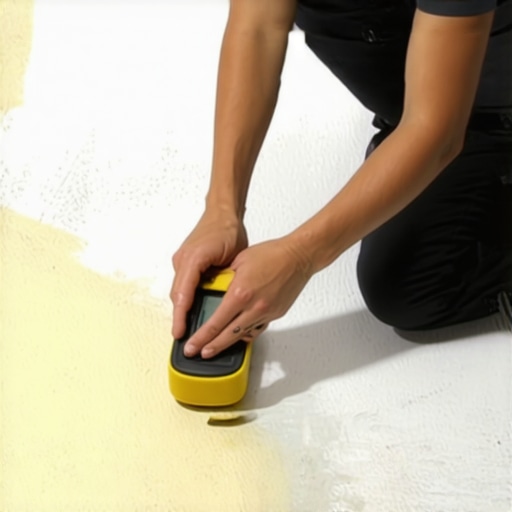
If you have access to a proper moisture meter, use it on the surface and the subfloor. Readings should typically be below 4% for concrete or as specified by your manufacturer. I once borrowed a moisture meter from a friend and discovered the slab had high moisture levels, even though it looked dry. Testing with calibrated tools removes guesswork, especially in older or damp environments.
Check the Temperature and Humidity Conditions
Ensure your room’s temperature and humidity are within the recommended ranges for the product—usually around 65-75°F (18-24°C) and less than 60% humidity. I learned the hard way that working in a poorly ventilated, humid basement extends drying times significantly. Monitoring these conditions and adjusting heating or dehumidifiers can speed up or properly regulate drying periods.
Document Your Testing Process
Keep notes of your tests—times, results, and environmental conditions. This helps create a pattern, giving you confidence in your assessment. I once documented my drying checks and noticed that a slight jump in temperature accelerated drying, but I also knew to pause if conditions shifted unfavorably.
By integrating these practical tests, you avoid the common mistake of rushing into the next phase of installation. Proper verification saves time and ensures the longevity of your flooring, making your efforts worthwhile. For more tailored advice, don’t hesitate to reach out via our contact page.
 Many DIYers and even seasoned contractors hold onto misconceptions about floor leveling and installation that can lead to costly mistakes. One widespread myth is that a quick visual check is enough to confirm a surface is dry and ready for further work. In reality, subtle nuances like moisture trapped beneath the surface or temperature fluctuations can significantly impact drying times and adhesion quality, something I’ve learned through years of hands-on experience. Relying solely on appearances or touch can result in uneven floors, tile cracking, or hardwood gaps that are difficult to rectify later.
A common trap is believing that all self-leveling compounds cure uniformly within the manufacturer’s recommended timeframe. However, environmental factors such as high humidity or insufficient ventilation can prolong curing and even cause pinholes or waviness in the final surface. Advanced practitioners use moisture meters and environmental monitoring to ensure substrate readiness, a practice backed by experts in flooring technology. For instance, studies from the Tile Council of North America highlight that moisture incompatibility is the leading cause of failed installations, emphasizing the importance of proper testing before proceeding.
Are you aware of how subfloor preparation impacts long-term durability? A critical yet overlooked step is assessing the subfloor’s porosity and stability, which directly influences bonding strength and levelness. Using a simple testing kit or performing a dye test can reveal hidden voids or unevenness. Skipping these inspections often leads to lippage or tiles shifting over time—issues that aren’t immediately apparent but become costly repairs later.
In tackling hardwood floors, many believe that sanding alone can fix unevenness or scratches. While sanding improves surface appearance, it doesn’t address underlying subfloor problems or moisture issues. Overlooking these aspects can cause cupping, buckling, or squeaking floors down the line. To prevent this, experts recommend comprehensive evaluation of humidity levels within the space and subfloor, using tools like hygrometers, and addressing structural problems beforehand. For an in-depth guide on hardwood longevity, visit [Hardwood Floor Care Secrets](https://tiletrendshop.com/hardwood-floor-care-secrets-to-longevity-and-shine).
One advanced tip for experienced installers is to consider slab movement and thermal expansion when planning large-format tile installations. Small cracks or lippage may seem minor initially but are often symptoms of substrate shifts. Installing movement joints strategically and verifying flatness with laser levels can mitigate these issues, saving time and resources. A 2023 study published in the Journal of Building Engineering affirms that proper structural assessment reduces long-term maintenance costs.
Have you ever fallen into this trap? Let me know in the comments. Remember, mastering these nuances elevates your craftsmanship and results in floors that stand the test of time, rather than revealing hidden flaws months down the line.
Keep Your Floors in Top Shape with Proper Maintenance
Maintaining your flooring over time involves more than just regular cleaning; it requires specific tools and techniques to ensure longevity. I personally rely on a high-quality moisture meter, such as the Protimeter Surveymaster, which allows me to accurately monitor subfloor and surface moisture levels—a critical step before and after installation. This device has saved me from costly repairs caused by hidden moisture issues, especially in older buildings or humid climates, aligning with the guidance in tile installation pointers.
For routine upkeep, I recommend investing in a microfiber mop and a pH-neutral floor cleaner. These tools help preserve the finish without stripping protective coatings, ensuring hardwood floors retain their shine and durability. When dealing with tile, a grout cleaning machine can effectively eliminate stains and prevent mold growth, maintaining both appearance and hygiene.
Using the Right Tools to Ensure Proper Installation and Long-term Results
Precision tools like a laser level are indispensable—I’ve integrated a Dewalt DW089LG laser level into my workflow, which guarantees flatness and evenness in large flooring projects. This tool helps me spot subtle dips or humps that could compromise tile or hardwood installation, preventing issues like lippage or buckling. Pairing this with a self-leveling compound testing kit allows me to verify that the substrate remains within acceptable flatness tolerances, as detailed in floor leveling techniques.
Routine inspection and maintenance don’t have to be complicated. Implementing a regular schedule with these specific tools helps catch minor problems before they escalate, saving money and effort in the long run. Looking ahead, I predict smart, sensor-based floor monitoring systems will become more affordable and widespread, offering real-time alerts for moisture, structural shifts, or wear—making proactive maintenance even easier.
How do I maintain flooring over time without high costs?
One effective method I recommend is using a damp mop with a microfiber pad combined with an appropriate cleaner to prevent dirt buildup. Regularly checking for moisture with your moisture meter, especially in basements or kitchens, can prevent warping or mold issues later. For detailed guidance on hardwood maintenance, visit hardwood floor care secrets. Try incorporating these tools and habits into your routine—small investments in quality equipment and consistent upkeep will extend your floors’ lifespan significantly.
Missed Clues that Cost Me Big
One of the toughest lessons I learned was during a rush to finish a large hardwood project; overlooking subtle moisture signs led to cupped planks months later. Patience and detailed inspection are my non-negotiables now. Also, relying solely on visual cues or quick taps can deceive you—testing moisture levels with proper tools saved me from expensive rework. Recognizing that environmental conditions fluctuate significantly with seasons and that a stable environment ensures better results was a lightbulb moment that transformed my approach. Lastly, I underestimated subfloor prep, thinking flatness was enough—misjudging this often leads to future tile or hardwood issues, making thorough subfloor assessments essential for lasting quality.