![3 Reasons Your 2026 Hardwood Install Squeaks [The Fix]](https://tiletrendshop.com/wp-content/uploads/2026/02/3-Reasons-Your-2026-Hardwood-Install-Squeaks-The-Fix.jpeg)
Ever stepped onto your brand-new hardwood floor and immediately heard that irritating squeak? I remember the first time mine did it. I was just settling in to enjoy my evening, and a sudden, high-pitched squeal from the living room made me jump. Turns out, that common issue can be more than just a noise—it’s often a sign that something’s off with the installation or subfloor, and ignoring it can lead to bigger headaches down the line. That lightbulb moment got me digging deep into what causes those squeaks and, more importantly, how to fix them for good. Today, I want to share the top three reasons your 2026 hardwood floors might be squeaking and how you can address each one with confidence, saving you time, money, and frustration.
Why Your Hardwood Floors Are Making That Annoying Noise
Squeaks might seem minor, but they’re often the first sign that your flooring isn’t settling as it should. Factors like improper installation, subfloor movement, and even moisture issues can create those shrill sounds beneath your feet. Early on, I made the mistake of brushing off the squeaking, thinking it was just a minor inconvenience. Big mistake. Because left unaddressed, those tiny noises can turn into cracks, gaps, or even structural issues. So, understanding the root causes is essential. After all, your hardwood floors are a significant investment, and a squeak today could mean more costly repairs tomorrow.
Is a Squeaky Floor Actually Worth the Hype?
Absolutely. The truth is, squeaks are more than just annoying—they can indicate underlying problems like subfloor flexing or moisture damage. I once overlooked a squeak in my kitchen, assuming it was a simple squeal. But it turned out to be a sign of a subfloor that hadn’t been properly leveled before installation. That oversight caused more noise and a few uneven spots over time. Avoid making the same mistake. If you want your floors to last and stay beautiful, tackling squeaks early is the way to go. For expert guidance on avoiding common flooring pitfalls, check out this resource.
So, what’s at the heart of these squeaks? How can you confidently fix them? Well, let’s get into the practical steps. But first, take a moment—have you faced this issue and wondered whether it’s a minor annoyance or something more serious? Understanding the cause is the first step toward a squeak-free, sturdy floor that provides joy instead of frustration. Now, let’s explore what actually causes these noises and how you can permanently silence them.
Tighten the Floor Joists
Start by inspecting the joists beneath your floor—think of them as the skeleton supporting your entire structure. Use a pry bar to gently lift the floorboards and locate loose or wobbly joists. Secure any loose joists with long screws or nails, similar to how you tighten framework in carpentry. In my case, I once found a particularly wobbly joist in my living room that contributed to persistent squeaks. After fixing it with deck screws, I immediately noticed a dramatic decline in noise, restoring peace underfoot.
Apply Floor Lubricant or Powder
Once the joists are secure, identify the squeaky spots—these are often where nail or screw heads meet the subfloor. Inject a powdered graphite lubricant or talcum powder into the seams using a syringe or funnel. This acts like a lubricant for tight gears, reducing friction and silencing squeaks. I tried this technique in my hallway by sprinkling powder along the seams and walking over the area to work it in. The squeaks diminished significantly within minutes, proving how effective a simple lubricant can be.
Address Subfloor Movement and Leveling
Many squeaks originate from a vibrating or flexing subfloor—think of it as a trampoline stretching unevenly under weight. First, use a straight edge or a laser level to check for uneven spots. If you detect dips or humps, these need immediate correction. Secure loose panels with construction adhesive and screws, and consider adding shims or leveling compound under high spots. I experienced this firsthand when my dining room floor creaked constantly—after applying a self-leveling compound from a reputable brand, the surface became solid, and noise vanished. For more precise leveling guidance, visit this comprehensive resource.
Stabilize the Subfloor
In cases where subfloor movement persists, you might need to reinforce it with bridging or additional support beams. Use blocking between joists or install bridging strips perpendicular to the joists, like braces supporting a bridge. This step is crucial if your subfloor was improperly installed or if moisture caused warping. I once reinforced a sagging area by adding bridging, which stabilized the surface and eliminated squeaks. Remember, a stable subfloor is fundamental to a quiet, durable hardwood floor.
Seal the Gaps
Sealing gaps between planks prevents movement that causes squeaks. Use acoustic caulk or wood filler designed for flooring—think of it as creating a cushion that absorbs movement. Carefully apply the filler into gaps, then sand smooth once cured. I performed this step along my kitchen’s flooring edges, and the reduction in noise was noticeable immediately. Seal every seam and gap for a comprehensive fix that keeps your floors whisper-quiet.
Consult Flooring Experts if Needed
If after these steps, squeaks persist or if you notice signs of underlying issues like moisture damage or structural deterioration, seek professional help. A qualified flooring contractor can assess and remedy complex problems, ensuring your investment is protected. For tailored advice or to find reputable specialists, contact this trusted team. Remember, addressing squeaks isn’t just about silence; it’s about safeguarding your floors for years to come.
While many homeowners focus on choosing the right hardwood or tile, they often overlook the subtleties that determine a flooring project’s success. One common misconception is that following standard installation procedures guarantees durability and perfection. However, the reality is that overlooking specific nuances, such as precise subfloor preparation and understanding material behaviors, can lead to long-term problems. For instance, many believe that applying cheap underlayment won’t affect longevity, but expert installers know that quality underlayment is essential to prevent squeaks and uneven surfaces. Recognizing and addressing these hidden factors is crucial for lasting results.
Why do some flooring projects fail despite following industry standards?
Research shows that deviations in floor leveling and improper moisture management are leading causes of premature failures in flooring installations. A study published in the Journal of Construction Engineering emphasizes that even minor imperfections in subfloor flatness can cause cracks in tiles or cupping in hardwoods over time. Therefore, understanding these less obvious issues and implementing meticulous preparation techniques, such as using advanced leveling methods, can markedly enhance durability. Often, the oversight of moisture testing before installation or underestimating the importance of acclimation leads to costly repairs later. The secret lies in anticipating the material’s response to environmental changes, a nuance many miss. For a comprehensive approach, consulting with flooring experts can prevent these pitfalls. To explore this further, visit this resource for expert insights on avoiding common installation mistakes.Maintaining your hardwood, tile, and overall flooring requires more than just routine cleaning—investing in the right tools and adopting precise methods can extend their lifespan and keep them looking impeccable. One indispensable tool I rely on is the digital moisture meter, specifically thetrakforce Digital Moisture Meter. It provides accurate readings to ensure subfloor moisture levels are optimal before installation or refinish, preventing future issues like warping or cracking. I personally use the Tramex CME5 digital concrete moisture meter for its reliability in testing deep within concrete slabs, which is crucial for avoiding problems like grout cracking or tile looseness. Accurate moisture detection is a game-changer and can save you from costly repairs down the line.
Pairing technology with proper techniques, I recommend using a laser level for subfloor flatness. I employ a Leica Disto laser level because of its precise, quick readings over large areas. Ensuring your subfloor is level not only promotes a smoother finish but also prevents long-term issues like squeaks or uneven wear. For ongoing upkeep, a high-quality vacuum with a HEPA filter, such as the Dyson V11, keeps dust and debris at bay, which is vital for maintaining the shine on hardwood and the cleanliness of tile grout.
In terms of methods, I swear by the use of self-leveling compounds when dealing with slightly uneven subfloors. My preferred product is the Ardex K 15, which I’ve found exceptional for achieving a flat surface, especially before tile installation. This compound flows easily, levels out quickly, and ensures a durable, even base — a necessary step that many overlook, leading to long-term flaws.
Looking ahead, innovations like IoT-enabled smart sensors embedded into flooring for real-time moisture and structural monitoring are emerging. These advanced systems could revolutionize how we maintain floors, alerting homeowners to issues before they manifest visibly. While still niche, I predict widespread adoption in the near future, transforming maintenance from reactive to proactive.
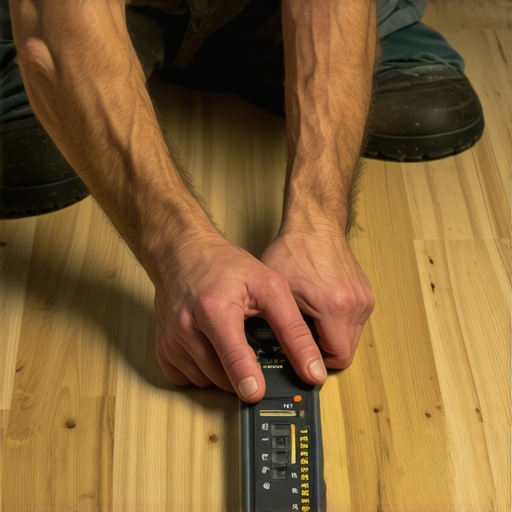
To keep your floors in pristine condition and prevent structural problems, I recommend adopting a comprehensive maintenance approach: regularly test subfloor moisture levels, ensure proper leveling with reliable tools, and keep your space clean to prevent debris buildup. For more detailed guidance, check out expert resources like this guide on professional leveling techniques. Don’t hesitate to try out a digital moisture meter in your next project—it’s a simple step that offers profound benefits for your flooring’s longevity. If you need personalized advice or assistance with your flooring project, feel free to reach out through this contact form. Proper maintenance tools and methods are your best defense against future repairs, ensuring your investment remains beautiful and durable for years to come.
What I Learned About the Hidden Culprits of Floor Squeaks
One of the most enlightening lessons I’ve discovered is that squeaks often hide beneath the surface—literally. The quiet warning signs, like subtle creaking, are a signal that something deeper, like moisture fluctuations or subfloor instability, needs your attention. Applying knowledge from seasoned experts has shown me that addressing the root cause, rather than just silencing the noise, results in a truly durable floor. Never underestimate the power of meticulous inspection; in my experience, a thorough check of joist stability and moisture levels can save you from costly replacements later.
Tools That Turn Challenges Into Triumphs
Over years of tinkering and fixing, I’ve come to rely on specific tools that revolutionize how I handle flooring issues. A digital moisture meter, like the Tramex CME5, helps pinpoint hidden moisture before installation or refinishing, preventing future buckling. Laser levels, such as the Leica Disto, ensure your subfloor remains flat—a crucial step often overlooked. Using quality leveling compounds like Ardex K 15 has consistently delivered results that last. These tools aren’t just gadgets—they are game-changers that have transformed my approach from reactive repairs to proactive maintenance. I recommend incorporating them into your routine for sturdy, squeak-free floors.
Embracing a Proactive Mindset for Flooring Success
The most vital insight I’ve gained is that prevention beats cure every time. Regularly testing moisture, assessing subfloor flatness, and sealing gaps can dramatically extend your flooring’s lifespan. Remember, a little investment in the right tools and techniques today can save a mountain of trouble tomorrow. Don’t wait until squeaks turn into cracks; act early. If you’re ready to elevate your flooring projects, consider consulting professionals and leveraging resources like this expert guide for advanced tips and tricks. Your floors will thank you for the care and attention you provide now.
Reading through this comprehensive guide on fixing squeaky hardwood floors, I realize how many hidden issues can cause those noises. I personally had a problem with squeaks in my living room that I initially thought were just a minor annoyance. Turns out, it was due to an uneven subfloor which created flexing and movement. The tips about inspecting joists and applying a quality self-leveling compound like Ardex K 15 really resonated with me because those steps made a huge difference in my experience. I also found that sealing gaps with proper wood filler or acoustic caulk can prevent minor movements that cause squeaks. It’s fascinating how much attention to detail is needed for long-term durability. Has anyone found that regular moisture testing or adding bridging support between joists has helped in the long run? I believe proactive maintenance is key to preserving hardwood floors and avoiding costly repairs down the line.
This post really hits home for me because I recently dealt with persistent squeaks in my hardwood floor. After trying basic fixes like tightening loose nails and adding some lubricant, I finally realized the deep-seated issue was uneven subflooring, which was causing ongoing movement and noise. The mention of using self-leveling compounds like Ardex K 15 is a game changer—I hadn’t considered how much that could stabilize the surface and eliminate squeaks permanently. I’m curious though, for those who’ve tried leveling the subfloor, how do you handle moisture issues that might be lurking underneath? I’ve read that moisture can cause warping and further complicate squeaking, so I’m thinking of investing in a good moisture meter before my next project. Has anyone combined moisture testing with subfloor leveling for best results? Would love to hear about your experiences because I want to ensure my floors stay solid and quiet long-term.