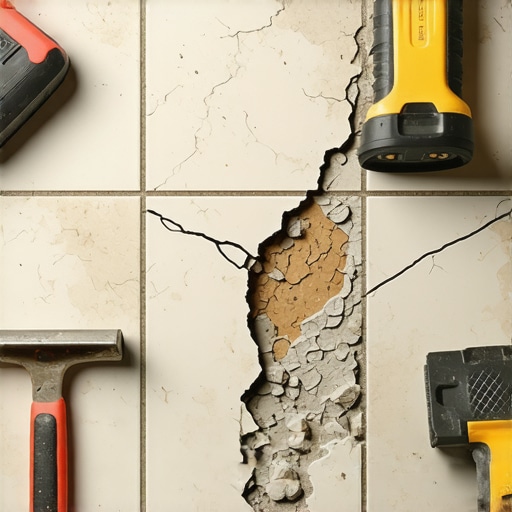
I still vividly remember the moment I stepped onto my freshly tiled kitchen floor, only to see a horrifying crack snaking across the vast surface. My heart sank. How could something so beautiful become marred so quickly? That feeling of frustration and helplessness is all too familiar for anyone who has tackled tile or hardwood installation—believing they’ve done everything right, yet facing unexpected damage.
The truth is, many homeowners and DIY enthusiasts overlook the sneaky flaws lurking beneath the surface. Large tiles and expansive hardwood planks are especially prone to cracking if the subfloor isn’t properly prepared. I learned this the hard way early in my renovation journey when a seemingly straightforward project turned into a patchwork of repairs because I underestimated the importance of floor leveling.
But here’s the good news: there’s a way to prevent these costly mistakes. Over the years, I’ve uncovered three proven secrets to ensure your floor is perfectly leveled before laying down those stunning tiles or hardwood floors in 2026—and beyond. In this article, I promise to share practical tips that will save you time, money, and the heartbreaking disappointment of cracked flooring.
Why Proper Floor Leveling is a Game-Changer
The foundation of a beautiful, durable floor isn’t just about selecting the right tiles or wood—it’s about preparing the surface beneath correctly. Imagine building a house on uneven ground; no matter how strong the walls are, the foundation determines long-term stability. The same applies to flooring installations. An uneven subfloor leads to stress points, which, over time, cause tiles to crack or hardwood planks to lift.
Did you know that according to flooring experts, up to 80% of tile cracks are caused by poor subfloor preparation? That statistic was shocking to me when I first read it, but it explains why so many projects face issues down the line. As I learned, mastering floor leveling is not just an extra step—it’s the secret to a flawless, long-lasting finish.
If you’ve ever faced uneven surfaces, wobbly tiles, or cracks appearing just months after installation, you’re not alone. And if you’re wondering whether investing time in proper leveling is worth it—absolutely. Skipping this step might seem tempting to save time and money initially, but it often results in costly repairs and countless headaches later.
So, how do you master this critical step? What are the best secrets the pros employ? Stay with me. We’ll explore exactly how to achieve a perfectly level subfloor—helping your floors look stunning and stand the test of time.
If you’ve ever faced this problem or want to prevent it, don’t skip ahead. Proper floor leveling might be the most valuable step in your renovation process. Let’s dive into the first secret that can transform your installation journey.
Start with a Thorough Inspection
Before any leveling, examine your subfloor carefully. Look for high spots, dips, and cracked areas. Use a long straightedge or a level to identify uneven spots. Mark these areas with chalk for easy reference during the process. Ignoring this step can result in missed problem areas, leading to cracks or lippage in the finished floor.
Prepare Your Tools and Materials
Gather essential tools like a self-leveling compound, trowel, mixing bucket, torch or roller (to remove air bubbles), and safety gear. Quality materials make a significant difference—opt for fast-curing, durable compounds suitable for your subfloor type. Proper preparation ensures smooth application and long-lasting results.
Prime and Clean the Subfloor
Ensure the surface is free of dust, grease, and loose debris. Apply a primer compatible with your leveling compound, especially if your subfloor is concrete or wood. This step improves adhesion, preventing future problems like bubbles or delamination. A clean, primed surface is the foundation of a flawless finish.
Mix the Self-Leveling Compound Correctly
Follow the manufacturer’s instructions meticulously. Use fresh, clean water and mix the compound thoroughly until you achieve a smooth, pourable consistency. Over-mixing can introduce air bubbles, so mix gently. Properly mixed compound will flow evenly, filling gaps and creating a level surface without voids.
Practical Tip: Remember, a well-mixed compound reduces application errors and speeds up curing. Watch a quick tutorial or review online guides for best practices.
Apply the Compound Efficiently
Pour the mixture onto the center of the area and use a trowel or squeegee to spread it outward. Work quickly—self-leveling compounds start to set within minutes. Use a spiked roller to eliminate trapped air, which can cause blemishes or weak spots. Don’t overwork the compound; let it naturally settle into a flat surface.
Let It Cure Fully
Allow the compound to cure as per manufacturer’s specified time—typically 4 to 24 hours. Avoid walking or placing heavy objects on the surface prematurely. Proper curing is crucial; rushing this step can compromise the levelness, leading to cracks or uneven floors later on.
Finalize and Verify Levelness
After curing, recheck the surface with a level or straightedge. Look for any imperfections or areas that require touch-up. Minor dips can be filled with additional compound once the initial layer is set, but always follow safety and curing instructions. Precision here ensures your tile or hardwood will sit perfectly without issues.
Integrate This Step into Your Routine
Consistent application of these steps pays off in durability and appearance. For detailed tips on tile installation, visit precise floor leveling techniques. Remember, the devil is in the details—skipping or rushing any phase can cost you time and money down the line.
Many believe that proper floor installation is just about selecting good materials and following basic steps, but in reality, the devil lies in the details. A common myth is that leveling compounds alone can fix all subfloor irregularities, yet subtle imperfections often escape notice until post-installation cracks appear. Overlooking the importance of thorough subfloor inspection can lead to costly repairs, even when using premium materials. For advanced installers, understanding the microscopic nuances—like hairline cracks in concrete or subtle moisture variations—can make the difference between a durable floor and a recurring nightmare. In fact, a study by the National Wood Flooring Association highlights that not addressing small subfloor deviations increases failure rates by over 25%, underscoring the need for precision. A sophisticated approach involves gauging not just the visible unevenness but also the structural integrity beneath, which can be tested through specialized equipment, reducing the chance of hidden flaws sabotaging your project. Many DIYers settle for surface fixes, unaware that deep-seated issues like subfloor voids or moisture traps can silently undermine even the most meticulous installation. As I’ve discovered through years of experience, investing in professional-grade moisture meters and laser-guided leveling tools can drastically improve outcomes. Remember, the slightest misjudgment—like neglecting to verify the moisture content—is a common trap that leads to warping or buckling later on. Detailed planning and diagnostic assessments ensure that errors are caught before they become costly mistakes. To truly master flooring installation, embracing these nuances and avoiding superficial fixes is essential. If you’re serious about lasting results, consider exploring advanced techniques at this comprehensive guide to floor leveling. Have you ever fallen into this trap? Let me know in the comments.
Investing in Quality Tools for Durable Flooring
When it comes to maintaining and scaling your flooring projects, having the right tools can make all the difference. I personally swear by a high-grade laser level and a moisture meter—the precision they offer is unmatched. A laser level ensures your hardwood planks or tiles stay perfectly aligned over time, preventing lippage or gaps that can develop years down the line. I prefer a rotary laser level because it projects a 360-degree beam, simplifying large-area inspections without needing to reposition the device constantly.
The moisture meter is equally critical. Subtle moisture variations beneath the surface can lead to warping or buckling, especially in hardwood floors. I opt for a pin-type moisture meter for flooring substrates since it provides reliable readings even in dense materials. Regular checks before and after installation help catch moisture issues early, saving you from costly repairs later.
Tools That Cut Long-Term Maintenance
Beyond initial installation, your routine upkeep benefits from a few specialized tools. I recommend a electric floor buffer with soft pads—these are excellent for restoring shine and removing surface grime without damaging the finish. For scratches or minor gouges, a professional-grade hardwood floor restorer kit can work wonders, especially if applied after basic cleaning to maintain the finish’s integrity.
Having a dedicated cleaning regimen is vital. I enforce a regular sweeping schedule, followed by damp mopping using a microfiber mop and pH-neutral cleaner. Avoid harsh chemicals, which can degrade the finish over time. To prevent water damage, immediately wipe up spills, particularly in high-humidity areas. For tile floors, sealing grout lines every couple of years keeps them resistant to stains or cracks, prolonging the overall beauty of the surface.
Future Trends in Flooring Maintenance and Scaling
Looking ahead, technological advancements are opening new avenues for easier maintenance. Smart sensors embedded in floors can monitor moisture levels, structural shifts, and wear, alerting homeowners before problems become visible. I believe that integrating Wi-Fi-enabled devices with your flooring systems will soon become standard, allowing remote diagnostics and even automated adjustments—like activating moisture barriers if needed.
On the scaling front, adopting modular flooring systems and quick-install overlays simplifies renovation projects. For example, snap-together hardwood planks or peel-and-stick tiles enable rapid updates without extensive prep work. This approach aligns with the evolving DIY trend influenced by online tutorials and accessible quality materials. If you’re eager to try one cutting-edge maintenance method, I suggest experimenting with a moisture barrier film beneath your hardwood to shield against subterranean moisture—it’s a game-changer that prolongs your floors’ lifespan.
How do I keep my floors looking new over time?
Maintenance involves regular cleaning, prompt spill management, and periodic sealing or refinishing. Investing in precise tools like laser levels and moisture meters ensures your foundation remains sound, which is essential for long-term durability. Remember, consistent care now saves you from complex repairs in the future. For more detailed strategies on extending your floors’ life, visit this guide to hardwood floor maintenance. Don’t shy away from experimenting with innovative solutions—try sealing your floors with a moisture barrier film and observe the difference it makes over the coming years.
Why Cutting Corners Almost Cost Me Everything
One of the biggest lessons I learned about installing durable floors is that even the smallest oversight in subfloor preparation can lead to catastrophic failures down the line. Skipping thorough inspections or rushing through the leveling process might save time initially but will almost certainly result in cracks, uneven surfaces, or costly repairs later. Understanding this early on helped me prioritize patience and precision, transforming my approach to each project.
The Truth About DIY Magic and Why Experts Still Recheck
Initially, I believed that a quick self-leveling compound and a confident pour were enough to guarantee a smooth surface. Turns out, even experienced DIYers need to double-check their work using precise tools like laser levels and moisture meters—tools I now swear by. Their insights prevent overlooked issues, especially subtle dips or hidden moisture pockets that can sabotage even the best efforts.
Patience is Your Best Tool for Long-Lasting Success
Rushing to finish a flooring project often leads to ignoring critical steps such as proper curing and re-inspection. I’ve discovered that giving each layer ample time and carefully verifying the levelness makes a tangible difference in the floor’s durability and beauty. It’s a reminder that good things, especially beautifully installed floors, are never rushed.
How Small Details Save You Big Money
Details like thoroughly cleaning the subfloor, priming correctly, and mixing compounds accurately aren’t glamorous but are essential. Neglecting them can cause the entire project to fail prematurely. Embracing these meticulous steps has consistently paid off, giving me floors that resist cracking and maintain their stunning appearance for years.
My Go-To Resources for Elevating Flooring Skills
Over time, I’ve curated a list of tools and guides that elevate my work. Reliable laser levels from brands like Leica or Bosch give me unmatched accuracy, and moisture meters from Tramex or Protimeter help detect hidden issues early. Plus, I regularly review tutorials and FAQs on specialized sites like precise floor leveling techniques—these resources help me stay updated with best practices, ensuring consistent quality in every project.
Take the Next Step Toward Perfect Floors
Your journey to durable, flawless flooring starts with a commitment to precision and patience. Don’t be discouraged by setbacks; instead, view each project as a chance to refine your skill. Remember, every perfectly leveled surface you create not only enhances your space but also boosts your confidence as a skilled DIY or professional installer. For ongoing tips and inspiration, keep exploring trustworthy resources, and share your progress—your floors will thank you!