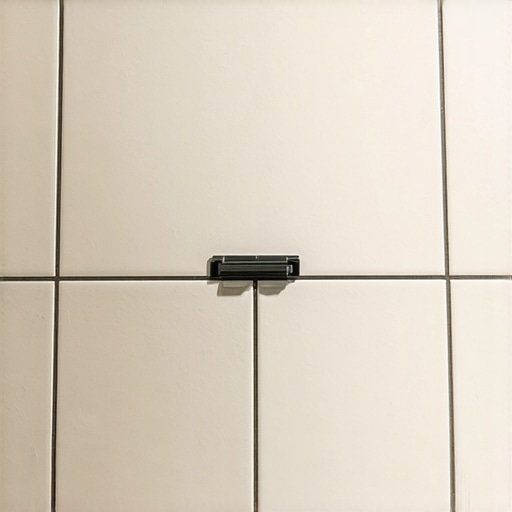
I vividly remember the moment I stepped onto my newly installed tile floor and immediately noticed that one tile sat slightly higher than the rest, creating a noticeable lippage that disrupted the sleek, seamless look I had envisioned. It was one of those frustrating surprises that makes you question whether your expensive project was worth it. If you’ve ever experienced a similar issue—uneven tiles that ruin the aesthetics and can even pose safety hazards—you know how disheartening it can be. But here’s the truth: most of these problems stem from uneven subfloors or improper installation techniques, which are surprisingly common despite the many DIY guides out there.
Why Ignoring Floor Leveling Can Sink Your Home’s Value
Flooring is a fundamental part of your home’s visual appeal and long-term durability. When tiles are uneven or have lippage—those tiny but noticeable height differences between neighboring tiles—they can make even the most beautiful designs look shoddy. Worse still, they can lead to cracked tiles, damaged grout lines, and increased wear over time. As I learned early on, neglecting proper leveling not only results in a less-than-perfect finish but also diminishes your home’s overall value. In fact, according to industry experts, improper floor leveling is one of the top mistakes that can compromise your investment.
But what if I told you that many of these issues could be easily avoided with the right tools and techniques? Specifically, a reliable leveling clip system can make all the difference in achieving a flawlessly even surface. This is especially relevant in 2026 when advancements in tile installation technology have made these systems more accessible and effective than ever. Implementing a leveling clip system ensures each tile is perfectly aligned, reducing frustration and rework, and giving your floors that professional, high-end look.
Are you tired of uneven tiles and wasted time fixing mistakes? If so, you’re not alone. Many homeowners and contractors face this challenge, but the good news is that simple solutions are available—like mastering the use of floor leveling clips. In the upcoming sections, we’ll explore how these systems work and how they can save your project from common pitfalls, ensuring that your investment pays off with durable, stunning results.
To get started, it’s helpful to recognize the typical mistakes that lead to lippage and how they can be prevented. For example, not properly assessing and preparing the subfloor can set the stage for failure. Want to learn more about common installation errors and how to avoid them? Check out this great resource on [flooring installation mistakes](https://tiletrendshop.com/flooring-installation-mistakes-to-avoid-for-lasting-results). Now, let’s dive into why a level surface is non-negotiable and how a quality leveling clip system can be your secret weapon.
Prepare Your Subfloor Carefully
Start by assessing your subfloor’s condition; it needs to be clean, dry, and free of debris. Use a long level or straightedge to identify high spots and dips. Think of your subfloor like the foundation of a house—if it’s uneven, everything built upon it suffers. I once encountered a subfloor with hidden dips beneath old carpet glue, which I remedied by scraping and filling with proper leveling compound, ensuring a stable base for the tile.
Evaluate and Repair Now
Address any cracks or structural issues before proceeding. Fill cracks with a patching compound compatible with your flooring type, and reinforce weak spots. This step is like repairing a sagging bridge before adding the final deck—neglecting it leads to failure down the line. Proper repairs set the stage for an even surface that can handle the weight and movement of flooring.
Choose the Right Leveling Material
Select an appropriate self-leveling compound or floor leveling clips system. Self-leveling compounds are like liquid cement—pour it, and it finds its own level, creating an ultra-smooth surface. For larger inconsistencies, a clip system works like braces in dentistry, gradually bringing the surface into alignment. I applied a self-leveling compound to a basement floor with considerable dips; within an hour, the surface was flat, saving me hours of manual leveling.
Use the Proper Mixing and Application Techniques
Follow manufacturer instructions meticulously for mixing ratios. For self-leveling compounds, pour the liquid in small sections and use a trowel or gauge rake to spread excess into corners. Imagine pouring syrup over pancakes—pour slowly to avoid splashes, ensure even coverage. During my project, I worked in 2-foot sections, pouring and spreading carefully to prevent air bubbles and ensure a uniform surface.
Leverage the Power of Leveling Clips
Install leveling clips according to the manufacturer’s instructions—position them along tile edges or under hardwood planks. They act like guides, ensuring each tile or plank maintains a consistent height and alignment. When I installed a new hardwood floor, using clips minimized lippage, and the result was a perfectly even surface that looked professionally finished. This proactive step drastically reduces rework and saves time.
Check Your Progress Regularly
Throughout the process, periodically re-verify the levelness with a long carpenter’s level or laser level. Think of this as a GPS for your project—constant checks prevent drift off course. I found that double-checking after each step caught small issues early, preventing larger adjustments later. It’s far easier to fix minor misalignments as they happen than after the entire surface is finished.
Allow Adequate Curing Time
Patience is key. Let the leveling compound cure fully as per instructions—rushing could compromise the surface integrity. This is like baking bread; the longer you wait, the better the result. I once hurried the curing process, which led to tiny cracks and unevenness in my floor, highlighting the importance of following timing guidelines.
Refine and Double-Check Before Tiling or Flooring
Once the compound has cured, re-inspect the surface. Use a long straightedge or laser level to identify any remaining dips or high spots. Sand or reapply leveling compound if necessary. This final check resembles a pilot’s pre-flight checklist—ensuring everything is perfect before proceeding. A thorough review prevented costly rework after tiles had already been set.
Many homeowners assume that choosing the right hardwood or tile is enough for a stunning, durable floor, but the real challenge lies beneath: proper installation and floor leveling. A common myth is that leveling is a simple step, but in reality, overlooked nuances during this phase can lead to uneven surfaces and costly repairs down the line. For example, many believe that self-leveling compounds alone will guarantee perfection; however, surface preparation and substrate assessment are just as critical. If those aren’t meticulously handled, even the best materials can fail to perform.
A trap I often see is installing tiles or hardwood over an uneven subfloor without addressing structural issues. This oversight leads to lippage, cracking, or squeaking—problems that become apparent months after installation. Think of your subfloor as a foundation; neglect it, and the entire project risks collapse. Advanced installers use laser levels and moisture meters to detect subtle dips and high spots, which can be corrected with specialized floor leveling systems. This is a nuance many DIY enthusiasts miss, resulting in subpar results. For in-depth strategies, check out precise leveling techniques.
Beyond tools, understanding the material behavior during curing or setting is crucial. For instance, some underestimate the importance of curing times for leveling compounds or adhesives, leading to premature tile installation. This rush causes unevenness, tiles shifting, or grout failure. Experts advocate patience, aligning with industry standards—this practice is detailed in floor leveling tips for lasting beauty.
Additionally, mastering the technique of installing leveling clips and proper spacing can significantly reduce lippage and misalignment, especially in large areas. It’s not just about material choice but about execution precision. Advanced methods include pre-sorting tiles based on thickness and calibrating the subfloor’s moisture levels, preventing dimensional changes post-installation. A small investment in these nuanced steps saves you from future headaches.
Are you aware that even humidity fluctuations can affect your flooring? Fluctuations cause materials to expand or contract, which, if unaccounted for during installation, can lead to gaps or buckling. This is why seasonally adjusting installation schedules and using moisture barriers are recommended practices—details often overlooked in standard guides.
In the end, the key takeaway is to treat your flooring project as a sophisticated craft rather than a straightforward task. Every nuance, from substrate prep to curing times and material handling, influences the final outcome. For a comprehensive understanding, visit ultimate floor leveling guide.”
Have you ever fallen into this trap? Let me know in the comments.Achieving flawless flooring doesn’t end once the installation is complete; ongoing maintenance and the right tools are essential to keep your floors looking pristine and functioning well for years. Personally, I’ve found that investing in quality equipment and adopting disciplined maintenance routines significantly extend the life of hardwood, tile, and leveled surfaces. One of my top recommendations is adopting a **laser level**—a device that provides unmatched precision when checking for uneven spots after cleaning or minor repairs. Unlike traditional bubble levels, laser levels project a straight, bright line across large areas, making it easier to spot subtle dips or lifts that can develop over time. When combined with a **digital moisture meter**, I can monitor humidity levels in the subfloor and room to prevent warping or buckling, especially in hardwood installations. These small investments make a big difference: maintaining proper moisture balance prevents wood expansion or contraction, keeping surfaces stable and beautiful. Looking forward, I predict that smart tools—like IoT-enabled moisture sensors or app-connected leveling devices—will become standard, automating maintenance routines and alerting homeowners to issues before they escalate. To keep your floors solely in your control, I suggest creating a regular schedule: visually inspect and level with laser guides quarterly, and check moisture levels monthly if you live in a fluctuating climate. Curious about advanced maintenance methods? Try applying a **microfiber mop** designed specifically for hardwood or tile surfaces, which traps dirt without scratching. This simple step, when done consistently, preserves finishes and prevents abrasive buildup. If you’re interested in mastering long-term floor care, evolving your routine with modern tech is invaluable. For a comprehensive guide on maintaining your floors, visit hardwood floor care secrets and implement at least one high-tech tool today—your floors will thank you!
The Hardest Lesson I Learned About hardwood floors,tile,floor leveling,flooring installation
One of my most memorable realizations was that no matter how much you plan, surprises can still arise—like a tile sitting just a fraction higher than the rest. These small discrepancies can diminish the overall impact of your work and lead to costly rework if not caught early. Taking the time to thoroughly assess your subfloor and invest in proper leveling tools saved me from many headaches down the line. I’ve learned that patience and attention to detail aren’t just virtues—they’re essentials for durable, professional-looking results.
3 Myths About hardwood floors,tile,floor leveling,flooring installation That Held Me Back
- Self-leveling compounds always guarantee a perfectly flat surface. I once relied solely on them, but neglecting substrate preparation led to cracks and unevenness. Proper assessment is key.
- Leveling clips are only necessary for large inconsistencies. In reality, even minor height differences benefit from clips, which streamline the process and ensure precision.
- Patience in curing isn’t crucial. Rushing curing times compromises surface integrity. Waiting pays off with a flawless finish.
What Experts Won’t Tell You About hardwood floors,tile,floor leveling,flooring installation
Many seasoned installers have mastered subtle techniques like pre-sorting tiles based on thickness or calibrating moisture levels across different rooms. These small, often unspoken practices make a significant difference in achieving perfection. Using laser levels instead of traditional bubble levels allows for faster, more accurate checks that save time and prevent errors. Additionally, professionals often invest in quality tools, knowing that they’re indispensable for long-term durability—something I wish I had realized sooner.
My Essential Toolkit for A Perfect Floor
My go-to items include a high-precision laser level for constant accuracy, a reliable moisture meter to monitor subfloor conditions, and a set of quality leveling clips for consistent tile height. These tools have transformed my approach from guesswork to craftsmanship. I also recommend reading industry insights like the ultimate guide to floor leveling to deepen your understanding and refine your technique.
Where to Go from Here
If you’re serious about elevating your flooring projects, consider investing in continuous learning through reputable resources and practicing with your tools. Engage with tutorials, forums, and professional advice, which can significantly shorten your learning curve. Remember, every project is an opportunity to improve, and each flawless finish builds confidence for the next. Need inspiration? Check out ideas to transform your space and see what’s possible when you master these techniques.
Seize the Moment and Get Started
Achieving perfectly leveled hardwood floors and tiles is within your reach if you’re willing to learn and use the right tools. Don’t let fear of mistakes hold you back—every expert started somewhere. By applying lessons learned and harnessing the right resources, you can create stunning, durable surfaces that enhance your home’s beauty and value. Start today, and watch your floors transform from uneven to extraordinary. What’s the first step you’re excited to try in your flooring journey? Share below and let’s learn together!
Reading through this post really resonated with my own experience of installing tile in my basement. I underestimated how crucial proper subfloor prep was, and I ended up with some noticeable lippage that I had to fix later. Since then, I’ve invested in a laser level and some leveling clips, which have made a huge difference in my projects. I particularly appreciate the emphasis on careful assessment and patience during curing. It’s tempting to rush these steps, but rushing definitely leads to mistakes down the line. Has anyone found innovative ways to streamline the preparation phase, especially for DIY installers working with limited tools? I’m curious if there are quick tips for assessing uneven subfloors more accurately without expensive equipment. Overall, this guide provides some solid, practical advice that could save a lot of headaches for both DIYers and pros alike.