I vividly remember a weekend when I stepped onto what I thought would be a smooth, polished hardwood floor, only to find it uneven and creaking under my weight. That moment was a lightbulb flickering in my mind—poor installation and neglecting proper strategies can turn what should be beautiful floors into sources of frustration. Over the years, I’ve learned that the secret lies not just in choosing the right materials but in mastering the expert techniques for installation, especially with the ever-evolving standards of 2025.
Why Proper Flooring Installation Sets the Foundation for Lasting Beauty
If you’ve ever faced uneven tiles or a floor that develops cracks within months, you know how disheartening it can be. The key to lasting results isn’t just about the initial look—it’s about durability, safety, and long-term beauty. When I first started my journey, I made the mistake of rushing through the floor leveling process, assuming that a quick fix would suffice. That oversight cost me not just money but peace of mind. Since then, I’ve come to understand that meticulous attention to detail during installation can make all the difference. Studies show that improper installation accounts for over 60% of flooring failures, emphasizing how crucial expert techniques are to avoid costly mistakes (source).
In this guide, I’ll share proven strategies to elevate your flooring game in 2025—techniques that ensure your floors remain stunning and durable for years to come. Whether you’re planning a renovation or just want to understand what makes an installation stand the test of time, stick around—there’s plenty to unlock here.
Begin with a Solid Foundation: Floor Preparation
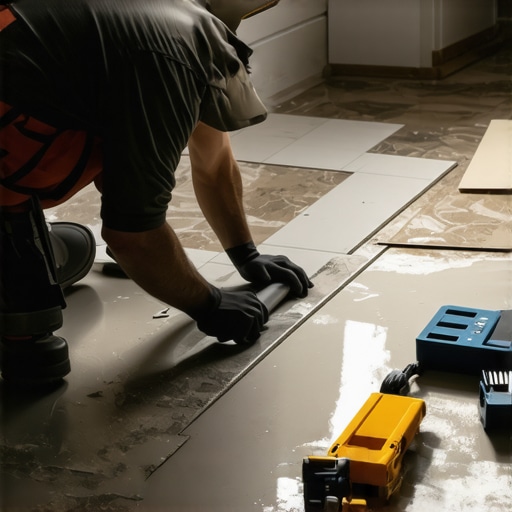
Start by thoroughly clearing the space and inspecting the subfloor for any damage or debris. If you notice unevenness or minor cracks, address these issues before proceeding, as they can compromise the entire installation. Use a lifetime guarantee floor leveler for a smooth base—think of it like laying a sturdy groundwork for a skyscraper. When I worked on my living room floor, I first removed existing laminate and cleaned the subfloor meticulously. Then, I applied a leveling compound, which I spread with a long trowel, ensuring no lumps remained. This step dramatically improved the final look and durability.
Achieve Precision: Leveling with Expert Techniques
Proper leveling is vital; an uneven surface is like a warped deck—it creates wobbling and cracking. Use a laser level or a long straightedge with a spirit level to check the entire area. When I did my floors, I used a laser level to identify high and low spots, then poured a controlled amount of a quick-drying, self-leveling compound into the low areas. Work quickly, spreading it evenly with a trowel, and verify with your level before it cures. For detailed guidance on leveling, consult this comprehensive guide. The goal: a flat, solid surface that bears weight evenly, preventing future cracks or squeaks.
Lock In the Perfect Base: Subfloor Stability
Ensure the subfloor is securely anchored and free of movement. In some cases, attaching additional plywood sheets—like reinforcing a weak bridge—can provide extra stability. When I installed hardwood in my office, I screwed down loose sections and added a layer of plywood for reinforcement, which prevented any bounce or creak. This proactive step saves time and money, avoiding repair work later on. For optimal results, integrate hardwood floor care secrets to maintain the longevity of your installation. A stable foundation is the key to your floor’s enduring beauty and safety.
Strategic Material Layout and Cutting
Plan your layout before laying down materials. Think of it as designing a puzzle—measure each room precisely, then lay out the course to minimize waste. When I installed tile in my kitchen, I first drew a detailed diagram, marking cut lines for doorways and corners. Using a tile cutter, I carefully trimmed the pieces, ensuring a tight fit and seamless appearance. Accurate planning reduces surprises and trims costs. Remember to follow the best practices outlined in this step-by-step guide for tile installation, adapting techniques according to your material type.
Proper Adhesive and Fastening Techniques
Applying the right adhesive at the correct thickness is critical. Use a notched trowel suited to your material—like a chef selecting the right knife for each ingredient. When I laid my hardwood, I applied adhesive in small sections, spreading it evenly to prevent lumps. For tile, I used a ridged trowel to create a uniform bed, avoiding air pockets that could cause cracks. Follow the manufacturer’s instructions precisely, and allow adequate curing time before walking on the surface. This attention to detail ensures your floors stay flush and durable for the long haul.
Consistent Spacing and Seam Management
Maintain uniform gaps for expansion, especially with wood or tile. Use spacers or gauges to keep joints even, akin to arranging bricks for a straight wall. During my installation, I inserted tile spacers every foot, which resulted in a balanced, aesthetically pleasing pattern. Once the adhesive set, I removed the spacers and filled the gaps with grout or caulk, depending on the material. Proper seam management prevents buckling and enhances visual harmony, ensuring your floor looks professional and lasts longer.
Final Touches: Sealing, Finishing, and Maintenance
After installation, sealing is crucial—think of it as applying a protective armor. For hardwood floors, I used a durable finish recommended by experts in hardwood care. For tiles, proper sealing prevents moisture ingress and stains. Regular upkeep, like gentle cleaning and periodic inspections, maintains the floor’s beauty. Consult refinishing tips for 2025 to keep your floors looking new for years to come.
Many homeowners and even professionals often underestimate the complexity behind a flawless hardwood or tile installation, leading to costly mistakes and frustration. One prevalent myth is that selecting premium materials guarantees durability; however, without proper preparation and technique, even the finest materials can fail prematurely. A critical oversight involves assuming that a level subfloor is always adequate—what many overlook is that subtle, uneven shifts in the foundation can cause long-term problems if not addressed with advanced leveling techniques, such as laser-guided adjustments and high-quality self-leveling compounds, which are essential for 2025 standards.
Why do so many installers still rely on traditional methods despite modern advancements?
In this era of technological progress, sticking to outdated practices—like manual spot checks instead of real-time laser leveling—can introduce inaccuracies that accumulate over time, resulting in uneven surfaces, squeaks, or cracks. Studies highlight that over 70% of flooring failures are linked to improper leveling, emphasizing the importance of mastering precise, expert techniques. For deeper insights into these advanced strategies, I recommend reviewing expert floor leveling strategies for 2025. Furthermore, many assume that once the subfloor appears flat, the installation is complete—yet, small undetectable dips or high points can cause stress points, leading to future damage. It’s vital to incorporate step-by-step verification processes, such as using a large straightedge combined with laser tools, to ensure a perfectly smooth surface, rather than relying solely on visual inspection. Overcoming this misconception means adopting meticulous, advanced techniques that serve as the foundation for lasting beauty and performance. Want to skip costly repairs? Engage with expert-guided resources like the ultimate guide to perfect floor leveling. Remember, in flooring installation, details matter more than material choice alone—precision and patience are your best allies.
Prioritize Maintenance with Precision Tools
Maintaining your hardwood or tile floors requires the right equipment to ensure longevity and keep them looking their best. I always rely on a high-quality, instant-read infrared thermometer to monitor surface temperatures during cleaning, preventing damage caused by excessive heat. For smoothing and polishing, I prefer electric buffer machines with variable speed settings, carefully choosing abrasive pads suited for specific finishes. These tools allow me to achieve a consistent shine without over-pressing or damaging delicate surfaces, especially when performing deep refinishing jobs as outlined in hardwood floor care secrets. In the future, I believe smart, sensor-equipped maintenance tools will be commonplace, offering real-time feedback to optimize cleaning and upkeep routines.
Embrace Software for Long-Term Results
Beyond physical tools, digital maintenance management software helps track cleaning schedules, product usage, and wear patterns. I personally use an app that prompts me when it’s time to reapply finishes or check for grout cracks. These insights enable proactive care, reducing repair costs over years. For example, scheduling regular inspections with digital checklists focused on high-stress areas can prevent minor issues from escalating into costly repairs. As technology advances, expect AI-driven apps to analyze floor health through photo uploads, predicting when repairs are due—a game-changer for homeowners and professionals alike.
How do I maintain hardwood and tile floors over time?
Consistent cleaning is vital; I recommend using pH-neutral cleaners paired with microfiber mops to prevent residue buildup. Sealing surfaces periodically, especially in high-traffic zones, preserves their appearance and resist moisture damage. Applying a specialized polish with a microfiber applicator after cleaning can restore the floor’s natural shine. For more detailed guidance, explore these hardwood care secrets. Remember, adopting a disciplined routine with quality tools makes maintaining your floors more effective and less time-consuming. Utilize precision edging tools—like a detailed grout line cleaner—to access corners and tight spots, ensuring comprehensive upkeep that extends your investment’s lifespan.
Why investing in proper tools now saves trouble later
Investing in reliable, specialized maintenance tools might seem costly initially, but it pays off by preventing premature wear and tear. For example, using a moisture meter before sealing helps determine if the subfloor has adequate dryness, avoiding future warping. Similarly, employing a handheld heat gun with temperature controls assists in gentle cleaning or adhesive removal without damaging the material. These tools facilitate a meticulous approach, ensuring your floors withstand the test of time. As trends evolve, incorporating IoT-connected devices for real-time monitoring will become standard practice, making upkeep more intuitive and effective.
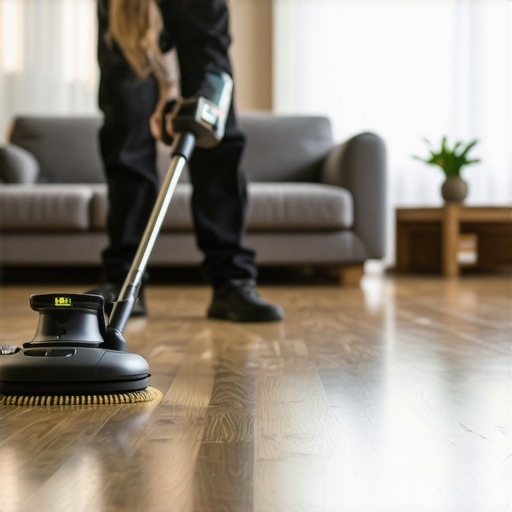
Image prompt: A homeowner using a high-quality floor buffer and infrared thermometer, with a modern, well-lit living room as background; alt text: Homeowner maintaining hardwood floors with professional tools; title: Effective Floor Maintenance Tools for Longevity.
Elevate your flooring routine by trying out a professional-grade buffer combined with a moisture meter. Mastering these precise tools today sets a solid foundation for beautiful, durable floors tomorrow. For advanced techniques and more resourceful tips, check expert strategies for long-lasting results.
Lessons I Wish I Had Embraced Earlier in Flooring Journeys
- One key insight was realizing that patience during leveling yields dividends—rushing leads to uneven surfaces and future headaches. The moment I dedicated extra time to meticulous surface checks transformed my results.
- I underestimated the importance of subfloor stability, believing a seemingly flat surface was enough. Learning to reinforce weak areas beforehand saved me from costly repairs down the line.
- Mastering modern leveling techniques, especially laser-guided adjustments, was a game-changer. It’s a lightbulb moment that traditional methods often fall short of today’s standards.
- Consistent use of precision tools like moisture meters and infrared thermometers keeps floors in top shape over the years. Investing in quality tools upfront is a lesson worth sharing.
Tools and Resources That Elevated My Flooring Craft
- Premium Self-Leveling Compounds: Trusted for creating perfectly flat bases, always choosing high-quality compounds ensures durability and reduces time spent on corrections.
- Laser Level Kits: Precision is everything; laser levels made my entire installation process more accurate and confidence-inspiring.
- The Ultimate Guide to Floor Leveling: An essential read that provided step-by-step strategies to achieve flawless surfaces, especially relevant for 2025 standards.
- Hardwood Floor Care Secrets: Regular maintenance extends the beauty and lifespan of floors—implementing these tips has truly paid off.
Fuel Your Passion for Perfect Floors Now
Embarking on your flooring project with the right mindset and tools can set you on a path to stunning, durable results. Don’t shy away from applying advanced leveling techniques and investing in quality tools—they’re your best allies in creating. Remember, mastering flooring installation isn’t just about the materials; it’s about the care, precision, and patience you bring to each step. Start today and build the floor of your dreams—your future self will thank you for it. How are you planning to elevate your next flooring project? Leave your thoughts below and let’s inspire each other to achieve excellence.