Ever spent hours meticulously installing new flooring only to find it warped, cracked, or losing its shine within a year? I sure have. I remember my first hardwood project—thinking I had it all figured out, only to see my beautiful floors develop unsightly gaps and scratches far too soon. That lightbulb moment taught me a crucial lesson: good installation is the foundation of lasting beauty. If you’re tired of redoing your floors every few years, you’re in the right place. Today, I’ll share proven top tips to ensure your flooring not only looks stunning in 2025 but stays that way for decades.
Why Proper Installation Matters More Than Ever
Flooring isn’t just about aesthetics. It’s about durability, maintenance, and how well your investment holds up over time. With the rapid advancements in flooring materials and installation techniques, doing it right from the start can save you thousands and endless headaches. According to recent industry insights, improper installation accounts for over 70% of flooring failures, leading to costly repairs and replacements (source: Flooring Installation Mistakes to Avoid). So, why gamble on shortcuts? Whether you’re laying tiles, hardwood, or laminate, mastering these tips will set you up for success.
Have you experienced the frustration of a floor that didn’t stand the test of time? You’re not alone. I once overlooked the importance of proper subfloor prep, which resulted in buckling and uneven surfaces. Trust me, it’s a mistake you don’t want to repeat.
Let’s dive into the most critical installation tips that will keep your floors looking pristine long after the new year begins. Ready to transform your space? Keep reading for expert advice that’s helped me and countless others achieve durable, stunning results.
Prepare Your Surface Like a Pro
Before laying any flooring, ensure the subfloor is perfectly flat. During my first hardwood project, I overlooked this step and ended up with squeaky, uneven floors. I rented a professional-level floor leveler and applied it meticulously, which took a full day but resulted in a flawless surface. Use a long straightedge and a level to identify high and low spots, then apply a high-quality leveling compound, following the manufacturer’s instructions carefully. Once dried, sand any rough patches to create a smooth, even base. This step is crucial; a level subfloor prevents future warping and cracking, making your investment last.
Choose the Right Materials and Layout
Picking the right flooring material is only part of the equation. Proper layout planning minimizes cuts and waste while enhancing aesthetics. I measured my room, factoring in doorways and windows, then used a chalk line to lay out the pattern. For hardwood, consider the direction of natural light; running planks parallel to windows can make the space appear larger. When installing tiles, stagger joints by at least 25% to improve strength and visual interest. For an extra professional touch, dry-lay your materials first to visualize the pattern and make adjustments before permanent installation. This planning reduces errors and guarantees a polished look.
Master the Subfloor Preparation
Subfloor prep is the foundation of lasting flooring. I learned this the hard way when I skipped detailed cleaning, leaving dirt and debris beneath the planks. The result? Gaps and squeaks. Always vacuum thoroughly and wipe the surface with a damp cloth to remove dust and grime. For concrete slabs, check for moisture levels and seal if necessary. Use a primer or adhesive recommended by the flooring manufacturer to improve bond strength. This step ensures your flooring adheres properly and remains stable over years of use.
Follow Precise Installation Techniques
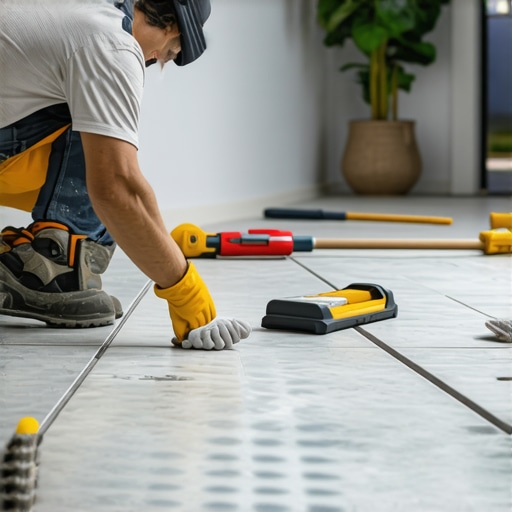
Adopt exact spacing and alignment practices. For hardwood, leave expansion gaps of at least 1/4 inch around the perimeter to accommodate seasonal changes. During installation, I used spacers to keep the gaps uniform and checked alignment frequently with a chalk line. When nailing or stapling, follow the manufacturer’s pattern to avoid damaging the material. For tiles, apply a consistent layer of thin-set mortar with a notched trowel, then press tiles firmly into place, twisting slightly to ensure good contact. Use tile spacers for even grout lines. Precision here prevents buckling, cracking, and uneven surfaces.
Care and Maintenance for Longevity
Once installed, protect your floors from damage. Regular cleaning with recommended products preserves shine and prevents scratches. I avoid excessive water on hardwood floors, using a damp mop and soft cloths. For added durability, apply a high-quality finish or protective coating as advised in hardwood floor care secrets. For tiles, seal grout lines periodically to prevent staining. Proper maintenance extends the life of your flooring and keeps it looking brand new for years to come.
Many homeowners believe they know the basics of flooring installation, but there are common misconceptions that can lead to costly mistakes. Let’s dig deeper into what most people get wrong about installing hardwood or tile floors, and how to avoid these pitfalls. One prevalent myth is that simply choosing high-quality materials guarantees durability. While quality materials are essential, improper installation often undermines their potential, leading to gaps, warping, or cracking over time. For example, even the best hardwood can fail prematurely if the subfloor isn’t properly prepared or if expansion gaps are neglected. To ensure longevity, focus on mastering proper installation techniques and floor leveling.
What advanced homeowners often overlook when installing flooring
Many believe that surface-level preparation suffices. However, the hidden nuance is that subfloor conditions are critical. Moisture problems, uneven surfaces, and debris can sabotage your project if not addressed. For instance, concrete slabs with high moisture levels require proper sealing to prevent future damage. Skipping this step is a common trap that leads to buckling or mold growth. Another mistake is ignoring seasonal expansion. Hardwood floors naturally expand and contract with temperature and humidity changes. Failing to leave adequate gaps or using incorrect adhesives can cause buckling or gaps over time. For detailed strategies on avoiding these issues, check out hardwood installation tips.
Furthermore, many installers underestimate the importance of consistent spacing and alignment. Using spacers and checking alignment frequently during installation ensures a professional finish that lasts. This attention to detail can prevent uneven grout lines or misaligned planks that detract from the overall look and durability. Also, remember that the finishing touches matter—applying the right sealants and protective coatings extends the life of your flooring. For more expert insights, visit installation strategies.
Have you ever fallen into this trap? Let me know in the comments. Mastering these advanced nuances can save you from costly repairs and ensure your floors stay stunning for decades.
The Power of the Right Equipment
Maintaining your flooring over the years requires specialized tools that streamline the process and ensure quality results. For hardwood floors, I swear by a high-quality floor buffer. It not only restores shine but also helps in removing minor scratches without damaging the surface. When it comes to tiles, a good grout removal tool makes a world of difference, especially if you need to replace or update grout lines. I personally prefer a oscillating multi-tool with a grout blade attachment, as it offers precision and minimizes mess. Investing in these tools saves time, reduces errors, and extends the lifespan of your floors.
Cleaning and Preventative Maintenance
Regular cleaning is vital. I recommend using a microfiber mop paired with a pH-neutral cleaner specifically formulated for your flooring type. Avoid harsh chemicals that can degrade finishes over time. For hardwoods, applying a protective finish periodically, as detailed in these care secrets, greatly enhances durability. Sealing grout lines on tiles every couple of years prevents stains and moisture penetration, which could otherwise lead to long-term damage. Implementing a consistent cleaning routine using quality products keeps your floors looking new and prevents costly repairs.
Staying Ahead with Future Trends
Smart technology is beginning to revolutionize flooring maintenance. Devices like automated floor scrubbers equipped with sensors can detect dirt levels and adjust cleaning patterns accordingly, reducing waste and ensuring thorough care. In the future, expect AI-powered systems to monitor floor conditions in real-time, alerting you to issues before they escalate. Staying updated on these innovations can make your long-term planning more efficient and cost-effective.
How do I maintain my floors over time?
The key is combining the right tools with regular preventative measures. Use a high-quality buffer periodically, seal grout lines annually, and adopt a cleaning routine tailored to your flooring material. Don’t forget to inspect your floors after seasonal changes—humidifiers and dehumidifiers can help control moisture levels that cause expansion or contraction. For hardwood floors, refinishing every few years with expert techniques can restore their original beauty, as guided in these expert tips. By staying proactive, you’ll ensure your floors remain stunning and durable for decades. Try integrating a smart cleaning device this year and see how it transforms your maintenance routine.
The Hardest Lesson I Learned About Flooring Installation
- One of my biggest mistakes was neglecting subfloor moisture testing. I rushed into laying tiles without checking moisture levels on a concrete slab, which caused future buckling and mold growth. Now, I always use a moisture meter and follow sealing protocols—saving myself costly repairs.
- Another lesson was thinking that high-quality materials alone could ensure durability. Proper installation techniques, like leaving expansion gaps and precise leveling, are what truly make the difference, no matter how premium the flooring is.
- Finally, I underestimated the importance of planning the layout beforehand. Dry-laying the materials and visualizing the pattern helped me avoid awkward cuts and uneven lines, making the final result look professional and last longer.
My Essential Toolkit for Flooring Success
- A high-quality moisture meter — I trust it to prevent future moisture-related damage.
- Professional leveling compound — essential for creating a flat, stable base.
- Spacers and chalk lines — for perfect alignment and consistent gaps.
- A good grout removal tool — makes repairs and upgrades easier and cleaner.
- A microfiber mop and pH-neutral cleaner — to keep floors spotless without damage.
Own Your Flooring Journey and Stay Inspired
Remember, your floors are more than just surface coverings—they’re the foundation of your home’s beauty and comfort. With careful planning, attention to detail, and the right tools, you can create a space that lasts for decades. Don’t wait for small issues to turn into big problems—start now, and enjoy the satisfaction of a job well done. Your perfect floor is within reach; take that first step today.
What has been your biggest challenge or lesson learned in flooring installation? Share your experience below and let’s learn together!
,