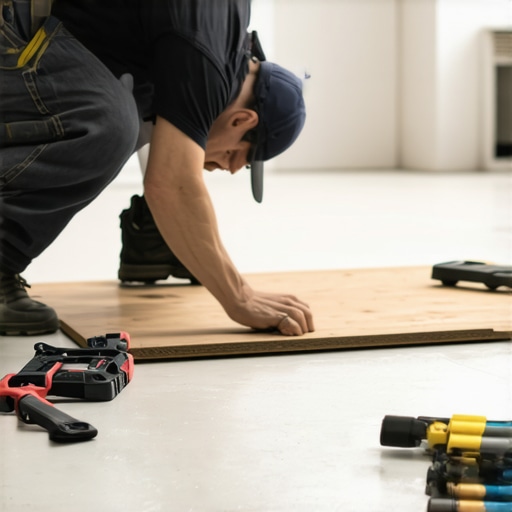
I remember the moment clearly—after hours of leveling, measuring, and carefully installing my new hardwood floor, I stepped back only to see a noticeable slope across the room. That sinking feeling of realizing I’d overlooked a critical step still lingers. It was a lightbulb moment that taught me the hard way how crucial proper leveling is for long-lasting beauty and durability.
If you’re tackling hardwood or tile installation, chances are you’ve faced or will face similar frustrations—uneven surfaces, gaps, or waviness that can ruin the entire look and compromise the floor’s longevity. But here’s the good news: with the right techniques and a bit of insider knowledge, you can avoid these pitfalls and achieve that perfect, professional finish you’re after. That’s exactly what I want to help you with today.
Why Proper Leveling Is the Foundation of a Stunning Floor
Think of leveling as the backbone of your flooring project. Skipping this step or rushing through it often leads to uneven surfaces that can crack, squeak, or look downright unprofessional. Early in my journey, I made the mistake of rushing the leveling process, assuming it was just a minor detail. Turns out, it’s the most critical step for ensuring your floors last for decades without issues. According to experts, improper leveling can cause problems that are costly and time-consuming to fix later—sometimes requiring complete removal and re-installation. For a detailed guide on how to get this right, check out this comprehensive resource.
Now, imagine a floor that feels solid underfoot, perfectly even, and looks like it belongs in a magazine. That’s the goal. But before we get into the how-to, I want to address a common question many DIYers and even pros ask: Is leveling really worth all the extra effort?
Is Floor Leveling Actually Worth the Hype?
Initially, I used to think that a little unevenness wouldn’t matter much—until I realized that even tiny dips or humps could lead to squeaks, cracks, and uneven wear over time. Plus, uneven floors make furniture wobble and can ruin the aesthetic. A crucial mistake I made early on was underestimating the importance of proper subfloor prep. Trust me, rushing this step cost me more time and money than I’d like to admit. For a professional approach, consider reading expert tips on flooring installation to avoid these costly errors.
If you’re wondering whether all this effort is justified, I’ll say this: a flawlessly leveled floor isn’t just about looks. It’s about durability, safety, and peace of mind. And with the right techniques, it’s entirely achievable. Ready to dive into the step-by-step process? Let’s get started with the essential strategies that will make your 2025 flooring project a success.
Set the Stage with Accurate Measurements
Before you even lift a tool, take the time to measure your floor meticulously. Use a long spirit level or a laser level to identify high and low spots across the entire surface. Think of this step as mapping out the terrain before building a road—knowing exactly where the dips and humps are will save you headaches later. I once skipped this step in a rush, only to find unevenness that required redoing the entire subfloor. Don’t make that mistake. For detailed measurement techniques, visit this guide.
Prepare Your Tools and Materials
Gather your leveling compounds, trowels, a mixing bucket, and safety gear. High-quality self-leveling compounds are your best friends here—they flow into low spots and create a smooth surface. When mixing, follow the manufacturer’s instructions precisely; too thick or too runny can compromise your results. I remember once mixing a batch too thick, which caused air pockets and uneven curing. To avoid such pitfalls, check out this resource.
Apply the Leveling Compound Smartly
Pour the compound into the lowest areas first—think of it as pouring syrup into a pancake. Use a trowel or a smoothing tool to spread it evenly, working from the high points towards the lows. For tricky corners or edges, a notch trowel helps control the flow. Remember, patience is key; don’t rush the process. I once hurried, and the compound set unevenly, causing a wavy surface that later cracked. For expert tips, see this comprehensive article.
Allow Adequate Curing Time
Let the compound cure fully—usually 24 to 48 hours—before proceeding. Rushing this step can lead to shifting or cracking, ruining your effort. During my first attempt, I removed the curing plastic too early, which caused the compound to shift under pressure. Now, I always mark the curing time on my calendar. Proper curing ensures a solid, flat surface for your flooring. For more insights, check this detailed guide.
Double-Check and Fine-Tune
Once cured, re-verify with your level. Use a straightedge or long spirit level to spot any remaining imperfections. Small dips can be filled with additional leveling compound if necessary. Think of this as the final touch-up before painting—attention to detail makes the difference. I once missed a tiny low spot and ended up with a squeaky board later. Don’t let that happen to you. For advanced techniques, see this expert resource.
Many DIYers and even seasoned pros often fall into traps when it comes to floor leveling, mainly because of widespread myths that can mislead your approach. One of the most persistent misconceptions is that small imperfections in the subfloor are negligible. In reality, even minor dips can lead to significant problems over time, such as squeaks, cracks, or uneven wear. According to expert flooring installers, ignoring these nuances often results in costly repairs down the line. For more detailed insights on avoiding these pitfalls, visit this expert guide.
Another common myth is that self-leveling compounds are foolproof and require little to no skill. While these compounds are designed to simplify the process, improper mixing or application can cause air pockets or uneven surfaces, which compromise durability. Always follow manufacturer instructions meticulously and consider practicing on a scrap piece first. An advanced mistake many overlook is assuming that curing time is flexible. Rushing this step can cause shifting or cracking, negating your efforts entirely. Proper curing, typically 24-48 hours, is crucial for a flawless finish. Learn more about curing techniques at this comprehensive resource.
Why do many get floor leveling wrong despite experience?
One overlooked nuance is that environmental factors like humidity and temperature significantly impact the curing process and the performance of leveling compounds. For example, high humidity can slow curing or cause the compound to set unevenly, leading to wavy surfaces. An expert from a recent study emphasizes that controlling indoor conditions during application can improve results drastically. Always ensure your workspace is climate-controlled to avoid these issues. Have you ever fallen into this trap? Let me know in the comments.
Lastly, some believe that once the leveling compound is cured, a quick recheck isn’t necessary. However, a meticulous re-evaluation with a long spirit level can reveal tiny imperfections that might otherwise cause problems later. These small dips or humps, if left uncorrected, can cause your tiles or hardwood to crack or squeak over time. Fine-tuning at this stage ensures a long-lasting and professional-looking finish. For advanced tips on perfecting your leveling process, see this detailed guide.
Maintaining your flooring over time is crucial to preserve its beauty and durability. Having the right tools on hand makes this process far easier and more effective. I personally rely on a few key pieces of equipment that have proven invaluable in my projects, and I recommend them to anyone serious about long-term results.
Invest in a Quality Floor Buffer or Polish Machine
A good floor buffer isn’t just for cleaning; it’s a vital tool for restoring shine and smoothing out minor surface imperfections, especially on hardwood floors. I prefer models with adjustable speed settings and a microfiber pad attachment, which allows me to gently buff without risking damage. Regular use keeps the surface looking fresh and prevents the buildup of scratches that can occur over years. For detailed advice on maintaining hardwood floors, check out this resource.
Use a Microfiber Mop for Daily Upkeep
Microfiber mops are a game-changer for routine cleaning. They trap dust and debris effectively without the need for harsh chemicals, which can degrade certain flooring materials over time. I always keep a clean microfiber mop in my toolkit because it’s gentle but thorough, and it helps me spot issues like loose tiles or scratches early. Pair this with a neutral pH cleaner designed for your specific flooring type for best results.
Apply Protective Sealants Judiciously
Protective sealants form a barrier that shields your floors from stains, moisture, and wear. I recommend applying a high-quality sealant every few years, depending on foot traffic. For hardwood, a polyurethane finish can be refreshed with a light sanding and re-coating. For tile and stone, specialized sealers prevent grout and surface staining. Always follow manufacturer instructions precisely to avoid uneven layers or trapped residues, which can lead to long-term issues. Learn more about sealing techniques at this guide.
Why Do I Need to Maintain My Floors Regularly?
Routine maintenance isn’t just about keeping things looking good; it’s essential for extending the life of your flooring. Small issues like dirt accumulation or minor scratches can escalate if ignored, leading to costly repairs or replacements. Regularly inspecting your floors and performing simple upkeep like cleaning, buffing, and resealing can save you thousands in the long run. Plus, this proactive approach helps you catch potential problems early, making repairs easier and less invasive. For expert tips on maintaining your floors, visit this page.
Future of Flooring Maintenance Tools
The trend toward smart home integration means we’ll soon see more automated and app-controlled cleaning and maintenance tools. Imagine robotic floor cleaners that can assess surface conditions and adjust their cleaning routines accordingly. Advances in nano-coatings and self-healing materials also promise floors that require less upkeep over time. Staying updated with the latest innovations will be key for homeowners and pros alike. Try incorporating a high-quality buffer or a smart cleaning device into your routine today and see the difference it makes in maintaining your flooring’s pristine condition.
The Hardest Lesson I Learned About Floor Leveling
One of my biggest realizations was that ignoring tiny dips or humps can lead to cracks and squeaks down the line, no matter how perfect the top layer looks. I once skipped rechecking after the initial cure, only to discover a ripple effect that ruined my flooring. Now, I know that patience and meticulous re-evaluation are essential for lasting beauty.
3 Myths About Floor Leveling That Held Me Back
First, I believed that small imperfections didn’t matter, but I learned that even tiny dips can cause major issues with tile or hardwood longevity. Second, I thought self-leveling compounds were foolproof—wrong! Proper mixing and application are crucial. Lastly, I underestimated the importance of environmental conditions; controlling humidity and temperature during curing dramatically improved my results.
What Experts Won’t Tell You About Achieving Perfect Floors
Professionals often keep quiet about the importance of detailed measurements and multi-stage rechecks. Skipping these can lead to costly mistakes. Also, many overlook the significance of curing time— rushing this step often causes shifting or cracking. The secret? Patience, precise tools, and environmental control make all the difference.
My Essential Toolkit for Floor Leveling
I personally rely on a high-quality laser level for accurate measurements, a self-leveling compound with proven flow properties, and a durable trowel for spreading. These tools have transformed my projects, making it easier to achieve a perfectly flat surface that holds up over time. For detailed recommendations, check out this resource.
Where to Go from Here
Once your floor is perfectly leveled, focus on maintenance—regular cleaning, buffing, and resealing will keep your floors looking stunning for years. Consider investing in a quality floor buffer and microfiber mop, which I use regularly. Keeping your floors in top condition doesn’t require much effort but pays off in durability and beauty. Explore more tips at this guide.
Step Into Your Flooring Future
Achieving a flawless hardwood or tile floor is within your reach. With patience, the right tools, and attention to detail, you can create stunning, durable surfaces that will stand the test of time. Start today—your perfect floor is just a few careful steps away.