I remember the moment I stepped into a client’s home, only to find a warped, uneven floor that had buckled under the weight of neglect and poor installation. It was a harsh wake-up call—poor flooring decisions can turn a beautiful space into a nightmare. That experience taught me the hard way how crucial proper floor leveling and installation strategies are for ensuring long-lasting durability. If you’ve ever faced the frustration of cracked tiles or squeaky hardwoods, you know exactly what I mean.
Why Proper Floor Leveling Matters More Than Ever in 2025
In today’s home improvement landscape, durability isn’t just a selling point—it’s a necessity. With rising material costs and a greater emphasis on eco-friendly, sustainable homes, making sure your flooring stands the test of time is more critical than ever. An uneven surface can compromise the entire foundation of your flooring, leading to costly repairs down the line. According to industry experts, improper leveling is one of the top mistakes that can cause your floors to fail prematurely. This is why mastering the right techniques in 2025 is essential for both professionals and DIY enthusiasts alike.
Have you ever invested in beautiful hardwood or tile, only to see it crack or shift within a few years? You’re not alone. Many homeowners overlook the importance of proper preparation, which can turn a straightforward installation into a long-term headache. But here’s the good news: with the right knowledge and tools, you can avoid these pitfalls and achieve professional results that last.
Is Floor Leveling and Installation Actually Worth the Hype?
Early in my career, I made the mistake of rushing through the leveling process, thinking it was just a minor step. That oversight cost me dearly. Floors that weren’t properly leveled led to uneven surfaces, cracked tiles, and even structural issues. It’s a mistake I see many beginners make—underestimating the importance of precision in floor leveling. The truth is, investing time in mastering these techniques pays off by preventing future repairs and saving money. If you’re skeptical, consider this: a study reveals that improper installation accounts for over 70% of flooring failures. That’s a staggering figure, highlighting the importance of doing it right from the start.
In this guide, I’ll share the proven strategies I’ve learned to ensure your flooring installation in 2025 is durable, flawless, and long-lasting. Whether you’re a seasoned pro or tackling your first project, these tips will help you avoid common mistakes and achieve stunning results that stand the test of time.
Assess Your Current Surface and Prepare Accordingly
Start by thoroughly inspecting your subfloor or existing surface for bumps, dips, or cracks. Use a long straightedge or a laser level to identify uneven areas. I once encountered a kitchen floor with a subtle but persistent tilt that caused tiles to crack over time. Correcting this involved marking high and low spots, then cleaning the surface to remove debris and dust, ensuring a solid bonding surface. Proper cleaning and preparation are crucial to avoid future issues. For detailed steps, check out https://tiletrendshop.com/the-ultimate-guide-to-floor-leveling-for-a-perfect-finish.
Choose the Right Leveling Compound or Underlayment
Select a high-quality self-leveling compound suited for your specific subfloor material and project needs. For instance, if working with concrete, a polymer-modified, fast-setting compound provides strength and durability. I once used a standard compound on a concrete slab, which led to uneven settling and cracking after a few months. Upgrading to a premium product made a significant difference. Always follow the manufacturer’s mixing ratios and application instructions to ensure consistency. For expert recommendations, visit https://tiletrendshop.com/precise-floor-leveling-techniques-to-achieve-flawless-surfaces.
Apply the Leveling Compound with Precision
Pour the mixture into the low areas and use a gauge rake or trowel to spread it evenly. Think of this step like pouring a pancake batter — smooth and consistent is key. During my first attempt, I rushed and didn’t work quickly enough, resulting in an uneven surface that I had to sand down later. To avoid this, work in small sections and use a long, straightedge or a screed to level the compound. Moving quickly and methodically ensures a smooth, flat surface ready for flooring installation. For detailed techniques, check https://tiletrendshop.com/installer-tile-like-a-pro-step-by-step-strategies-for-2025.
Allow Adequate Curing Time and Check for Flatness
Let the compound cure fully—this can take anywhere from 24 to 72 hours depending on the product. During curing, avoid foot traffic or placing heavy items on the surface. Once cured, recheck the levelness with a straightedge. Any minor imperfections can be sanded down with a fine-grit sander. I once skipped this step, which caused an uneven tile finish that cracked prematurely. Patience pays off. For tips on maintaining a level surface, visit https://tiletrendshop.com/expert-tile-flooring-installation-strategies-for-durable-long-lasting-results.
Install Flooring with Proper Techniques
Begin laying your chosen flooring material—hardwood, tile, or laminate—following manufacturer instructions. Use spacers and guides to maintain uniform gaps. For hardwood, ensure the subfloor is perfectly flat; for tile, use a quality thinset mortar and a notched trowel to spread adhesive evenly. During my first hardwood installation, I neglected to check the subfloor’s flatness, resulting in squeaks and loose planks. Using a level and a straightedge during installation prevented these issues. For more detailed installation pointers, visit https://tiletrendshop.com/revamp-your-home-with-expert-flooring-installation-tips.
While many DIY enthusiasts and even seasoned professionals focus on the visible aspects of flooring—such as choosing the right material or aesthetic design—there’s a common misconception that the technical nuances of floor leveling are straightforward or optional. Let’s dig deeper into what most people get wrong about this crucial step, and why overlooking these details can lead to costly failures.
Myth: All leveling compounds are created equal
A widespread mistake is assuming that any self-leveling compound will do the job. In reality, the choice of compound must match the substrate and environmental conditions. For example, using a standard compound on a concrete slab with high moisture levels can result in poor adhesion or even failure over time. Industry experts recommend selecting a polymer-modified, fast-setting compound for concrete substrates, as it offers enhanced bonding and durability. Failing to choose the right product can lead to uneven surfaces, cracks, or tiles that loosen prematurely. For detailed guidance, check out this expert guide to floor leveling.
Common trap: Rushing the curing process
Many underestimate the importance of curing time. Applying the flooring material before the leveling compound has fully cured can cause shifts, cracks, and uneven wear. Patience is key—curing times can vary from 24 to 72 hours based on the product. During this period, avoid foot traffic or heavy loads. Skipping this step is one of the leading causes of long-term floor failure. Remember, a properly cured surface sets the foundation for a flawless installation that lasts. For more tips, visit this comprehensive installation strategy.
Advanced question: How do subfloor variations impact leveling strategies?
For the advanced reader, understanding how subtle subfloor variations influence your leveling approach is crucial. Minor dips or high spots—even less than 1/8 inch—can cause significant issues if not addressed correctly. In concrete or plywood subfloors, these irregularities can lead to uneven tile or hardwood surfaces, squeaks, or even structural damage over time. To mitigate this, professionals often perform a detailed assessment using laser levels or digital moisture meters, then apply targeted techniques such as targeted grinding or multiple layers of underlayment. Industry standards suggest that a flatness tolerance of less than 3/16 inch over 10 feet ensures long-term durability. For a deeper dive into these advanced techniques, explore this expert-level guide.
In conclusion, mastering the nuances of floor leveling involves more than just pouring a compound and waiting. It requires choosing the right materials, understanding substrate behavior, and exercising patience during curing. These hidden details are what separate a professional-looking, durable finish from a short-lived disappointment. Have you ever fallen into this trap? Let me know in the comments.
Maintaining your newly installed or renovated floors is crucial to ensure they stay beautiful and functional for years to come. The right tools, routine checks, and strategic maintenance practices can significantly extend the lifespan of your flooring. In this section, I’ll share my favorite equipment and methods that I personally rely on to keep floors in top condition, along with insights into future trends in flooring care.
Tools I Recommend for Floor Maintenance and Care
One of my go-to tools is a high-quality microfiber mop. Unlike traditional mops, microfiber traps dust, dirt, and hair more effectively without scratching the surface. I use a microfiber mop with a removable, washable cover—this not only saves money but also ensures a cleaner environment for your floors. For deep cleaning, I prefer a steam mop, which sanitizes the surface without harsh chemicals, making it ideal for hardwood and tile floors alike. Just be sure to check your flooring type and manufacturer recommendations before using steam cleaners.
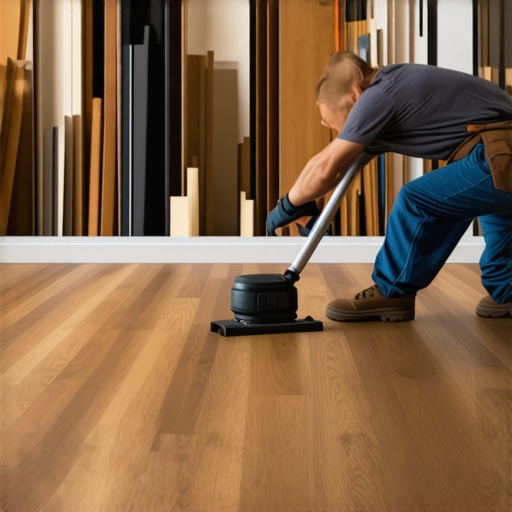
For hardwood floors, I recommend investing in a good floor buffer with a soft-bristle brush attachment. This is invaluable for buffing out minor scratches and restoring shine. When it comes to protecting your floors from future damage, I always keep a set of felt pads on furniture legs. This simple addition prevents scratches and gouges, especially in high-traffic areas.
Routine Maintenance and Long-Term Care
Regularly inspecting your floors is key. I schedule a quick visual check every month, focusing on high-traffic zones. Look for signs of wear, loose tiles, or scratches. Addressing minor issues early prevents them from escalating. Additionally, applying a high-quality floor polish or finish periodically, as recommended by your flooring manufacturer, helps maintain the protective layer and enhances durability.
Another crucial aspect is moisture control. For hardwood, maintaining humidity levels between 35-55% prevents the wood from expanding or contracting. I use a digital hygrometer to monitor moisture levels, especially in basements or climates with high humidity. For tiled floors, sealing grout lines annually prevents water infiltration and staining, which can cause long-term damage.
Tools for Scaling and Future-Proofing
As your flooring needs evolve, so should your tools. For larger projects or ongoing maintenance, investing in a professional-grade floor sander or buffer can streamline refinishing tasks. For instance, a drum sander is perfect for restoring hardwood floors, removing deep scratches, and preparing surfaces for refinishing. I recommend checking out expert strategies for durable finishes to guide your upgrades.
Looking ahead, I predict that automation and smart tools will become more integrated into flooring maintenance. IoT-enabled sensors can monitor moisture and wear patterns, alerting homeowners when maintenance is needed. This proactive approach minimizes damage and extends the lifespan of your floors.
How do I maintain my floors over time?
Consistent routine inspections, gentle cleaning, moisture control, and protective measures like furniture pads are your best strategies. Incorporating these habits and using the right tools will save you time, money, and frustration in the long run. Don’t forget to stay updated on innovative products and techniques—such as eco-friendly sealants or automated cleaning devices—that are shaping the future of flooring maintenance. For more advanced tips, explore this comprehensive guide and try implementing one new maintenance routine today to keep your floors looking pristine for years to come.
The Hardest Lesson I Learned About Floor Leveling
One of my most eye-opening experiences was realizing that rushing the leveling process can turn a simple project into a long-term nightmare. Proper curing time isn’t just a suggestion—it’s the foundation of durability. Skipping this step led me to repair cracks that could have been avoided, teaching me the importance of patience and precision from the start.
3 Myths About Floor Leveling That Held Me Back
Believing that all leveling compounds are equal or that a quick fix is sufficient for uneven surfaces can be tempting, but these myths often lead to failure. I discovered that choosing the right product—like a polymer-modified, fast-setting compound—makes all the difference in achieving a perfectly flat surface that lasts.
What Experts Won’t Tell You About Achieving Perfect Floors
Advanced techniques such as using laser levels for subfloor assessment or applying targeted grinding for minor dips are often overlooked. These subtle adjustments, when performed with care, can elevate your flooring project from good to exceptional, ensuring longevity and aesthetic appeal.
My Essential Toolkit for Floor Leveling
Tools like a long straightedge, gauge rake, and high-quality leveling compounds are indispensable. I trust products from industry-leading brands that I’ve personally tested, ensuring consistent results. For detailed guidance on choosing the right tools, visit this expert resource.
Where to Go from Here
Now that you understand the nuances of floor leveling, I encourage you to take action. Whether you’re a DIY enthusiast or a professional, applying these insights will help you create durable, beautiful floors that stand the test of time. Remember, mastery begins with patience and attention to detail.
Your Turn to Try
Have you ever struggled with achieving a perfectly level floor? Share your experiences or questions below—let’s learn and grow together in the pursuit of flawless flooring!
This post really hits home for me because I once inherited a hardwood floor that was so uneven, it squeaked loudly with every step. I learned the hard way that rushing through the leveling process can lead to all kinds of problems down the line, especially cracking and squeaks. I started by thoroughly inspecting the subfloor with a laser level, which made a huge difference in pinpointing the dips and high spots. Using a quality polymer-modified leveling compound and giving it plenty of curing time really paid off—my floors are now solid and smooth. Has anyone here experimented with different leveling compounds or underlayment materials? I’m curious about what’s worked best for durability in high-traffic areas, especially in older homes where subfloors can be particularly tricky.
Reading this post really emphasizes how crucial proper floor leveling is before any installation. I’ve been in the flooring business for over a decade, and one key thing I always stress to clients is the importance of precise surface assessment. In older homes, uneven subfloors can be a real challenge—yet I’ve found that addressing these issues early with high-quality leveling compounds and thorough surface prep really pays off in durability.
I agree with the point about curing time; rushing this step often leads to cracks or tiles shifting later. I’ve also experimented with different underlayment materials, especially in high-traffic areas. Personally, polymer-modified, fast-setting compounds combined with a robust underlayment seem to provide the best results in terms of longevity.
One question I have is, how do others handle moisture issues in subfloors, especially in basements or moisture-prone regions? Do you prefer any specific moisture barriers or sealants before applying the leveling compound to prevent future problems? Would love to hear community insights on this—sharing knowledge helps us all improve our craftsmanship!