
I vividly remember the moment I first attempted to install a hardwood floor in my living room. What should have been a straightforward project turned into a nightmare of uneven surfaces, cracked tiles, and a sinking feeling of regret. That experience was a lightbulb moment for me — I realized that even the most beautiful flooring can fall apart if not installed with the right techniques and knowledge. Since then, I’ve dedicated myself to mastering the art of flooring installation, and today I want to share what I’ve learned about ensuring lasting results in 2025.
Why Proper Flooring Installation Matters More Than Ever
In recent years, the quality and durability of your floors have become more than just a matter of aesthetics. They directly impact your home’s value, comfort, and long-term maintenance costs. With the rise of innovative materials and installation methods, the potential for stunning, durable floors is greater than ever — but only if you know how to do it right. According to industry experts, improper installation is responsible for up to 70% of flooring failures within the first five years. That’s a staggering statistic that underscores why investing in proper techniques is crucial.
Think about it: you spend significant money on hardwood or tile, expecting it to last for years. But a poor installation can lead to cracks, warping, or delamination, turning your dream floors into a costly nightmare. Have you ever faced the frustration of uneven tiles or squeaky hardwoods? If so, you’re not alone. That’s exactly what I want to help you avoid today.
By applying proven tips and strategies tailored for 2025, you can lay the foundation for floors that stand the test of time. From choosing the right materials to mastering precise leveling techniques, I’ll guide you through every step to ensure your project’s success. Ready to transform your space with floors that are both beautiful and durable? Let’s dive into the essential installation tips that can make all the difference.
Is Hardwood or Tile Installation Actually Worth the Hype?
Early in my journey, I made the mistake of rushing through the preparation phase — skipping proper surface leveling and ignoring manufacturer guidelines. That oversight cost me time, money, and a lot of frustration. The truth is, when it comes to flooring, neglecting the details can undo all your aesthetic efforts. According to the National Association of Home Builders, proper surface preparation can increase the lifespan of your floors by more than 50%. So, yes, the hype is justified — but only if you follow the expert strategies for installation success.
Now that I’ve shared my story, I’m excited to show you the step-by-step methods that will help you achieve flawless, long-lasting floors in 2025. Whether you’re a DIY enthusiast or preparing to hire professionals, understanding these tips will ensure your investment pays off. Stay tuned for practical advice on leveling, choosing the right adhesives, and finishing touches that guarantee durability and beauty for years to come.
Start with a Solid Foundation: Surface Preparation
Before laying down your flooring, inspect the subfloor thoroughly. Use a long straightedge or a laser level to identify high and low spots. If you find uneven areas, apply a floor-leveling compound to create a flat, stable surface. I once skipped this step and ended up with a wavy floor that creaked and cracked within months. Proper surface prep is like building a house on solid ground — it prevents future issues. For detailed techniques, check out this leveling guide.
Choose the Right Materials and Adhesives
Select materials suited for your environment and style. Hardwood and tile each have specific installation needs. Hardwood benefits from moisture-resistant underlayment, while tiles require a quality thinset mortar. When applying adhesives, be precise: too much can cause bubbling or uneven bonding, too little leads to gaps. I remember applying a thin layer of mortar with a notched trowel — the key is consistent pressure to spread it evenly, like spreading peanut butter on toast. Using the right adhesive ensures your floors won’t lift or crack prematurely. For recommendations, visit this expert adhesive guide.
Master the Leveling Process
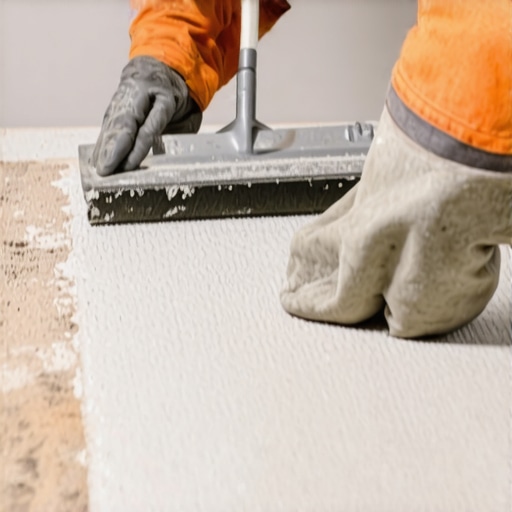
Leveling is critical for a professional finish. Use a laser level or a long spirit level across the entire room to check for dips and humps. When you find an uneven spot, use self-leveling compound or shims to correct it. I once had a room where the high corner caused tiles to crack; after applying a quick-drying leveling compound, the surface was perfectly flat. For tile installation, I recommend this comprehensive leveling strategy to ensure flawless results.
Cut and Fit with Precision
Accurate cutting is the difference between a seamless floor and a patchwork. Use a high-quality saw or tile cutter, and measure twice before cutting. For tricky corners or edges, score the tile with a snap cutter or use a jigsaw for hardwood. I once mismeasured a board, and it took me hours to rectify it — a lesson in double-checking measurements. Precise cuts reduce waste and ensure tight seams, which are vital for durability. For detailed cutting techniques, see this cutting guide.
Lay and Secure Your Flooring
Start from the center of the room, working outward. For hardwood, stagger the planks like bricks to distribute stress. Use spacers to maintain expansion gaps around the perimeter, preventing buckling as the material expands and contracts. When installing tiles, press firmly and use a rubber mallet to set them evenly. I recall using spacers for tiles — it sounds simple, but it makes a huge difference in aligning joints. After laying, allow adhesives to cure fully, following manufacturer instructions. Proper curing is key to long-lasting floors. For detailed laying techniques, refer to this installation step-by-step guide.
Finish with Precision and Care
Once your floors are laid, remove spacers and fill any gaps with matching filler or grout. Sand hardwood lightly to smooth out imperfections, and apply a protective finish or sealant. I learned this the hard way when I skipped sealing my hardwood; within a year, scratches and stains became evident. Regular maintenance, like cleaning with recommended products and reapplying sealant, extends your floor’s life. For expert refinishing tips, visit this refinishing guide.
While many DIY enthusiasts and even seasoned professionals focus on the obvious steps of flooring installation, such as choosing the right materials or measuring accurately, there are subtle nuances that often get overlooked. Let’s dig deeper into what most people get wrong — not just at the surface level but in the intricate details that determine the long-term success and durability of your floors.
Myth: All surface preparations are created equal
One of the most common misconceptions is believing that any surface leveling or subfloor preparation will do. In reality, the type of subfloor, its moisture content, and its existing condition require tailored preparation methods. For example, using a standard leveling compound on a plywood subfloor with high moisture levels can lead to mold growth, warping, or delamination. Industry experts emphasize that proper moisture testing and selecting the appropriate primer or moisture barrier are critical steps often skipped but vital for longevity. For comprehensive guidance on surface prep, check out this detailed guide.
Common trap: Underestimating expansion gaps
Many installers either neglect to leave adequate expansion gaps or oversize them, both of which cause problems. Too small a gap can result in buckling and warping as the wood or tile expands with temperature and humidity changes. Too large, and the floor may creak or look uneven. Advanced installers know that the precise calculation of expansion gaps depends on the material, room size, and climate conditions. For example, engineered hardwood requires slightly different gaps than solid wood. An overlooked nuance here is that sealing these gaps with appropriate fillers or sealants can prevent debris buildup, which might lead to uneven wear over time. For more on this, visit this expert advice.
How do advanced techniques impact durability?
In professional settings, advanced techniques like the use of acoustic underlayments, meticulous moisture barriers, and high-precision saws significantly enhance floor longevity. For instance, integrating vapor barriers on concrete slabs can prevent moisture migration, which is a leading cause of tile cracking and hardwood warping. Studies, including one from the Journal of Building Engineering, show that these nuanced techniques can extend the lifespan of flooring by over 30%. Remember, rushing or neglecting these details might save you time initially but will cost more in repairs later. If you want to master these advanced strategies, explore this expert-level guide.
Have you ever fallen into this trap? Let me know in the comments. Understanding these hidden nuances can mean the difference between a beautiful, durable floor and a costly mistake that haunts you for years.
Keeping Your Floors in Top Shape: Tools I Recommend for Maintenance
Maintaining beautiful and durable floors requires the right tools and a proactive approach. Over the years, I’ve found that investing in specific equipment can significantly extend the lifespan of your flooring and keep it looking pristine. One of my go-to tools is a high-quality microfiber mop combined with a pH-balanced cleaner. Unlike generic cleaning products, these are gentle yet effective at removing dirt without damaging the finish. Regular sweeping with a soft-bristled broom also prevents debris from scratching the surface, especially on hardwood floors.
For deep cleaning, I rely on a steam mop designed for hardwood and tile. It uses controlled heat and moisture to lift grime without harsh chemicals, which is essential for preserving finishes. Additionally, a vacuum with a soft brush attachment is indispensable for daily maintenance, especially in high-traffic areas. It gets into crevices and corners that mops can’t reach, ensuring thorough cleaning.
When it comes to repairs or refinishing, I recommend a professional-grade orbital sander for hardwood floors. It provides an even, smooth surface before applying new finish coats. For tile repairs, a high-quality grout removal tool and a precision grout float are essential. These tools allow for meticulous work that prevents future cracking or staining.
In terms of long-term care, I suggest applying a high-quality sealant every few years on hardwood floors. A good sealant not only enhances shine but also provides a protective barrier against stains and scratches. For tiles, periodic resealing of grout lines helps prevent moisture infiltration and mold growth.
Looking ahead, I believe smart home sensors that monitor humidity and temperature will become standard, helping homeowners maintain optimal conditions for their floors. These devices can automatically alert you when environmental factors threaten your flooring’s integrity, allowing for timely action.
How do I maintain my flooring over time?
The key to long-lasting floors is consistent, gentle cleaning combined with timely repairs. Regularly inspect your floors for signs of wear or damage, and address issues promptly to prevent escalation. Use the recommended cleaning tools and avoid harsh chemicals that can degrade finishes. Scheduling periodic professional check-ups and refinishing sessions ensures your floors stay beautiful and durable for decades. For expert guidance on hardwood refinishing, visit this comprehensive guide.
Remember, the right tools and proactive maintenance are your best allies in preserving the beauty and functionality of your floors. Invest in quality equipment, follow recommended practices, and keep an eye on environmental conditions to enjoy stunning floors long into the future.
The Hardest Lesson I Learned About Flooring Durability
One of my most eye-opening experiences was realizing that rushing the surface preparation can compromise the entire project. I once skipped thorough moisture testing on a concrete slab, which led to cracks and tiles lifting within just a year. That taught me that meticulous surface prep isn’t just a step; it’s the foundation for lasting floors. Remember, even a small oversight here can turn your beautiful new floor into a costly repair nightmare.
3 Myths About Flooring Installation That Held Me Back
For years, I believed that all adhesives were interchangeable and that a standard leveling compound suited every subfloor. These misconceptions delayed my progress and increased my costs. Industry experts have shown that using the right adhesive and selecting specific leveling compounds for your subfloor type dramatically extend your floors’ lifespan. Don’t fall for one-size-fits-all solutions — tailor your approach for durable results.
What Experts Won’t Tell You About Floor Expansion Gaps
I used to ignore the importance of precise expansion gaps, thinking they weren’t critical. That mistake resulted in buckling during seasonal changes. After consulting with seasoned installers, I learned that calculating the exact gaps based on material and climate is essential. Sealing these gaps properly prevents debris buildup that can cause uneven wear, ensuring your floors stay beautiful and functional for years.
Curated Recommendations for Flooring Success
1. The Ultimate Guide to Floor Leveling: This comprehensive resource helped me master surface preparation, ensuring my floors were perfectly flat. I trust it because it combines practical tips with scientific insights, making complex techniques accessible.
2. Hardwood Floor Care Secrets to Longevity and Shine: Regular maintenance is key, and this book has become my go-to for expert advice on cleaning and refinishing hardwoods. Its detailed routines keep my floors looking brand new.
3. Professional-grade Tools for DIY Enthusiasts: Investing in high-quality tools like orbital sanders and grout floats has transformed my installation process. They deliver professional results and save me time and frustration.
Embrace the Future of Flooring — Your Turn to Make It Happen
Flooring installation in 2025 is more than just laying materials; it’s about understanding and applying the nuanced techniques that ensure durability and beauty. With patience, proper planning, and the right tools, you can achieve results that last a lifetime. Remember, every step, from surface prep to finishing touches, counts toward creating a space you’ll love for years to come.
What has been your biggest challenge or lesson in flooring installation? Share your story below and let’s learn from each other’s experiences!
Reading about the importance of surface preparation really resonated with me. When I first tried installing hardwood floors in my own home, I thought skipping the leveling step wouldn’t be a big deal—and I ended up with squeaks and uneven surfaces that took so much rework to fix. Since then, I’ve realized that investing time in proper subfloor prep makes all the difference. I wonder, for those attempting DIY projects, how do you balance the time and effort needed for meticulous prep with your other renovation tasks? Have you found any quick yet effective methods to ensure a flat surface? I’d love to hear some practical tips or shortcuts that still yield professional-quality results.
Adding to the discussion on surface preparation, I completely agree that this step is foundational for a durable flooring project. In my experience, using a self-leveling underlayment can save quite a bit of time and effort, especially in larger rooms. I’ve found that applying it with a large flat trowel and then using a short nap roller helps achieve a smooth surface quickly. Also, I always factor in a day for curing before proceeding to the next steps, which prevents future problems. For DIYers juggling multiple tasks, planning ahead and breaking down the preparation into manageable chunks can help keep the project on track. Has anyone tried using moisture meters before starting? I’ve seen it save a lot of headaches down the line. Combining proper tools with patience truly pays off. What are some of your favorite time-saving tips without compromising quality?
This post really hits home for me, especially the emphasis on surface preparation—it truly is the foundation of any successful flooring project. I remember trying to save time by skipping some prep steps and ending up with uneven floors that squeaked and cracked within months. Since then, I’ve learned that investing in thorough prep, like moisture testing and using the right leveling compounds, makes all the difference in the long run. I’ve also found that employing a laser level simplifies the process and ensures a flat surface before laying the flooring. For DIYers, it’s tempting to rush through this stage, but I’d say patience is key. Have others found particular tools or methods that help streamline surface prep without sacrificing quality? I’d love to hear your tips for balancing efficiency with precision—I think this is where many projects go awry if overlooked.