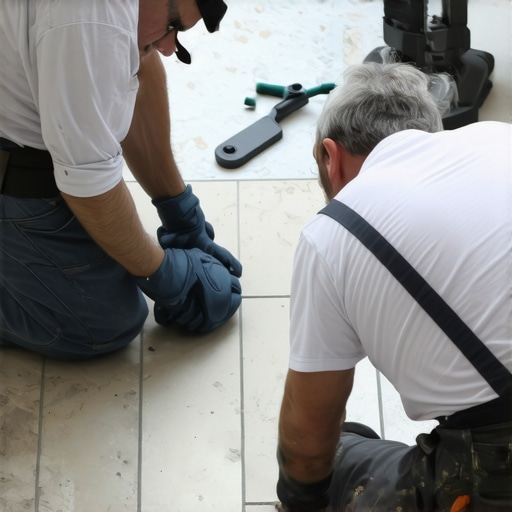
I remember the moment clearly. I had just finished installing new tiles in my living room, feeling proud of my work. But then, within a few months, I noticed cracks and uneven patches. That sinking feeling hit me—so much for a lasting finish. I realized I had skipped some crucial steps, and it cost me dearly. Since then, I’ve dedicated myself to mastering the art of tile and flooring installation, understanding that a proper foundation makes all the difference.
Why Proper Tile & Flooring Installation Matters
Many homeowners underestimate the importance of correct installation. It’s not just about laying materials; it’s about creating a durable, long-lasting surface that withstands daily wear and tear. Poorly installed floors can lead to costly repairs, uneven surfaces, and even safety hazards. According to industry experts, improper installation accounts for over 80% of flooring failures within the first five years. That’s a staggering statistic that underscores the need for proper techniques and knowledge.
Whether you’re a DIY enthusiast or hiring a professional, understanding the key principles of installation can save you time, money, and frustration. Today, I’ll share some of the most effective tips I’ve learned—tips that will help your floors look stunning and last for decades. Ready to elevate your flooring game? Let’s dive into the essentials and avoid the common pitfalls that can ruin your project before it even begins.
Common Mistakes That Sabotage Durability
Is Cutting Corners Worth It? Not When It Comes to Flooring
One mistake I made early on was rushing through the prep work. Skipping proper surface leveling or ignoring moisture barriers can cause long-term issues. For example, neglecting to level the subfloor can lead to uneven tiles or gaps that crack over time. I learned this the hard way, and now I always recommend following expert guidelines—like those found in floor leveling for lasting results.
Have you faced similar problems? If so, you’re not alone. Many homeowners discover that skipping detailed preparation costs more in repairs down the line. The good news is, with the right techniques and attention to detail, you can achieve a flawless, durable finish that stands the test of time. Ready to learn the proven steps that ensure lasting results? Keep reading, and I’ll guide you through the process.
Prepare the Surface Thoroughly
Start by removing all debris, old adhesive, and loose materials from the subfloor. Use a broom and a vacuum to ensure a clean work area. Next, check for levelness by placing a 4-foot straightedge across the surface. If you notice gaps or dips, address them with a self-leveling compound. I remember a time when I skipped this step and ended up with cracked tiles after a few months. To avoid this, follow expert guidelines like those in floor leveling for lasting results.
Apply a Moisture Barrier if Needed
If your subfloor is concrete or prone to moisture, lay down a high-quality moisture barrier. This prevents water vapor from seeping up and causing tiles to loosen or crack over time. I once installed tiles in a basement without a moisture barrier, and within a year, I faced bubbling and grout failure. That experience taught me the importance of this step, which is covered extensively in precise floor leveling techniques.
Plan Your Layout Carefully
Measure the space and plan your tile pattern before laying any adhesive. Use chalk lines to mark reference points. This ensures symmetry and minimizes cuts. I once started tiling without a clear plan, which resulted in awkward cuts and wasted materials. Planning saves time and material, and helps you maintain a professional look. For more layout tips, check tile installation pointers.
Use the Right Adhesive and Grout
Select a high-quality thin-set mortar suitable for your tile type and environment. Mix it according to manufacturer instructions to achieve the right consistency—neither too runny nor too stiff. During my first project, I used the wrong adhesive, which caused tiles to shift. Proper mixing and selection are crucial, as outlined in expert flooring installation tips. Apply the adhesive with a notched trowel, holding it at a 45-degree angle for even coverage.
Work in Small Sections
Lay tiles in manageable sections to prevent the adhesive from drying before you set the tiles. Use tile spacers for consistent joints. I recommend checking frequently with a level or straightedge to catch any unevenness early. When I rushed through a section, I ended up with uneven grout lines, which I had to fix later. Consistency is vital, and detailed work like this is explained in top tile & floor leveling tips.
Set Tiles Properly
Press each tile firmly into the adhesive, twisting slightly to embed it. Use a rubber mallet if needed to ensure full contact. Once set, tap lightly to level the surface. I learned this the hard way when a tile was slightly higher than its neighbor, causing a trip hazard. Regularly check with a level during installation, which is emphasized in expert strategies for durable results.
Allow Proper Curing Time
Let the adhesive cure for at least 24 hours before walking on the surface or applying grout. Protect the tiles from foot traffic and vibrations during this period. Rushing this step can lead to shifting or cracking. I once started grouting too soon and had to redo the work, which added days to my project. Follow curing guidelines in top flooring installation tips.
Finish with Quality Grouting and Sealing
Apply grout with a rubber float, pressing it into the joints at a 45-degree angle. Wipe off excess grout with a damp sponge before it dries. Once cured, seal the grout to prevent staining and moisture ingress. I’ve seen neglected grout turn dark and crumbly over time, which diminishes the look and longevity of your floor. Proper sealing is discussed in hardwood & tile care secrets.
Let’s dig deeper into the nuances of tile and flooring installation that often trip up even experienced DIYers and contractors. While many focus on the basics, such as surface preparation and choosing the right materials, there are subtler pitfalls that can compromise the longevity and appearance of your floors. Understanding these advanced details can save you from costly mistakes and help you achieve professional-quality results.
Challenging the Myth: More Adhesive Means Better Bonding
A common misconception is that applying a thicker layer of adhesive ensures a stronger bond. In reality, over-application can lead to uneven setting and trapped air pockets, which weaken the adhesion over time. The key is to use the appropriate amount of thin-set mortar, applied with a notched trowel to achieve uniform coverage. Expert installers know that technique and consistency matter more than raw quantity. For a comprehensive guide, check expert tips on flooring installation.
The Oops Factor: Ignoring Expansion Gaps
Many homeowners overlook the importance of expansion gaps, especially in larger rooms or areas with significant temperature fluctuations. Failing to leave adequate space can cause tiles or hardwood planks to buckle or crack as materials expand and contract. This is a subtle but critical detail often underestimated. I once saw a beautifully tiled floor develop cracks after just one winter because the gaps weren’t planned properly. Remember, the difference between a durable floor and a problematic one often lies in these small but vital gaps. Learn more about proper layout planning in tile installation pointers.
Advanced Question: How Do You Achieve a Level Surface on Irregular Subfloors?
For those with uneven or damaged subfloors, the challenge isn’t just about leveling but doing so without introducing new problems. Many assume that using self-leveling compounds alone is enough, but improper application can lead to further unevenness or shrinkage cracks. The secret is to combine meticulous surface assessment with strategic use of multiple leveling techniques, such as mechanical grinding, shimming, and polymer-modified compounds. According to industry experts, integrating these methods results in a stable, perfectly flat surface that preserves the integrity of the installed flooring. For detailed strategies, see floor leveling techniques.
Have you ever fallen into this trap? Let me know in the comments. Mastering these nuanced details can elevate your installation from good to great, ensuring your floors last for decades rather than years.
Keeping your tile and flooring installations in top shape over the years requires more than just proper initial setup; it demands the right tools and consistent maintenance. Investing in quality equipment and adopting strategic habits will ensure your floors remain durable and beautiful for decades. As trends evolve, the focus is shifting towards smart tools that enhance precision and efficiency, such as laser levels and digital moisture meters, which I personally use to guarantee flawless results every time.
Why I Trust Laser Levels for Precision
Laser levels have become indispensable in my toolkit. Unlike traditional bubble levels, laser levels project straight lines across large surfaces, making it easy to align tiles or hardwood planks accurately. I rely on a high-end laser level like the Bosch GLL 3-80 for its versatility and durability. This tool not only saves time but also significantly reduces errors, especially in expansive areas where manual leveling can be challenging. For more about achieving perfect level surfaces, check out the ultimate guide to floor leveling.
Moisture Meters: Protecting Your Investment
Moisture meters are critical for diagnosing potential issues before installation, especially in concrete or wood subfloors. I recommend a pin-type moisture meter like the Wagner MMC220, which provides accurate readings and helps prevent future problems like grout cracking or tile lifting caused by trapped moisture. Regularly testing subfloor moisture levels ensures your flooring remains stable over time. The future of tools points towards integrated sensors and IoT-enabled devices that can continuously monitor environmental conditions, simplifying maintenance.
Power Tools for Efficient Cutting and Preparation
High-quality power tools like wet saws, oscillating multi-tools, and floor sanders are essential for preparing surfaces and cutting materials with precision. I prefer the DEWALT DWE305 oscillating tool for its reliability and multiple attachment options, which streamline tasks like grout removal and surface smoothing. Proper maintenance of these tools, such as regular blade replacement and cleaning, prolongs their lifespan and ensures consistent performance. For detailed surface prep techniques, visit precise floor leveling techniques.
Long-Term Maintenance: Sealing and Cleaning
Once your floors are installed, routine maintenance becomes key. Sealing grout lines and tiles helps prevent staining and moisture ingress. I use a penetrating sealer from Miracle Sealants because it offers long-lasting protection without altering the appearance of the tiles. Regular cleaning with pH-neutral solutions preserves the finish and prevents buildup of damaging residues. For professional tips, see hardwood & tile care secrets.
How do I maintain my floors over time?
Establish a routine that includes checking for signs of wear, resealing grout annually, and promptly addressing any damage. Keep heavy furniture on pads to avoid scratches and avoid harsh chemicals that can degrade surface coatings. Investing in a good-quality vacuum cleaner with a soft brush attachment will help keep debris off your floors without causing damage. As technology advances, expect future tools to incorporate AI-driven diagnostics and automated maintenance alerts, making long-term care even simpler.
Try incorporating a digital moisture meter into your regular inspections or upgrading your power tools with smarter features. These small changes can extend the life of your floors and maintain their beauty effectively. Remember, proper tools and consistent maintenance are the backbone of a lasting, stunning floor.
The Hardest Lesson I Learned About Tile and Flooring Durability
One of my most valuable lessons was understanding that rushing the surface preparation can severely compromise your project’s longevity. I once skipped leveling the subfloor thoroughly, thinking it wouldn’t matter much. The result? Cracks and uneven tiles within months. This experience taught me that meticulous prep work is the foundation of lasting floors, and no shortcut can replace attention to detail.
3 Myths About Flooring Installation That Held Me Back
Initially, I believed that applying more adhesive would create a stronger bond. I also thought expansion gaps were optional in small rooms, and that self-leveling compounds alone could fix every uneven surface. These misconceptions led to costly mistakes. Learning the truths—like proper adhesive application, the importance of expansion gaps, and combining leveling techniques—transformed my approach and saved me time and money.
What Experts Won’t Tell You About Long-Lasting Floors
Many seasoned professionals keep a few tricks up their sleeves, such as the importance of using laser levels for perfect alignment and moisture meters to prevent future issues. They also emphasize ongoing maintenance, like resealing grout annually. Embracing these expert strategies has helped me achieve floors that look great for decades, proving that continuous learning and quality tools are key to long-lasting results.
Curated Resources That Changed How I View Flooring Projects
– Ultimate Guide to Floor Leveling: An essential resource for understanding surface preparation and leveling techniques, helping me avoid common pitfalls.
– Precise Floor Leveling Techniques: Offers detailed strategies for achieving perfectly flat surfaces, which is crucial for durability.
– Expert Flooring Installation Tips: A collection of insights from industry pros that elevates my installation skills and confidence.
– Hardwood & Tile Care Secrets: Guides me on maintenance routines that extend the life and beauty of my floors.
Your Turn to Try: Elevate Your Flooring Game
Now that you have these insider lessons and trusted resources, it’s time to take action. Remember, the key to a durable, stunning floor lies in proper preparation, quality materials, and continuous care. Whether you’re a DIY enthusiast or hiring a professional, applying these insights will help ensure your floors stand the test of time. Don’t be afraid to experiment, learn, and perfect your craft—your dream floor is within reach!
What has been your biggest challenge in flooring installation, and how did you overcome it? Share your experiences below—I’d love to hear your story!