
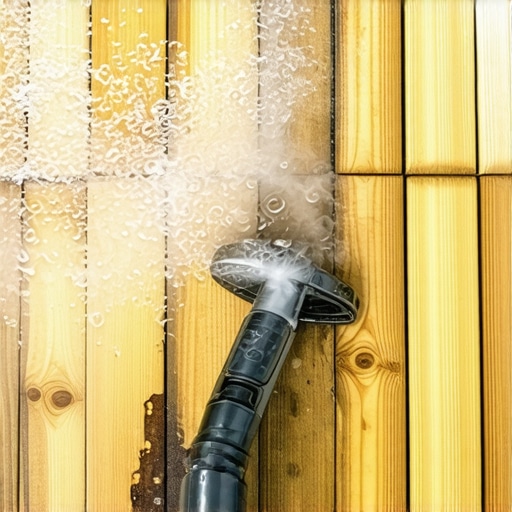
I remember the moment vividly. I was standing on my newly installed bamboo floor, steam cleaner in hand, thinking, “This will make everything sparkle!” But within seconds, I saw the cloudy haze appear, and my heart sank. It was like watching my investment vanish before my eyes. That day marked a lightbulb moment for me and a lesson I wish I had learned earlier.
The Hidden Dangers of Steam Cleaning Bamboo Floors
Imagine pouring time, effort, and money into beautiful bamboo flooring only to damage it with an appliance meant to make things easier. I quickly learned that bamboo is especially sensitive to excessive moisture and heat—precisely what a steam cleaner emits. Many folks trust steam cleaners for their convenience, but when it comes to bamboo, this tool can be more harmful than helpful.
Unlike traditional hardwood, bamboo’s porous structure makes it vulnerable to water penetration. Steam cleaners produce high-temperature vapor that can seep into the bamboo, causing swelling, warping, and even mold growth if not properly dried. Early on, I made the mistake of assuming that steam cleaning could be a quick fix for stubborn stains. Instead, I ended up with permanent damage that required costly repairs.
In fact, experts warn that the moisture from steam can weaken bamboo fibers over time, leading to surface bubbling, discoloration, or splintering. According to a study by the National Wood Flooring Association, excessive humidity and heat compromise the integrity of bamboo floors, accelerating deterioration.
Are you facing similar frustration with your bamboo floors? Have you ever wondered if that steamer is doing more harm than good? You’re not alone. Many homeowners discover too late that their trusty steam cleaner is a villain in disguise.
Let’s explore why avoiding steam cleaning on bamboo is crucial, and how you can keep your flooring in pristine condition without risking permanent damage. Ready to learn the safer, smarter way to care for your bamboo floors? Stick around, because what comes next can save you from costly mistakes and help your floors last for decades.
Prevent Moisture Damage with Proper Cleaning
Start by avoiding steam cleaners altogether on bamboo floors. Instead, use a damp microfiber mop, wringing out excess water to prevent excess moisture from seeping into the porous bamboo. When tackling stubborn spots, opt for a gentle cleaner specifically formulated for bamboo or hardwood, applying it with a soft cloth. Remember, moisture is your floor’s enemy—keep it minimal to preserve the finish and prevent swelling.
Implement Regular Dusting and Sweeping
Daily dusting with a soft broom or microfiber cloth helps prevent abrasive particles from scratching the surface. Use a vacuum with a soft brush attachment weekly to reach between planks, especially in high-traffic areas. This routine ensures debris doesn’t accumulate and cause micro-scratches or dullness that can be mistaken for damage, enabling you to identify issues early and maintain a pristine appearance.
Use Protective Pads and Rugs
Place felt pads under furniture legs to prevent scratches when moving items. In entryways and high-traffic zones, use rugs with non-slip pads to absorb impact and dirt, reducing wear. This proactive step minimizes the need for refinishing or repairs later and keeps your bamboo looking like new for years.
Address Spills and Stains Immediately
If liquids spill, blot them promptly with a soft, dry cloth. Do not wipe with a wet cloth or leave spills to dry, as prolonged exposure to moisture can cause warping. For stains, use a bamboo-specific cleaner recommended by the manufacturer. Quick responses prevent moisture from penetrating and causing lasting damage, a lesson I learned from a messy coffee spill that could have been disastrous if ignored.
Control Indoor Humidity Levels
Maintain humidity levels between 40-60% using a dehumidifier or humidifier as needed. Excessive dryness can cause bamboo to shrink and develop gaps, while high humidity leads to swelling. Use a hygrometer to monitor levels. Consistent climate control helps prevent the flooring from expanding or contracting, which can lead to warping or cracking over time.
Schedule Professional Inspections and Maintenance
Every few years, have flooring specialists evaluate your bamboo floors. They can identify issues like uneven wear, structural shifts, or minor damages before they become expensive fixes. Regular inspections also include refinishing or resealing, which prolongs the life of your finish and maintains the aesthetic appeal. Remember, proactive care often costs less than reactive repairs—think of it like tuning up a car before it breaks down.
Ensure Proper Installation and Subfloor Preparation
Proper installation is the foundation of long-lasting bamboo flooring. Verify that the subfloor is level, dry, and clean before laying down planks. Use professional-leveling techniques to avoid uneven surfaces that can lead to stress and cracking down the line. Investing in correct installation, including precise leveling, ensures your floors remain smooth and durable. For detailed guidance, check out floor leveling fundamentals or techniques for flawless surfaces.
Control Foot Traffic and Maintenance Practices
Limit heavy foot traffic or wear-inducing activities in sensitive areas, and rotate furniture periodically to prevent sacrificial wear spots. When moving heavy items, lift rather than drag to avoid scratches. Maintain a cleaning schedule that prevents dirt buildup, and avoid shoe spikes or cleats indoors. These steps, taken consistently, can dramatically extend the lifespan of your bamboo floors and preserve their beauty.
By integrating these concrete actions—regular cleaning, moisture control, protective measures, and proper installation—you can keep your bamboo floors beautiful and damage-free for decades. For more advanced tips, explore hardwood floor care secrets and deepen your maintenance mastery.
Many homeowners believe that pouring concrete substrate and simply laying tiles or hardwood will guarantee a perfect finish. However, this oversimplification conceals the critical nuances that determine long-term durability. For instance, one widespread misconception is that floor leveling isn’t crucial if the subfloor looks flat; in reality, minor deviations over a large area can cause uneven tile grout lines or squeaking floors. Proper leveling with advanced techniques ensures a seamless surface that withstands years of wear. Experts warn that skipping these steps can lead to cracks and delamination, as noted by professionals who specialize in flooring installation. Have you ever fallen into this trap? Let me know in the comments.
Why Do People Overlook the Importance of Subfloor Preparation?
A common oversight is neglecting the subfloor’s moisture content and structural integrity before installation. Many assume that a dry, structurally sound subfloor is a given, but in reality, undetected moisture or slight warping can cause tiles to lift or hardwood planks to cup over time. The secret lies in thorough testing and correct pre-treatment, like ensuring proper vapor barriers, especially in basements or humid climates. According to a study in building science, improper moisture management is a leading cause of flooring failure. Don’t underestimate the tiny details—they can make or break your project. For comprehensive guidance, check out https://tiletrendshop.com/the-ultimate-guide-to-floor-leveling-for-a-perfect-finish.
How Many Mistakes Are Made During Installation That Cost You Later
It’s tempting to think that speed and cost-cutting don’t impact quality, but this is often a costly lie. For example, rushing the curing time of leveling compounds can result in cracking and uneven surfaces. Similarly, using incompatible adhesives or insufficient preparation of tile joints leads to grout efflorescence or tile cracking. These mistakes are silent killers of flooring longevity. Advanced professionals emphasize precise technique, such as proper mixing of leveling compounds (see https://tiletrendshop.com/the-mixing-bucket-rule-why-your-floor-leveler-is-full-of-bubbles), and meticulous surface prep, which ultimately saves time and money. Remember, flooring is an investment—skip the basics at your peril. Want to master these skills? Visit https://tiletrendshop.com/mastering-floor-leveling-pro-secrets-for-perfect-installations.
Integrating these insights challenges common beliefs and highlights essential practices overlooked by many. Mastering the nuances of floor installation—like ensuring 100% levelness, managing moisture levels, and choosing compatible materials—can dramatically improve your project’s outcome. Dive deeper into advanced tips and avoid the typical pitfalls that even seasoned DIYers encounter. Proper knowledge not only safeguards your investment but also elevates your home’s elegance and functionality. If you’re serious about achieving flawless results, it’s worth revisiting every step of the process with a critical eye.Maintaining your tile, hardwood, or bamboo floors requires the right equipment and consistent care. Personally, I rely on a combination of professional-grade tools and specific methods to ensure my floors stay pristine over the years. One essential piece of equipment I’ve found invaluable is a moisture meter, particularly the Protimeter Surveymaster, which helps me continually monitor subfloor conditions before and after installation, aligning with the best practices outlined in https://tiletrendshop.com/why-most-waterproof-flooring-still-needs-a-vapor-barrier. For cleaning, a high-quality microfiber mop like the Bona Microfiber Floor Mop ensures dirt and debris are lifted without scratching the surface, while a damp-but-not-wet approach is crucial to prevent long-term moisture issues on bamboo or hardwood. I personally avoid harsh chemicals, opting instead for pH-balanced cleaners tailored for wood or tile, which preserves the finish. When it comes to refinishing hardwood floors, I recommend a dual-action sander equipped with grits from 60 to 120, to smooth out surface imperfections and prepare for resealing. Regularly inspecting your floors with a flashlight can reveal micro-scratches or uneven spots that, if addressed early, extend the lifespan of your flooring. The future of flooring maintenance will increasingly incorporate smart technology, such as IoT moisture sensors and app-controlled humidity levels, simplifying long-term care. How do I maintain my flooring over time? I schedule biannual professional inspections to catch issues like warping or sealant wear early. This proactive approach is supported by experts from https://tiletrendshop.com/mastering-hardwood-floor-refinishing-expert-tips-for-2025, emphasizing that routine maintenance and timely refinishing are key to enduring beauty. For a hands-on tip, try applying a urethane-based sealant with a high-quality brush to high-traffic or prone-to-water exposure areas—this provides a durable, liquid-resistant barrier. Investing in these precise tools and following consistent maintenance routines can drastically improve the longevity of your flooring, saving you money and enhancing your home’s aesthetic. Keep these strategies in mind, and your floors will reward you with decades of elegance and function.
Lessons I Won’t Forget About Flooring Care
- Never underestimate the power of proper subfloor preparation; skipping this step is a one-way ticket to cracks and squeaks. Investing time in leveling and moisture testing saved me from costly repairs down the line.
- Moisture is your silent enemy—using a moisture meter before and after installation helps catch issues early, ensuring your bamboo remains stable and beautiful for decades. Regular monitoring became a game-changer for my peace of mind.
- Despite the allure of quick cleaning methods, steam cleaners are disasters waiting to happen on bamboo floors. Instead, I rely on gentle, damp microfiber mops to keep the surface pristine without risking damage.
- Thoughtful furniture placement and protective pads can dramatically extend the lifespan of your bamboo flooring. Small details, like felt pads, prevented micro-scratches that would have marred the surface over time.
- Controlling indoor humidity isn’t just for comfort—it’s essential for flooring health. Maintaining 40-60% humidity with a hygrometer has preserved my floors’ integrity through seasons.
Tools and Resources That Changed My Approach
- Moisture meters like Protimeter Surveymaster: I trust this device to provide accurate moisture readings, helping me avoid installation mishaps. Proper moisture management is the foundation of durable flooring.
- Bona Microfiber Floor Mop: Gentle but effective, this mop ensures debris is lifted without scratching, keeping my bamboo shiny and scratch-free.
- Hardwood floor care guides from trusted sources: Reading expert advice, like those available at Hardwood Floor Care Secrets, empowered me to tackle maintenance confidently and extend my floors’ lifespan.
- Environmental controls with humidifiers and dehumidifiers: Investing in climate tools made a noticeable difference, protecting my floors from seasonal shifts and preventing warping.
Your Next Step Toward Flooring Mastery
I wholeheartedly believe that mastering the essentials of bamboo flooring—like proper installation, moisture control, and gentle cleaning—can transform the way your space looks and feels. Don’t wait for problems to arise; instead, let these insights guide your next project and turn your home into a centuries-lasting haven of beauty and stability. Curious about advanced tips? Explore refinishing secrets for hardwood floors to elevate your skills even further.
What has been your biggest flooring challenge, and how did you overcome it? Share your story below—I love learning from fellow enthusiasts!