Have you ever laid down a new tile floor only to find it wobbly, uneven, or cracking within a few months? I sure have. I vividly remember my first attempt at tiling my kitchen. I was so eager to transform the space that I skipped the crucial step of properly leveling the floor. The result? A nightmare of cracked grout lines and tiles that refused to stay flat. That lightbulb moment taught me a hard lesson—skipping the right prep work can ruin your entire project. But here’s the good news: with some solid guidance, you can avoid my mistakes and achieve a professional finish that lasts for years. Today, I’ll walk you through everything you need to know about floor leveling and tile installation in 2025, so you can finally get it right the first time.
Why Your Floor Leveling Matters More Than You Think
When I first started learning about flooring, I thought the fun part was picking out the tiles or hardwood. Turns out, the foundation—literally—can make or break your entire project. An uneven floor causes tiles to crack, grout lines to shift, and can even lead to squeaky, unstable surfaces. According to industry experts, improper leveling is among the top causes of lasting flooring failures. This isn’t just about aesthetics; it’s about durability and safety too. If your floor isn’t perfectly flat, you risk wasting time, money, and effort fixing issues down the road. Trust me, investing in proper leveling techniques now saves you from headaches later. Whether you’re installing ceramic tiles, porcelain, or hardwood, mastering the art of floor prep is your secret weapon for a lasting, beautiful result. Curious about the best methods? I’ll share some game-changing tips that I’ve learned from years of hands-on experience and industry advice.
Have You Faced This Common Problem?
Maybe you’ve already struggled with uneven tiles or cracked grout, or perhaps you’re just worried about making costly mistakes early on. Either way, you’re not alone. Many DIYers and even seasoned pros overlook the importance of precise floor leveling. Early on, I made the mistake of rushing through the subfloor preparation, thinking it was just a tedious step. That mistake cost me dearly, and I learned the hard way that thorough leveling is non-negotiable. For a foolproof approach, I recommend checking out the comprehensive guide on floor leveling techniques. It’s packed with expert tips and step-by-step strategies to ensure your surface is perfectly smooth and ready for tile or hardwood. Ready to dive into the practical steps that will make your project a success? Let’s get started with the essentials to ensure a professional, lasting finish in 2025.
Start with a Solid Subfloor
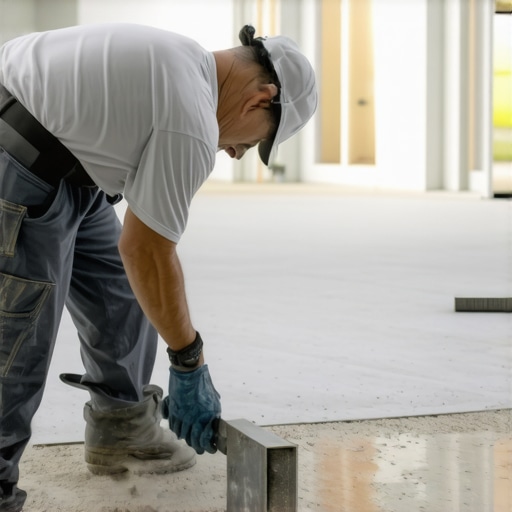
My first real success in floor leveling came when I decided to replace a warped plywood subfloor in my laundry room. I removed the old material, then used a high-quality self-leveling compound to fill in the uneven spots. I poured the mix slowly, like a slow-moving syrup, and used a long trowel to spread it evenly. After it dried, I checked with a long level and was amazed at how perfectly flat the surface was—ready for tile. This initial step is crucial because a stable base prevents future cracks and shifts. For detailed guidance, check out the ultimate guide to floor leveling and ensure your subfloor is as flat as possible before proceeding.
Use the Right Tools and Materials
Equipping yourself properly makes a big difference. I always keep a high-quality trowel, a long straightedge, and a reliable spirit level nearby. When I leveled my floor, I used a 4-foot straightedge to quickly identify high and low spots. I also invested in a good self-leveling compound that flows easily and cures quickly. Remember, the key is consistency—using the right tools ensures your surface stays uniform. For the best results, explore precise leveling techniques to perfect your approach.
Prepare the Surface Properly
Before applying any leveling compound, I scrubbed the subfloor thoroughly to remove dust, grease, and debris. I then primed the surface with a bonding agent recommended by the manufacturer. This step is like preparing a canvas before painting—it ensures the new layer adheres well. Skipping this can lead to delaminating or uneven surfaces. I learned this the hard way when my first attempt failed because I overlooked proper surface prep. For comprehensive tips, see the floor leveling guide.
Mix and Pour with Precision
Mixing the leveling compound correctly is vital. I followed the manufacturer’s instructions carefully, measuring water precisely and stirring until I achieved a smooth, pourable consistency. When pouring, I worked in small sections, pouring slowly from one end of the room to the other, like a slow-moving river. I then used a gauge rake to spread the compound evenly and eliminate air bubbles. This step took patience, but it paid off with a flat, durable surface. For additional insights, review tile installation pointers.
Let It Cure and Check Your Work
After pouring, I allowed the compound to cure undisturbed—usually 24 to 48 hours—before walking on it or installing tiles. During this time, I kept the room free of foot traffic and humidity fluctuations. Once cured, I used a long level and straightedge to verify the flatness. Any minor imperfections can be sanded or patched with additional leveling compound if needed. This final check ensures your surface is ready for the aesthetic and functional phase of tile installation. For advanced techniques, visit expert leveling tips.
Proceed to Tile Installation
With the floor perfectly flat, I moved on to layout planning and tile setting. I laid out tiles without adhesive first, to confirm the pattern and minimize cuts. When I adhered the tiles, I used a high-quality thinset mortar, applying it with a notched trowel, and pressed each tile firmly into place. I used spacers to keep grout lines even, and checked alignment frequently. Proper leveling of the subfloor made this process much easier; tiles laid on a flat surface stay flat and require fewer adjustments later. For detailed steps, see the tile installation step-by-step guide.
Final Tips for Lasting Results
Patience and attention to detail are your best friends. Always double-check your work at each stage, and don’t rush the curing process. Remember, a well-leveled subfloor is the foundation for durable, beautiful tiles that last decades. If you want to explore further, the expert strategies will help you refine your skills and avoid common pitfalls. Now that you’re equipped with these concrete steps, your 2025 tile project will stand the test of time, combining beauty with resilience.
While many DIY enthusiasts and even some professionals focus on the obvious steps of floor leveling, such as using the right tools and materials, there’s a less discussed nuance that can make or break your project’s durability and aesthetic appeal. Let’s dig deeper into what most people get wrong about floor leveling, especially when it comes to high-stakes projects like tile or hardwood flooring. One common myth is that if the surface feels flat to the touch, it’s good enough. However, subtle imperfections below the surface can cause long-term issues, including cracked tiles or squeaky floors.
In my experience, a critical mistake is neglecting the moisture content and stability of the subfloor before applying leveling compounds. Many skip this step, assuming that the subfloor’s surface is dry and stable, but in reality, moisture can cause the leveling compound to fail over time, leading to uneven settling or warping. According to industry experts, such as in the ultimate guide to floor leveling, testing and controlling moisture levels before leveler application is essential for long-lasting results.
Another trap is relying solely on self-leveling compounds without addressing underlying issues. For instance, if the subfloor has structural problems like sagging or excessive flex, leveling alone won’t fix these foundational flaws. You need to strengthen or replace compromised areas before leveling. Failure to do so can result in a surface that’s superficially flat but prone to failure under load or environmental changes.
Advanced practitioners often ask: How can I ensure my floor will stay flat over decades? The secret lies in thorough surface prep, including proper priming, moisture testing, and addressing structural concerns first. It’s tempting to think that a simple pour of leveling compound is enough, but as I’ve learned, comprehensive preparation is what turns a good project into a great one. For a detailed breakdown of these advanced steps, visit expert strategies.
Have you ever fallen into this trap? Let me know in the comments. Remember, mastering the nuances of floor leveling isn’t just about making things look good now—it’s about ensuring your floors last for years without issues.
Maintaining the integrity of your freshly leveled floors requires more than just initial setup; it demands the right tools and a proactive approach to upkeep. Over the years, I’ve refined my toolkit to include specific items that help ensure lasting results, especially when working with complex surfaces like tile and hardwood. One indispensable tool I rely on is a high-precision digital moisture meter. This device helps me regularly check moisture levels in subfloors before and after installation, preventing issues like warping or delamination that can compromise your work over time. For example, moisture fluctuations are a common cause of tile cracking, as detailed in the ultimate guide to floor leveling. Regular moisture testing with a reliable meter keeps my projects durable and long-lasting.
Another critical tool in my arsenal is a quality long-handled straightedge, usually 4 to 6 feet in length. I use it consistently to verify flatness during curing and after the initial pour, making sure no high or low spots develop over time. This simple yet effective check helps me catch issues early, allowing me to make minor adjustments before they escalate. Pairing this with a good spirit level ensures that my surface remains true and ready for the next phase. Investing in these tools pays off, as they foster precision and confidence in your work, which is essential for long-term durability.
Beyond tools, establishing a regular maintenance routine is essential. For hardwood floors, I recommend using specialized cleaning products that do not damage the finish or cause buildup, like those suggested in hardwood floor care secrets. For tiles, sealing grout lines every few years helps prevent water infiltration and staining, preserving the surface’s integrity. These small efforts extend the lifespan of your flooring and keep it looking pristine for decades.
Looking ahead, I believe the trend in floor maintenance will lean heavily toward smart technology. Moisture sensors integrated into subfloors or flooring systems could provide real-time data, alerting homeowners to potential issues before they become visible. Companies are already exploring IoT-enabled sensors that communicate via smartphone apps, which could revolutionize how we care for our floors. Incorporating such tech into your maintenance routine might seem advanced now, but it’s a promising direction for ensuring your floors stay level and beautiful long-term.
How do I maintain my floors over time?
The key to lasting floor levels is consistent monitoring and gentle cleaning. Regularly check moisture levels and structural stability, and address minor issues promptly. Use appropriate cleaning products tailored to your flooring type, and avoid harsh abrasives that can damage surfaces. Sealing grout lines and applying protective finishes also protect your investment. Remember, a well-maintained floor not only looks better but also retains its levelness and durability far longer. For a comprehensive guide on hardwood floor care, see hardwood floor care secrets. Try integrating a moisture meter into your routine and see how it helps you catch potential problems early, ensuring your flooring remains flawless for years to come.
Lessons That Changed My Approach to Floor Leveling
- My biggest breakthrough was realizing that even minor undulations can cause major issues later. Paying attention to the subfloor’s moisture content early on saved me from cracked tiles and squeaky floors.
- Skipping surface prep is tempting when you’re eager to start, but I learned that thorough priming and cleaning create the perfect foundation for leveling compounds that last decades.
- Investing in precise tools like a digital moisture meter and long straightedge might seem costly upfront, but they are invaluable for ensuring long-term durability and avoiding costly fixes.
Tools and Resources That Make a Difference
- Ultimate Guide to Floor Leveling: This comprehensive resource covers everything from moisture testing to surface preparation, helping me avoid common pitfalls.
- Precise Floor Leveling Techniques: Using high-quality leveling compounds and proper mixing methods has been essential for achieving a perfectly flat surface.
- Tile Installation Pointers: Clear, step-by-step instructions on laying tiles on a level surface have made my projects look professional and last longer.
- Hardwood Floor Care Secrets: Regular maintenance like sealing grout lines and monitoring moisture keeps floors looking great for years.
Rise to the Challenge and Elevate Your Floors
Achieving a perfectly leveled floor isn’t just about aesthetics; it’s about creating a durable foundation for your entire space. With patience, the right tools, and expert guidance, your 2025 tile or hardwood project will stand the test of time. Don’t wait—start your flooring journey today and enjoy the satisfaction of a job well done. What’s been your biggest challenge in floor leveling? Share below and let’s learn together!
,
This post really resonates with my own experiences in DIY flooring. I remember rushing to lay tiles in my basement without properly leveling the subfloor, only to deal with cracked grout and uneven tiles within months. Reading about the importance of surface preparation and moisture testing reminds me of how I overlooked those steps initially. I’ve since learned that even minor undulations can cause major long-term problems, especially with high-traffic or load-bearing floors. The tools mentioned, like the digital moisture meter and long straightedge, have become essential in my toolkit. They save me from surprises later on and help ensure durability. I’m curious—how do others here handle moisture issues when dealing with older, potentially damp subfloors? Do you have specific techniques or products you trust for pre-treatment? This kind of proactive approach makes a huge difference and really contributes to the longevity of the finished floor.
This comprehensive guide really hits home for me, especially because I’ve experienced the frustration of uneven floors firsthand. I learned the hard way that it’s crucial to check subfloor stability and moisture content before jumping into leveling and tile laying. One thing I’d add, based on my experience, is the importance of addressing structural issues first—sometimes the subfloor needs reinforcement rather than just leveling with compounds. I also found that employing a laser level can significantly improve accuracy over traditional spirit levels, especially on larger surfaces. Has anyone experimented with different types of primers or bonding agents that work particularly well with challenging subfloor conditions like concrete slabs? I’d love to hear about what helped others succeed when dealing with older or moisture-prone subfloors. It’s clear that patience and proper planning are key to avoiding costly repairs down the line, and this post offers excellent tips that I’ll be revisiting during my next project.