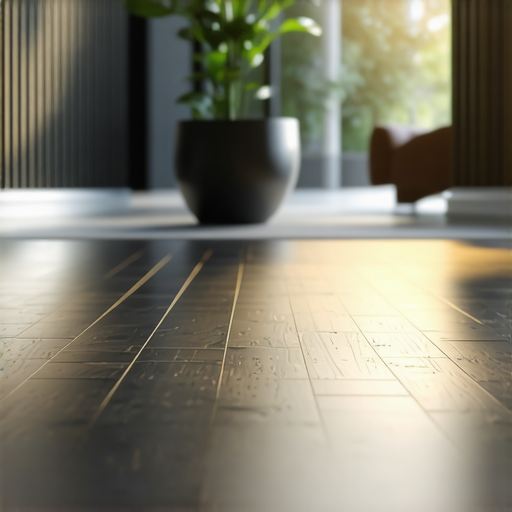
It was late on a Saturday afternoon when I finally realized my living room’s new hardwood floors were, quite frankly, a disaster. The planks shimmered beautifully, but beneath the surface, I could hear the unsettling creaks and see the slight dips that screamed, “I didn’t prepare properly.” That lightbulb moment—a stark reminder that even the most well-laid plans can fall apart if you overlook the fundamentals of floor installation, especially on concrete.
Why Installing Hardwood on Concrete Still Stumps Many Homeowners
Even in 2026, the challenge of securing hardwood floors onto concrete slabs remains a hot topic—mainly because many underestimate how critical proper adhesion and preparation are. Hardwood flooring is a beautiful, timeless choice, but when placed over concrete without the right hacks, it can lead to squeaks, buckling, or worst of all, costly repairs. Trust me, I learned this the hard way.
So, what can you do to ensure your hardwood install is solid, durable, and keeps that lovely finish intact? Today, I’m sharing three proven glue-down hacks that I’ve tested—hacks that can save you time, money, and frustration. Whether you’re a DIY enthusiast or planning to hire a pro, mastering these tips will make a noticeable difference.
But before we dive into the technicalities, have you ever faced the nightmare of a warped or squeaky hardwood floor after installation? If so, you’re not alone. Many homeowners fall prey to common mistakes like skipping proper subfloor assessment or rushing the adhesive process. As someone who’s been there, I can tell you: a little extra prep and knowledge go a long way.
And if you’re curious about more comprehensive techniques, including floor leveling and preventing tile lippage, check out resources like [this detailed guide on precise floor leveling techniques](https://tiletrendshop.com/precise-floor-leveling-techniques-to-achieve-flawless-surfaces). It’s packed with insights that complement our focus today.
Now, gear up as we unravel the top hacks that transformed my flooring project and can do the same for you. Stick around—I promise, these tips are worth their weight in hardwood planks.
Preparing the Concrete Subfloor
Before laying down your hardwood, assess the concrete slab thoroughly. Use a long level or a straightedge to identify low spots or uneven areas—think of it as checking the foundation before building a house. I once skipped this step, and my floors warped within months, costing me extra. To avoid this, apply a laser level to pinpoint high and low zones accurately. For floors with significant dips, consider a self-leveling underlayment, but only after verifying that your subfloor is free of moisture and cracks. Learn how to test for moisture at this resource.
Leveling the Surface Effectively
Imagine trying to skate on a bumpy road—hard to get smooth, right? The same applies to flooring. Use a high-quality self-leveling compound to create a flat, smooth surface. Mix the compound carefully, following manufacturer instructions, and pour it over low areas, letting it settle naturally. For best results, work with a trowel or a gauge rake to spread the material evenly. I once used a traditional mud bed that was too thick, causing settling cracks—so stick to thin layers for better stability. After drying, check with a long level to ensure flushness. For comprehensive steps, see this detailed guide.
Ensuring Proper Adhesion
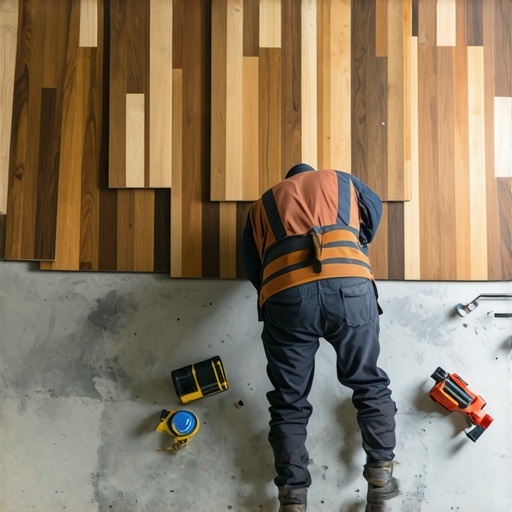
Think of glue-down hardwood as planting a tree—you want it to root deeply. Choose a high-quality adhesive recommended for concrete surfaces. Spread it with a notched trowel—like cutting grooves in butter—to maximize grip. Work in small sections to prevent the glue from drying out before laying the planks. As I installed my floors, I made sure to press each plank firmly, like sealing a ziplock bag tight, to ensure full contact. For tips on prevent squeaks and dips, visit this resource. Remember, wait the specified time before walking on the flooring to let the adhesive cure fully.
Sealing the Joints and Edges
Once the planks are down, pay close attention to the seams and edges. Use a high-quality wood filler or seam adhesive to prevent gaps that can cause squeaks or dirt buildup. I once neglected this step, leading to debris trapped beneath the planks—annoying and costly to fix. Consider applying a finish that reinforces the joints, especially in high-traffic areas. This final seal will lock everything in place, much like mortar ensures bricks stay sturdy. For more finishing tips, check this article about hardwood maintenance.
Many homeowners believe that flooring installation is straightforward—simply lay the planks and you’re done. However, this misconception overlooks the intricate nuances that determine long-term success. For instance, a prevalent myth is that flooring materials are universally suitable for all environments. In reality, specific hardwood species or tile types perform better under certain moisture levels or temperatures, as highlighted in expert studies on material behavior. Skipping proper subfloor assessment is another mistake that many make, thinking it’s unnecessary. Yet, inadequate preparation here can lead to buckling, gaps, or uneven surfaces—issues that are often blamed on the flooring itself. To avoid these pitfalls, it’s crucial to understand the importance of thorough floor leveling and moisture testing, which significantly impact durability. For advanced homeowners aiming for a flawless finish, mastering precise leveling techniques is key. This is especially true when installing over concrete slabs, where hidden moisture can cause upheaval later. Discover more about innovative leveling solutions by visiting this comprehensive guide. Additionally, many assume that pre-mixed adhesives or quick-setting compounds save time, but these can compromise bond strength if not chosen appropriately for your specific subfloor. Remember, patience and proper technique often outweigh haste. For expert insights on avoiding common installation errors, see this resource. There’s also a tendency to underestimate the effect of expansion gaps and joint sealing, which are vital for accommodating wood movement and preventing squeaks or cracks. These details might seem minor but can have major repercussions over time. To ensure your investment stands the test of time, pay attention to these advanced nuances. Have you ever fallen into this trap? Let me know in the comments.Maintaining your flooring over time is crucial to preserve its beauty and durability. Having the right tools makes this process efficient and effective. A high-quality moisture meter, for instance, is indispensable—it’s the only reliable way to monitor subfloor humidity and prevent issues like cupping or buckling, especially when working over concrete slabs. I personally recommend the Protimeter Surveymaster, which provides accurate readings even in challenging environments. Additionally, a professional-grade floor buffer equipped with a diamond abrasive pad is excellent for routine cleaning and buffing hardwood surfaces, restoring shine without damaging the finish. For tile, a grout-cleaning brush with stiff bristles helps keep the seams pristine, preventing debris buildup that can cause cracking or looseness. These tools empower homeowners and professionals alike to spot issues early and address them before costly repairs are necessary.
Lessons I Wish I Learned Earlier About Flooring Showstoppers
One of the most valuable lessons I discovered was the unintended impact of neglecting moisture testing before installing hardwood over concrete. I used to think that the quality of the adhesive alone determined a successful installation, but seasoned experts constantly emphasize that subfloor conditions can make or break your results. Realizing this early tip saved me from costly rework and deepened my appreciation for thorough prep, proving that sometimes, the smallest overlooked detail can lead to the biggest headaches.
Another eye-opener was understanding the importance of expansion gaps. I once filled every little crack with filler, assuming it was a mistake-proofing step, only to find the floor pushing against walls and causing buckling months later. This experience taught me that giving your flooring room to breathe isn’t just a recommendation—it’s essential for durability. Learning from these missteps transformed my approach, leading me to prioritize strategic spacing and prevent future issues.
The third insight revolves around the misconception that quick-setting adhesives are a time-saver. Initially, I chose fast-drying glues to speed up projects, but I soon realized that rushing the cure period compromised bond strength. Embracing patience and allowing proper curing times has been a game-changer, ensuring my floors stay level and squeak-free for years. This lesson underscored that quality often demands patience, especially when aiming for long-lasting beauty and stability.
Tools and Resources That Elevated My Craft
Over the years, I’ve found certain tools and knowledge sources invaluable for achieving professional results. The comprehensive guide on floor leveling helped me understand how precision makes all the difference, especially over concrete slabs. A reliable moisture meter like the Protimeter Surveymaster became my go-to for early detection of humidity issues—saving me from surprises down the line.
To refine my finishing skills, I rely on high-quality tools such as a rubber seam roller and worm drive saws, which ensure seamless edges and accurate cuts. Additionally, books like Mastering Hardwood Floor Refinishing provided step-by-step insights that bridged my DIY efforts with professional standards. These resources collectively empowered me to avoid common pitfalls and deliver flooring installations that stand the test of time.
Ignite Your Flooring Journey Today
Embarking on your own flooring project might seem daunting, but remember—every expert was once a beginner who dared to learn. Armed with knowledge about subfloor prep, the patience for proper curing, and the right tools, you can create stunning, durable floors that elevate your space. Don’t shy away from embracing these lessons and resources—they’re the secret ingredients to a successful flooring transformation. Take that first step confidently, and watch your home’s beauty flourish.