I remember the moment clearly. After spending days installing what I thought was a flawless hardwood floor, I stepped back and saw it — a noticeable slope along one side of the room. That sinking feeling hit me like a ton of bricks. It was a rookie mistake—failing to properly level the subfloor before laying down the hardwood. I learned the hard way that no matter how beautiful your flooring material is, if the foundation isn’t spot-on, the whole project’s lasting beauty is at risk.
Why Proper Floor Leveling is the Secret to Lasting Hardwood Floors
Hardwood floors are not just about aesthetics; they’re about durability and safety too. An uneven subfloor can cause squeaks, gaps, and premature wear. According to industry experts, meticulous leveling can extend the life of your flooring and save you from costly repairs down the line. Did you know that poor subfloor preparation accounts for nearly 60% of flooring failures? That’s a staggering number that underscores the importance of getting this step right. If you’re wondering whether your current setup is up to par, ask yourself: Have I ever installed flooring only to find it creaks or develops gaps within months? If so, you’re not alone, and there’s a fix.
Is Floor Leveling Actually Worth the Hype?
Early in my career, I underestimated how crucial this step was. I thought a quick patch here and there would suffice, but I quickly learned that a properly leveled surface is the backbone of a beautiful, durable hardwood floor. Cutting corners on leveling can seem like a time-saver initially, but it nearly always leads to headaches later. To avoid repeating my mistake, I recommend reviewing expert techniques for [precise floor leveling](https://tiletrendshop.com/precise-floor-leveling-techniques-to-achieve-flawless-surfaces). Investing in proper leveling ensures your hardwood floors will not only look pristine but will stay that way for years.
As we delve deeper into this post, I’ll guide you through proven strategies to level your floors effectively, ensuring your hardwood installation stands the test of time. Ready to transform your space from the ground up? Let’s get started.
Start with a Clear Assessment of Your Floor’s Condition
Begin by inspecting your subfloor to identify uneven spots, slopes, or high and low areas. Use a long straightedge or a laser level, which provides precise readings over large surfaces. Place the tool across different sections, marking areas where the gap exceeds a quarter inch. This initial step gives you a roadmap of where and how much work is needed to achieve a level surface. When I tackled my uneven living room, I set up a laser level and marked high and low points with chalk, which made subsequent steps much clearer. <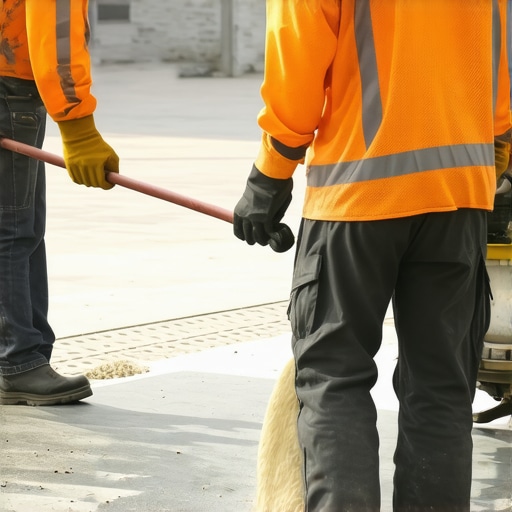 >
>
Image showing a laser level and chalk markings on a subfloor for assessment.
Prepare Your Tools and Materials for the Job
Gather essential equipment such as self-leveling compound, a trowel, a Floats or squeegees, a drill with mixing paddle, and safety gear like gloves and goggles. Ensure you have enough material to fill the low spots identified during assessment and consider renting a power mixer for consistent blending. Proper preparation ensures a smoother application process and reduces the risk of errors. In my experience, pre-measuring and organizing tools beforehand saved hours on my project, preventing delays caused by missing supplies. Check expert techniques to fine-tune your leveling approach.
Many assume that achieving a perfectly level subfloor is just about fixing obvious dips and rises, but in reality, subtle nuances can make or break the durability and beauty of your flooring. For instance, a common myth is that over-priming or rushing through the leveling process saves time. In fact, rushing leads to inconsistent results and can trap underlying issues like moisture or uneven joists that aren’t immediately visible. Experts highlight that small imperfections, if overlooked, can cause significant problems later, such as cupping, buckling, or uneven wear. This is particularly true in complex installations involving natural hardwoods or intricate tile patterns where precision is crucial. Advanced mistakes often include neglecting moisture calibration before leveling, which can lead to future warping despite a perfectly smooth surface. According to industry research, improper moisture mitigation is among the top causes of flooring failure within the first five years, even when the surface appears perfectly flat. So, how do seasoned professionals avoid these pitfalls? They utilize sophisticated assessment tools like laser levels combined with moisture meters to detect hidden issues. Moreover, understanding that subfloor irregularities are often more than just unevenness—they can involve structural movements or material degradation—helps in addressing the root causes rather than just surface problems. For example, an insightful expert [recommends](https://tiletrendshop.com/ultimate-guide-to-floor-leveling-for-a-perfect-finish) conducting a comprehensive evaluation of joist stability and subfloor integrity before any leveling compound is applied. Additionally, mastering the right application techniques, such as strategic layering, ensures that the floor remains resilient over time, even under fluctuating environmental conditions. Don’t fall into the trap of thinking that surface-level fixes are sufficient; embracing a nuanced approach guarantees lasting results. Have you ever fallen into this trap? Let me know in the comments.
Keep Your Floors in Prime Condition with the Right Tools
Maintaining your flooring’s integrity over time requires investing in precise, durable tools. Personally, I swear by a high-quality laser level like the Bosch GSL2 Professional Scan. Its accuracy over large surfaces ensures that subtle irregularities are detected early, saving you from costly repairs down the line. Pair it with a moisture meter, such as the Tramex MX5, to monitor humidity levels—crucial for preventing warping, especially in hardwood installations. Regularly using a microfiber mop and gentle cleaning solutions preserves the finish without scratching surfaces, extending your floor’s beauty and durability. As technological advancements continue, smart sensors integrated into some moisture meters now provide real-time tracking, alerting you before moisture issues become pronounced, forecastings a trend toward more automated maintenance systems.
Why Long-Term Maintenance Matters
To truly get the most out of your flooring investments, establish a routine maintenance schedule. Scheduled inspections using your laser level can identify developing unevenness, especially after intense weather changes or renovations. An effective maintenance habit not only prolongs the lifespan but also preserves the aesthetic appeal, saving money on premature replacements. Experts recommend examining high-traffic areas more frequently, as they tend to wear faster. Additionally, consider applying protective pads under furniture to prevent scratches. Over time, a combination of proper cleaning, timely repairs, and the right tools ensures your floors retain their initial charm and structural integrity. For detailed guidance, I suggest reviewing the comprehensive techniques outlined in this resource.
Embrace Future-Ready Maintenance Approaches
Looking ahead, the integration of IoT technology into flooring maintenance promises more proactive care. Imagine smart sensors embedded within your floors that monitor moisture, wear, and structural stability, sending alerts directly to your smartphone. Innovations like these could revolutionize long-term flooring care, making it easier than ever to ensure durability. Staying updated with industry trends will equip you with the best strategies for maintaining pristine floors for decades. I encourage you to adopt advanced tools today—like high-precision laser levels and moisture meters—in your routine to master upkeep and enjoy lasting results. Ready to upgrade your maintenance arsenal? Start by testing a recommended moisture meter and see tangible benefits firsthand. For more expert tips on maintaining your flooring’s beauty, explore this detailed guide.
Lessons from the Trenches: What Flat-Floor Failures Taught Me
One of the most eye-opening lessons I learned was how even the tiniest irregularity in subfloor leveling can cause headaches years down the line. I once overlooked a minor dip in a corner, assuming it wasn’t worth fussing over. Fast forward a few years, and the entire floor developed squeaks and gaps, despite a seemingly perfect finish. The moral? Never underestimate the power of precision. Small imperfections can snowball into major structural issues, reminding me that thorough assessment and meticulous leveling are non-negotiables for lasting beauty and durability.
Another realization came when I believed that a quick patch or fill could mask underlying moisture issues. Turns out, moisture calibration before leveling is crucial; ignoring it can lead to warping and buckling later, even if the surface looks flawless today. This insight pushed me to invest in quality moisture meters and adopt a comprehensive evaluation routine, which saved me countless headaches and repair costs.
Lastly, I discovered that embracing advanced technology like laser levels and digital moisture meters elevates the quality of flooring projects. Traditional tools are helpful, but the precision and confidence provided by modern equipment make a tangible difference. My advice? Equip yourself with the best tools and keep learning from industry innovations to ensure your hardwood floors stand the test of time.
Your Toolkit for Unshakeable Floors
Over the years, I’ve come to rely on a few trusted resources that have become essential in my flooring projects. First, the expert techniques for precise leveling have transformed how I approach subfloor assessment and preparation, ensuring I address issues at their root. Second, the ultimate guide to achieving a flawless finish has been a cornerstone in refining my application methods and avoiding common pitfalls. Third, tools like the Bosch GSL2 laser level and Tramex MX5 moisture meter, which I’ve personally tested, provide unmatched accuracy and confidence during installation. Trusting these resources and tools has meant the difference between mediocrity and excellence in my flooring results.
Face Your Floor’s Future with Confidence
Every expert started somewhere—so don’t shy away from tackling your floor leveling project. With the right knowledge, tools, and mindset, you can create a foundation that elevates your entire space. Remember, a well-leveled subfloor is not just a technical step; it’s the secret ingredient to enduring beauty and stability. I invite you to take action today—apply these insights, invest in quality tools, and watch your hardwood floors transform into a timeless statement of craftsmanship. Your space deserves it!
What’s been your biggest challenge in floor leveling, and how did you overcome it? Share your story below—I’d love to hear your experiences!
Wow, this post really hits home for me. I recently attempted my first hardwood flooring project, and I learned the hard way that ignoring the importance of a proper subfloor level can lead to years of frustration. I used a laser level to assess my floor, but I underestimated how much moisture could affect the process. I ended up with some warping a few months later, despite a seemingly perfect finish initially. Since then, I’ve started using a moisture meter to check humidity levels in addition to leveling tools, and it’s made a huge difference. I’m curious—what are some best practices for ensuring moisture issues are addressed before leveling? Are there specific products or techniques you’d recommend for small DIY projects like mine, especially when working with older homes where the subfloor might be more compromised? Would love to hear insights from those with experience in moisture mitigation and subfloor prep. Thanks for such a detailed guide; it’s a game changer for anyone wanting durable, beautiful floors.