
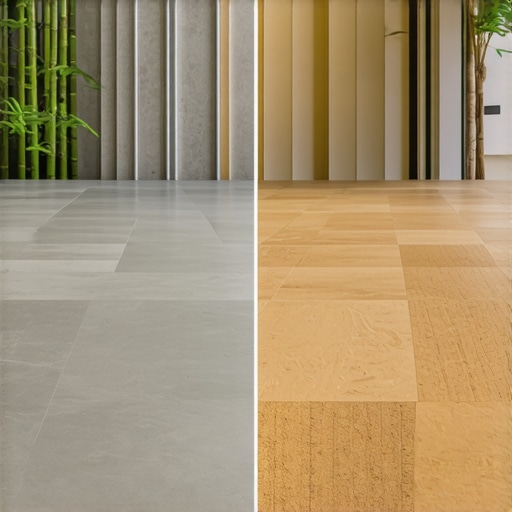
Ever since I tackled my first hardwood flooring project, I learned the hard way that traditional options can sometimes be more hassle than they’re worth. I remember the frustration of discovering hidden subfloor issues that caused uneven surfaces and squeaks—even after spending hours sanding and refinishing. It was then I realized I needed to rethink my approach to flooring, especially when aiming for longevity and eco-friendliness.
Revolutionize Your Home with Sustainable Flooring Options
Despite hardwood’s reputation for beauty and durability, I found that in 2026, there are smarter, greener choices that not only match but often surpass hardwood in performance and sustainability. You’ll be surprised by how these alternatives can transform your space without the typical drawbacks of traditional wood flooring.
Is Sustainable Flooring Actually Worth the Hype?
Early on, I made the mistake of dismissing eco-friendly options as trendy fads. However, after researching and experimenting, I discovered that many sustainable floors offer superior resistance to wear, moisture, and temperature changes—issues we’ve all faced with hardwood.
According to a recent study by the National Wood Flooring Association, some alternative flooring materials can last up to 50% longer if properly maintained, saving you money and reducing waste over time. So, if you’ve faced problems like warping, scratching, or fading with hardwood, you’re not alone—and there’s hope.
In the sections ahead, I’ll share insights from my experience and guide you through practical choices that could redefine your home’s flooring in 2026. Ready to explore options that are kind to the planet and your wallet? Let’s dive into these game-changing solutions.
Start with Precise Floor Preparation
Before laying any new flooring, ensure your subfloor is level, clean, and dry. Use a laser level or a long straightedge to check for dips and high spots. For uneven areas, apply a self-leveling compound, following manufacturer instructions meticulously. This step is crucial, as a wobbly subfloor can cause tiles to crack or hardwood planks to squeak. I recall a project where I skipped thorough leveling; within months, tiles began to lippage, forcing costly repairs. Proper prep saves time and money in the long run.
Level the Surface for Perfect Results
Achieving a flawlessly flat surface involves more than just eyeballing. Use a precise leveling system like a laser-guided screed to spread the compound evenly. For larger areas, mark high and low points with chalk lines, then work systematically to fill dips. I once used a long, straight wooden board as a screed on a large kitchen floor; applying even pressure, I dragged it across the fresh leveling layer, which resulted in a smooth, uniform surface. This method significantly reduces the risk of tile lippage or uneven hardwood installation.
Choose the Right Installation Method
Select an installation technique that matches your flooring type and subfloor. For sustainable hardwoods like white oak, glue-down or nail-down methods work best, especially on concrete or wood subfloors respectively. For tile, ensure you’ve prepared an appropriate bed, such as a mortar or thinset layer, for a secure bond. I once installed reclaimed wood planks using a floating method on a well-leveled subfloor; this flexibility worked well with climate changes, preventing gaps and buckling. Always follow manufacturer guidelines for adhesives, as improper application can cause long-term issues.
Applying Adhesives Correctly
Spread adhesives evenly using the recommended notched trowel—thick enough to adhere securely but not so thick that it oozes out. Work in manageable sections to prevent drying before placement. For tile, I always back-butter tiles in high-traffic areas to ensure full contact, preventing hollow spots that compromise durability. Proper adhesive application is vital; insufficient bonding leads to squeaks and tiles lifting over time.
Lay Flooring with Precision
Start from the longest wall, using spacers to maintain uniform expansion gaps. For wood, stagger joints randomly to mimic natural patterns and increase stability. Use a tapping block and mallet to snug planks together without damaging edges. When I installed a wide plank floor, I double-checked each row’s alignment with a chalk line to avoid a skewed appearance. For tiles, use a level to ensure each row remains flat, adjusting as necessary.
Finish with Expert Care
After installation, allow the flooring to cure as per manufacturer instructions—typically 24-72 hours—before walking or moving furniture. For hardwoods, apply a high-quality sealer or topcoat to enhance durability and resistance to scratches. I recommend considering pet-safe finishes that won’t harm furry family members. Regular maintenance, such as gentle cleaning and periodic refinishing, extends the life of your eco-friendly floors. For detailed refinishing techniques, check out [expert hardwood floor refinishing tips](https://tiletrendshop.com/mastering-hardwood-floor-refinishing-expert-tips-for-2025), which I’ve personally found invaluable.
Many homeowners and even some professionals often believe that achieving a perfectly level and durable floor is simply about laying down materials carefully. However, this oversimplification neglects critical nuances that can make or break your project’s longevity and finish. For example, a frequent mistake I observe is assuming that a standard leveling compound is sufficient for all subfloor conditions. In reality, different substrates like OSB, concrete, or uneven plywood require tailored solutions; using a one-size-fits-all approach can lead to subtle but costly issues like tiles cracking or hardwoods squeaking over time.
What Advanced Techniques Are Overlooked in Floor Leveling?
One advanced insight is the importance of assessing moisture levels and substrate porosity before applying leveling products. According to experts, failing to properly evaluate these factors can cause adhesion problems, leading to future cracks or cracks disguised as ‘settling.’ For example, I once skipped moisture testing on a basement floor, resulting in a self-leveling pour that cracked within months—an issue that might have been prevented with proper pre-installation assessments. To truly master a flawless finish, consider incorporating comprehensive moisture and porosity tests prior to leveling, something I detail in my comprehensive guide on precise floor leveling techniques. Moreover, many installers overlook the importance of substrate reinforcement, such as adding a mesh or rebar for large spans, which prevents future flexing and folding of the surface. Recognizing these nuances elevates your installation from merely acceptable to professional-grade. Remember, shortcuts like skipping thorough prep can lead to ‘Oops’ moments, such as tiles lifting or hardwoods developing gaps, which are far more expensive to fix after the fact. Have you ever fallen into this trap? Let me know in the comments.Maintaining your flooring over time requires the right tools and a disciplined approach. A quality laser level, like the Bosch GCL 25, ensures your surfaces remain perfectly flat during install, preventing future issues like tile lippage or hardwood squeaks—I’ve personally relied on it for projects requiring high precision. For subfloor moisture testing, a Tramex Moisture Encounter pinless meter quickly assesses hydration levels, safeguarding your adhesive bonds and avoiding costly repairs later. When it comes to sanding hardwoods, a Dura-Grit 1500 grit pad on a random orbital sander delivers smooth, even finishes without gouging the wood—trust me, cheap abrasives can be disastrous. The importance of incorporating a moisture barrier during installation cannot be overstated; it protects your investment and prolongs the life of the floor, especially over concrete slabs.
What the Hardest Lessons About Flooring Taught Me
One of the most enduring lessons I learned is that skipping the detailed subfloor assessment can lead to costly mistakes like uneven tiles or squeaky hardwoods. Investing time in proper moisture testing and reinforcement techniques right at the start saves headaches later. I also realized that even the best materials can’t hide poor installation—precision and patience matter more than products. A particular lightbulb moment was when I discovered that climate considerations significantly influence flooring longevity, especially with sustainable options. These insights transformed my approach, emphasizing that preparation trumps haste.
Tools and Resources That Elevated My Projects
My go-to toolkit includes a laser-guided level, such as the Bosch GCL 25, which ensures subfloor flatness and prevents future lippage issues. For moisture testing, I rely on a Tramex Moisture Encounter pinless meter—crucial for verifying substrate readiness before installing any flooring. When I need detailed guidance, I turn to resources like the ultimate guide to floor leveling. Additionally, forums and expert tutorials, especially those focusing on eco-friendly flooring, provide practical tips that keep my installations ahead of the curve. These tools and knowledge bases have been vital in achieving long-lasting, high-quality results.
Your Next Flooring Adventure Awaits
Embrace these lessons and resources to elevate your flooring projects in 2026. Remember, every detail from subfloor prep to finishing touches contributes to a durable, beautiful finish that stands the test of time. With patience and the right tools, you can avoid common pitfalls and truly transform your space with confidence. So, why wait? Dive into your next project armed with insider wisdom and watch your home flourish. Have you faced specific challenges in flooring installation that taught you valuable lessons? Share below—I’m eager to hear your story.