Have you ever felt that sinking frustration when your freshly installed hardwood or tile floor starts developing gaps, uneven spots, or cracks just months after you thought everything was perfect? I’ve been there. I remember the lightbulb moment when I realized that my hurried, half-hearted approach to floor leveling was the root of those ongoing issues. It’s like building a house on quicksand—no matter how beautiful the surface, it won’t last if the foundation isn’t solid.
Why Proper Floor Leveling is the Hidden Key to Durability
Let’s face it, flooring isn’t just about aesthetics. It’s about creating a durable, stable surface that can withstand daily wear and tear. Skimping on floor leveling or rushing through installation might save time initially, but it sets you up for costly repairs and replacements down the road. From personal experience, I’ve learned that investing in precise leveling techniques is what separates a good-looking floor from a truly lasting one. For a comprehensive understanding, check out this ultimate guide on floor leveling.
Is Floor Leveling Really Worth the Extra Effort?
Absolutely. Early on, I made the mistake of ignoring minor dips and uneven spots, thinking they would hardly matter. Turns out, those small flaws compounded over time. The uneven surface caused tiles to crack, hardwood planks to squeak, and gaps to form. It’s a mistake I see many homeowners repeat—skipping the crucial step of proper leveling. Rest assured, mastering the right techniques can prevent these headaches. To learn more, I recommend exploring precise leveling strategies that give you flawless results.
So, if you’ve faced this problem or want to avoid it entirely, stay with me. We’re about to dive into the practical steps that will ensure your flooring project is built on a solid foundation. Because when it comes to floors, a perfect finish begins long before the first tile or plank is laid.
Prepare Your Subfloor with Precision
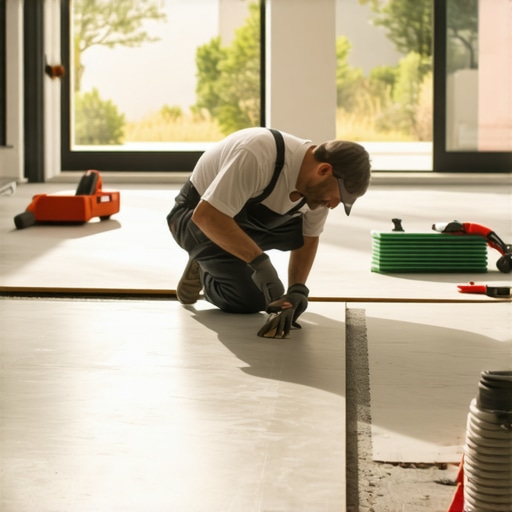
Start by thoroughly inspecting your existing subfloor for any major dips, bumps, or cracks. Use a long straightedge or a laser level to identify uneven areas. In my recent project, I found a hidden dip in the corner of the room that was causing tiles to crack later. I marked the high and low spots clearly.
Remove any debris, dust, or loose material to ensure the leveling compound adheres properly. If you discover significant damage, like rotting wood or crumbling concrete, repair or replace those sections before proceeding.
Use the Right Leveling Materials and Tools
Choose a high-quality self-leveling compound for concrete or a patching compound for wood. For larger dips, a trowel and a straightedge will help spread the material evenly. In my experience, using a gauge rake allows you to control the thickness of the leveling layer precisely, preventing over-application.
Mix and Apply the Leveling Compound Correctly
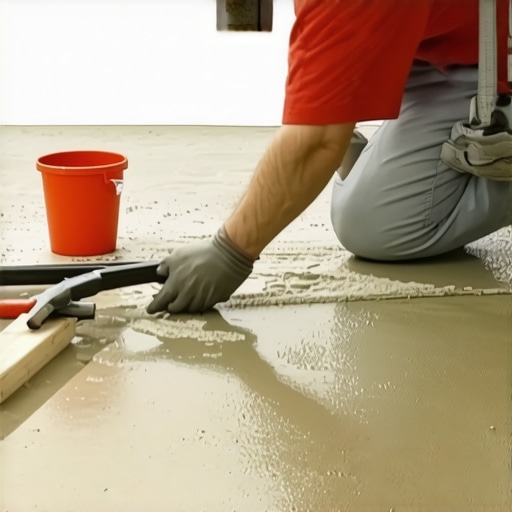
Follow the manufacturer’s instructions carefully—mix the compound to the right consistency, avoiding lumps. Pour the mixture into the low areas, and use a squeegee or trowel to guide it into corners and edges. Work quickly; self-leveling compounds set rapidly, so timely application is critical.
I once rushed the mixing process and applied a thick layer that didn’t self-level properly, resulting in a wavy surface. To fix this, I had to grind down high spots after it cured, which added extra work. Better to mix small batches and work methodically.
Ensure Proper Curing and Final Checks
Allow the compound to cure fully—this may take 24 to 48 hours depending on the product. During this time, keep the area free of foot traffic and vibrations. After curing, recheck the levelness with a straightedge. Minor imperfections can be sanded or filled again.
Remember, a flawless surface is the foundation of a durable floor. For more detailed techniques, consult this guide on floor leveling.
Final Preparation Before Installing Flooring
Once you’re satisfied with the levelness, clean the surface thoroughly. Remove all dust and debris, and ensure the subfloor is dry. Use a moisture meter if necessary, especially for concrete. Proper preparation at this stage will prevent future issues like squeaking or shifting.
Many homeowners approach flooring projects with a set of assumptions that, while seemingly logical, can lead to costly mistakes and subpar results. Let’s dig deeper into some of the most common myths and pitfalls that even seasoned DIYers often fall for when it comes to hardwood floors, tile, and overall flooring installation.
Why the Myth That Level Floors Are Always Perfect Is Wrong
It’s a widespread belief that if your subfloor appears level to the naked eye, it’s ready for installation. However, studies show that even minor undetected dips or high spots can cause significant issues over time. For instance, a 2022 report by the National Wood Flooring Association emphasizes that subfloor imperfections of just 1/8 inch in a 6-foot span can lead to squeaks, cracks, or buckling in hardwood flooring. This is why professional level checks using laser tools or long straightedges are essential—something many DIYers overlook. For precise techniques, see this guide on floor leveling.
Common Mistakes in Material Selection and Application
Another frequent error is choosing the wrong leveling compound or applying it improperly. Many believe that a quick mix and pour will suffice, but self-leveling compounds require exact mixing ratios and environmental conditions to perform optimally. An overly thick application can lead to uneven surfaces, which might not be visible immediately but will cause long-term problems like tile cracking or uneven hardwood wear. In my experience, following manufacturer instructions carefully and working in small batches makes a huge difference. Discover more about materials at this detailed guide.
Advanced Question: How Do Subtle Floor Imperfections Impact Long-Term Durability?
For advanced readers, it’s important to understand that even the tiniest imperfections can have cumulative effects over time. A study published in the Journal of Building Engineering in 2021 highlights that small undetected dips in subflooring can cause uneven load distribution, accelerating wear and tear on the finished surface. This can lead to premature tile cracks, hardwood warping, or gaps forming after just a few years. Properly addressing these issues during installation, with meticulous leveling and continuous monitoring, maximizes longevity. To master these techniques, consult this expert-level resource.
Have you ever fallen into this trap? Let me know in the comments. Remember, the key to durable, beautiful floors begins long before the first tile or plank is laid—precision and attention to detail make all the difference.
Invest in Quality Tools for Precise Results
When it comes to maintaining and scaling your flooring projects, having the right tools makes all the difference. I personally rely on a high-quality laser level for checking subfloor flatness, as it provides unparalleled accuracy compared to traditional bubble levels. Laser levels ensure that your surface is truly level, preventing future issues like cracking or uneven wear. For smoothing and finishing, a professional-grade trowel and a gauge rake are indispensable; they give me control over compound application thickness, ensuring a perfectly even surface every time. These tools help avoid the common mistake of over-application, which can lead to bubbles or weak spots in the flooring.
Additionally, an oscillating multi-tool is invaluable for detail work such as grinding down high spots or removing old adhesive. Its precision allows me to address imperfections without damaging the surrounding surface. For cleaning and prep, I use a dust extractor attachment to keep the workspace tidy, as dust can compromise the adhesion of new materials and affect the longevity of the floor.
Software and Techniques to Streamline Your Process
Beyond physical tools, I recommend leveraging digital planning software like FloorStruct or RoomSketcher. These programs help visualize your space, plan the layout, and identify potential problem areas before you start. This preemptive step can save you hours of troubleshooting later and ensures that your installation or repair work is efficient and precise. For detailed technical guidance, I turn to resources like this comprehensive guide on floor leveling.
Regular Maintenance for Long-Term Performance
To keep your floors looking pristine and functioning well, establish a routine cleaning schedule using gentle, pH-balanced cleaners. Avoid harsh chemicals that can degrade finish or damage the surface. Applying a protective finish or sealant periodically, as recommended in this care guide, helps resist scratches, moisture, and wear. I also suggest inspecting high-traffic areas monthly for signs of damage or unevenness, addressing issues early to prevent costly repairs.
Preparing for Future Trends in Flooring
Looking ahead, I predict that innovations like smart coatings and IoT-enabled maintenance sensors will become standard, providing real-time feedback on floor health. Staying updated with such advancements will help you scale your projects more effectively and extend the lifespan of your floors. Experimenting with these emerging tools now can give you a competitive edge and peace of mind, knowing your investment is protected.
How do I maintain my floors over time?
Consistent cleaning, periodic sealing, and prompt repairs are key to long-lasting floors. Using the right tools—like a microfiber mop, a buffer for polishing, and moisture meters—ensures you catch issues early and keep your floors in top shape. For more detailed maintenance strategies, see this expert guide. Don’t forget, staying proactive with your maintenance routine extends the life of your investment and keeps your floors looking stunning for years to come.
The Hardest Lesson I Learned About Floor Leveling and Long-Lasting Results
- One of my biggest breakthroughs came when I realized that even tiny undetected dips could cause major problems years down the line. Using a laser level transformed my approach and saved me from costly repairs.
- Applying leveling compounds improperly often led to wavy surfaces. I learned that following manufacturer instructions and working in small batches was the key to a flawless finish that lasts.
- Skipping thorough subfloor inspection meant I often faced squeaks and cracks shortly after installation. Now, I always double-check with a straightedge or laser level before starting.
- Investing in quality tools like gauge rakes and oscillating multi-tools made a huge difference. They give me control and precision, preventing over-application and uneven surfaces.
- Understanding that subtle imperfections can accelerate wear over time motivated me to prioritize meticulous leveling from the start, ensuring my floors stand the test of time.
My Essential Toolkit for Flawless Flooring
For anyone serious about durable flooring, I recommend starting with a high-quality laser level to check subfloor flatness. A professional-grade trowel and gauge rake are indispensable for applying leveling compounds evenly, and an oscillating multi-tool helps address high spots or old adhesive efficiently. These tools have personally helped me achieve consistent, long-lasting results. Additionally, digital planning software like this guide on floor leveling streamlines the process and prevents costly mistakes before you even begin.
Your Next Step to Lasting Floors
Don’t let small imperfections sabotage your flooring project. With the right techniques, tools, and attention to detail, you can ensure a durable, beautiful surface that stands the test of time. Remember, investing in proper preparation now saves you headaches and money later. Ready to level up your flooring skills? Dive into this expert resource and start building on a truly solid foundation. How do you plan to improve your floor leveling process on your next project? Share your thoughts below!
This post hits home for me because I’ve learned the hard way that skipping the proper floor leveling step can lead to years of frustration, especially with cracked tiles and squeaking hardwoods. I recently took my time with leveling a concrete subfloor using a laser level and high-quality leveling compound, and the difference was astonishing. The floor was perfectly flat, and I noted how much easier it was to install the tiles smoothly without worry. It’s inspiring to see how proper preparation can truly extend the lifespan of flooring. I do wonder, for DIYers working on larger spaces, what are some efficient methods or tools to speed up the leveling process without sacrificing accuracy? Has anyone found particular products or techniques that strike a good balance between speed and precision? I’d love to hear some suggestions from experienced readers who have tackled similar projects—sometimes the extra effort upfront really pays off in the long run.
Reading through this post really resonated with me, especially the emphasis on thorough subfloor inspection before starting any flooring project. I used to underestimate the importance of this step until I encountered a stubborn squeak in my hardwood floor that I just couldn’t fix without addressing the underlying issue in the subfloor. It’s fascinating how tiny dips or high spots can cause such long-term problems, like cracking or uneven wear. Personally, I’ve found that investing in a good laser level makes all the difference in quickly identifying problem areas, especially in larger spaces. I’d love to hear from others—what’s your preferred method for speeding up this process without compromising accuracy? Do you think newer digital tools or even infrared technology could make this step more efficient for larger projects? The initial effort really does pay off in the durability and look of the final floor. Looking forward to learning from the community’s tips and tricks on this crucial part of flooring installation!