Ever spent hours carefully laying down new hardwood or tile, only to find it warped, cracked, or uneven after a few months? I’ve been there. I remember the frustration of realizing that all my effort was wasted because I overlooked some crucial steps early on. That lightbulb moment hit me hard—poor installation can sabotage even the best flooring materials. And let me tell you, the difference between a floor that lasts decades and one that needs replacement in a few years often comes down to just a few key tips and tricks.
Why Cutting Corners Can Cost You Big Time
When I first started my DIY flooring projects, I was eager to save money and time. I thought, “How hard can it be?” Turns out, quite a lot. I skipped some preparatory steps, rushed the leveling process, and didn’t pay enough attention to moisture barriers. The result? Buckling, uneven surfaces, and a lot of regret. I learned the hard way that proper preparation and attention to detail are non-negotiable if you want durable, long-lasting results. Interestingly, according to industry experts, improper installation is responsible for over 80% of flooring failures (source: Tile Trend Shop). That’s a sobering fact, but it also means you can avoid costly mistakes with the right guidance.
Is DIY Flooring Actually Worth the Hype
Many skeptics ask whether tackling flooring installation yourself is worth the hassle. My answer? It’s absolutely doable, but only if you follow proven techniques. Rushing or skipping steps can lead to uneven surfaces, gaps, or even future safety hazards. Early in my journey, I made the mistake of ignoring the importance of precise floor leveling—something I now understand is the foundation of everything else. If you’re wondering whether to hire a professional or go solo, remember: doing it right the first time saves you money and heartache later. For detailed strategies on achieving perfect results, check out expert-level floor leveling tips.
Ready to dive into the core techniques that will make your flooring project a success? Let’s explore the essential tips that ensure your floors stay beautiful and durable for years to come. Whether you’re installing hardwood, tile, or laminate, these insights will guide you step-by-step towards flawless results. Stay tuned—your dream floor is within reach!
Prepare Your Subfloor Like a Pro
Before laying down any flooring, inspect your subfloor thoroughly. Think of it like preparing a canvas before painting—any imperfections will show through the final coat. Remove debris, clean the surface, and check for moisture or unevenness. Use a level to identify high or low spots. If you find dips or bumps, apply a self-leveling compound, following the instructions meticulously. During my first attempt, I skipped this step and ended up with a wavy floor that cracked over time. Proper preparation ensures your floor will stay flat and durable for decades.
Ensure Accurate Floor Leveling
Use the Right Tools and Techniques
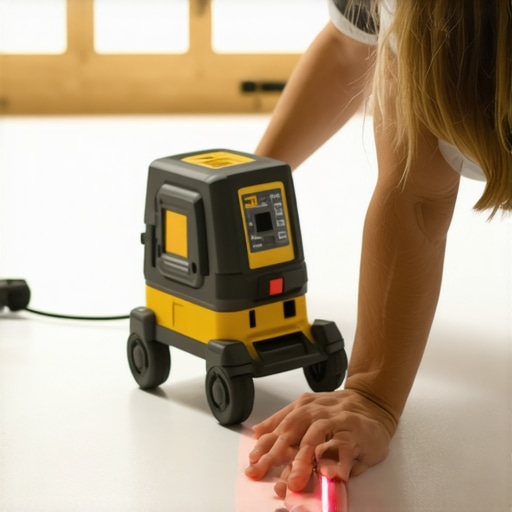
Invest in a good quality laser level or long spirit level. Place it across the floor in multiple directions to detect uneven areas. When I leveled my hardwood subfloor, I used a laser level to identify a slight dip in one corner. I applied a leveling compound precisely where needed, which resulted in a perfectly flat surface. For best results, follow expert-level floor leveling tips. Remember, a level surface is the backbone of a lasting installation.
< >
>
Plan and Cut with Precision
Measure twice, cut once. Use a chalk line or straightedge to mark your cuts accurately. When installing tile, I found that dry-fitting pieces first helped me visualize the layout and avoid awkward cuts. For hardwood, I used a saw with a fine tooth blade to achieve clean edges. Don’t forget to account for expansion gaps, especially with wood floors, to prevent buckling. Precise cuts and planning reduce waste and save time during installation.
Lay Down Moisture Barriers and Adhesives Properly
Moisture barriers are critical, especially in basements or concrete slabs. Roll out the barrier smoothly without wrinkles, and overlap seams as recommended. For adhesives, apply evenly with a trowel suited to your flooring type. I once used too much glue on hardwood, which caused it to bubble; cleaning it up was a nightmare. Follow manufacturer instructions closely—this small step prevents future issues like warping or lifting.
Install Flooring Carefully and Methodically
Start from a corner or a feature wall, and work your way out. Keep your tools handy—spacers, trowels, mallets. When I installed ceramic tiles, I used spacers to ensure consistent grout lines. Tap each piece gently but firmly to set it into the adhesive, avoiding unevenness. For hardwood, stagger seams to create a natural look and increase stability. Take your time and double-check each row before proceeding. Rushing often leads to misalignments and gaps.
Finish with Expert Sealing and Maintenance
Once installed, seal your floor if necessary—hardwood benefits from a protective finish, while tiles may need grout sealing. Regular cleaning and maintenance extend your floor’s life. I learned this the hard way—neglecting proper sealing led to stains and wear. Consult hardwood care tips to keep your investment looking stunning for years.
Many homeowners and DIY enthusiasts believe they understand the fundamentals of flooring installation, but in reality, there are subtle nuances and misconceptions that can lead to costly mistakes. Let’s dig deeper into what most people get wrong about hardwood floors, floor leveling, tile, and installation techniques, and how you can avoid these pitfalls to ensure lasting results.
Why the Myth of ‘One-Size-Fits-All’ Flooring Fails
One common misconception is that a specific flooring type, whether hardwood or tile, can be installed identically across all spaces. In truth, each environment has unique challenges. For example, hardwood floors require precise moisture management and expansion gaps, especially in areas with fluctuating humidity. Tile installation demands careful substrate preparation and proper adhesive selection based on the subfloor conditions. Overlooking these nuances often results in buckling, cracking, or tiles popping loose. Industry experts recommend tailoring your approach to your specific space—see expert installation tips for detailed guidance.
Beware of Over-Simplified Leveling Assumptions
Many assume that simply using a level or a quick self-leveling compound will suffice to prepare an uneven subfloor. But the reality is more complex. In my experience, improper assessment of subfloor conditions—such as hidden moisture or structural weaknesses—can cause long-term problems. For example, moisture beneath a concrete slab can cause tiles or hardwood to warp or delaminate, even if the surface appears flat initially. A thorough inspection, including moisture testing, is crucial. Advanced techniques like laser leveling and proper substrate treatment make a significant difference. For comprehensive strategies, check out floor leveling strategies.
What About the Hidden Risks of Quick Fixes?
One trap many fall into is relying on quick fixes such as hurried adhesive application or skipping expansion gaps to save time. These shortcuts often lead to future failures—tiles cracking, hardwood cupping, or floors developing squeaks and gaps. For instance, applying too much adhesive can cause it to seep out and create an uneven surface, making refinishing difficult later. Similarly, neglecting to leave expansion gaps can trap moisture and cause buckling. Always follow manufacturer instructions and industry standards—see installation mistakes to avoid for more insights.
Is Your Subfloor Truly Ready for Installation?
Advanced installers know that a subfloor’s condition is often underestimated. Even minor imperfections or residual moisture can undermine your entire project. For example, a concrete slab with high moisture levels can cause hardwood to swell or tiles to loosen over time. Properly preparing your subfloor involves more than just cleaning—testing moisture levels, patching cracks, and ensuring proper drainage are vital. This nuanced approach often distinguishes a durable floor from one that fails prematurely. For detailed techniques, visit precise leveling methods.
Have you ever fallen into this trap? Let me know in the comments.
Invest in Quality Tools for Long-Term Results
When it comes to maintaining hardwood, tile, or any flooring, having the right tools makes all the difference. I personally rely on a high-quality oscillating multi-tool for sanding and minor repairs. Its versatility allows me to reach tight corners and edges without damaging surrounding areas, which is crucial for keeping floors looking pristine. A laser level is another must-have—it’s precise and helps me identify uneven spots that might cause future problems if left unaddressed. For flooring-specific adhesives and sealants, I always choose professional-grade products, ensuring durability and ease of application. These tools and materials, combined with consistent maintenance, extend the lifespan of your floors and keep them looking stunning for years.
The Hardest Lesson I Learned About Flooring Installation
Patience is key. I once rushed through leveling my subfloor, thinking a quick fix would be enough. It wasn’t. The uneven surface caused tiles to crack and hardwood to squeak within months. Now, I always take my time to thoroughly inspect and prepare the subfloor, understanding that a solid foundation makes all the difference. This experience taught me that skipping detailed prep work costs more in the long run.
What I Wish I Knew About Moisture Barriers
Moisture barriers aren’t just a precaution—they’re essential. Early on, I underestimated their importance, especially in basements. Moisture seeping through concrete caused my hardwood to warp after a couple of years. Properly installing moisture barriers, overlapping seams, and selecting the right product based on your environment can save you from costly repairs. Trust me, this step can’t be overlooked if you want a durable, long-lasting floor.
Why Cutting Corners on Tools Is a Bad Idea
Using cheap tools might seem like saving money, but it often leads to frustration. I learned this the hard way with a low-quality saw that left jagged cuts and chipped tiles. Investing in good tools—like a laser level for precise measurements or a high-quality trowel for adhesives—not only makes the work easier but also ensures a professional finish. Quality tools are truly an investment in your project’s longevity.
Curated Resources for Flooring Enthusiasts
For those serious about perfecting their installation skills, I recommend starting with expert flooring tips. This cornerstone guide covers everything from subfloor prep to finishing touches. Additionally, I rely on floor leveling techniques to ensure my surfaces are flawless. Having the right tools and knowledge makes all the difference.
Take Action and Transform Your Space Today
Remember, your floors are more than just surfaces—they’re the foundation of your home’s beauty and safety. With patience, proper preparation, and the right resources, you can achieve results that last for decades. Don’t let common mistakes hold you back—embrace the learning curve and enjoy the process of creating a stunning, durable floor. Your future self will thank you for it!
What’s the biggest challenge you’ve faced during flooring installation? Share your story below—I’d love to hear your experiences!
Reading through this detailed guide, I can definitely relate to the importance of meticulous preparation before starting a flooring project. Initially, I underestimated the significance of a leveled subfloor and skipped moisture testing, which resulted in tiles cracking and hardwood warping down the line. Since then, I’ve become much more diligent, investing in quality leveling tools and moisture barriers, which has significantly improved my results. The part about using proper tools really resonated with me because I once tried to save a few bucks with cheaper equipment, only to pay the price with it breaking mid-job. I’m curious—what are some of the best practices for assessing moisture levels in older concrete slabs, especially in humid climates? Has anyone found reliable, budget-friendly moisture testing kits that work well? I believe that investing time and resources in these initial steps makes all the difference in achieving a durable, long-lasting floor. Would love to hear others’ experiences or tips on moisture management and subfloor prep.
I completely agree with the importance of thorough subfloor preparation and moisture testing—skipping these steps has caused me so many headaches in the past! I’ve learned the hard way that even small dips or residual moisture can lead to major issues like tile cracking or hardwood cupping down the line. Recently, I started using a reliable pin-type moisture meter, and it’s been a game-changer, especially in older homes with concrete slabs. What tools or methods have others found most effective for detecting moisture in tricky spots or in humid environments? I’ve also read that checking for vapor emissions before installation can save a lot of trouble later. Proper assessment and preparation might be time-consuming, but they’re absolutely worth it in the long run for a durable, long-lasting floor. Would love to hear some budget-friendly tips or product recommendations from folks who’ve dealt with similar challenges.
Reading through this post really resonated with me, especially since I’ve learned the hard way about how skipping proper subfloor prep can cause issues down the line. Moisture management is definitely a crucial step—especially in basement settings or older properties. I’ve found that investing in a reliable moisture meter, like a pin-type device, has saved me money and frustration. It’s remarkable how small moisture issues can lead to big problems months later, such as warping or delamination. My go-to method for tricky areas is to test multiple spots, including corners and underneath large appliances, to ensure nothing’s hidden. Also, I always double-check for consistent readings before proceeding with adhesive or install. Has anyone tried using calcium chloride tests or other budget-friendly solutions for moisture detection in complicated structures? It’d be interesting to hear how different approaches compare in accuracy and ease of use. For anyone about to start a project, I’d emphasize that thorough assessment upfront really makes all the difference for long-term durability.