
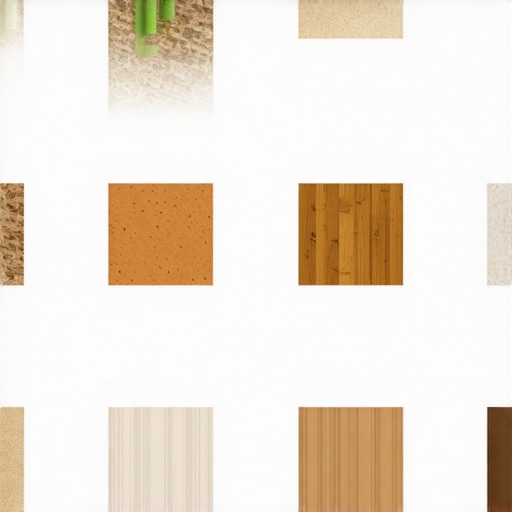
Picture this: I had just completed a much-anticipated hardwood flooring installation in my home when, within weeks, the surface was scuffed and scratched by my energetic kids and lively pet. That sinking feeling of realizing my beautiful new floors might not be as resilient as I thought hit hard. It was a lightbulb moment—realizing the struggle to find flooring options that are both eco-friendly and durable enough for everyday heavy use. If you’ve ever stood in a room full of new flooring samples, overwhelmed by promises of eco-conscious choices and durability, you’re not alone. Many homeowners like us crave sustainable options that won’t give way under the rush of daily life.
Why We All Need Durable, Eco-Friendly Floors Now
Are Eco-Friendly Floors Really Built to Last?
It’s a common misconception that environmentally friendly flooring can’t handle high-traffic areas. Early on, I made the mistake of choosing a cheap, eco-conscious laminate that looked great but wore out within a year. The truth is, many sustainable materials are now engineered with advanced innovations that make them as tough as traditional options. From bamboo to reclaimed wood, the key is in selecting the right product and installing it properly. A little research and insight can turn your eco dreams into long-lasting realities. For some expert tips, visit this guide on professional flooring installation.
Have you ever purchased what you thought was an eco-friendly floor, only to be disappointed by its lack of resilience? You’re not alone. My early experience taught me to ask the right questions before making a choice—like, “Will this withstand my busy household?” or “Is this truly sustainable from start to finish?” Luckily, today’s market offers a range of eco-friendly flooring options that are designed to stand up to substantial foot traffic, so you don’t have to compromise on sustainability or durability.
But how do you ensure that eco-friendly flooring lives up to its promise? That’s the next step—knowing what to look for and how to install it properly. If you’re curious about some of the common pitfalls and how to avoid them, check out this article on installation mistakes. With the right knowledge, you can make a smart, sustainable choice that lasts for years and suits your lifestyle.
Now, let’s dive into the practical options that combine ecological responsibility with tough performance, starting with my personal favorite—bamboo flooring—an underrated hero in the eco-friendly, heavy-traffic game.
Preparing Your Subfloor with Precision
Start by inspecting your subfloor for unevenness. Use a straightedge or a laser level to identify high or low spots. Imagine trying to lay tiles over a bumpy surface—it’s going to cause lippage and cracking. To avoid this, mark any humps or dips. Then, employ precise leveling methods such as grinding or leveling compounds. When applying leveling compounds, pour slowly and spread evenly with a gauge rake, ensuring a flat surface. I once encountered a case where rushing led to uneven spots that caused tiles to crack after installation. Taking the time to level perfectly saved me hours of troubleshooting later.While many homeowners believe that laying hardwood floors is straightforward—simply measure, cut, and install—these assumptions often overlook nuanced factors critical for a durable, professional-quality finish. One frequent misconception involves the assumption that all floor leveling compounds are equally effective; in reality, using a poorly matched or improperly prepared leveling product can lead to cracks, lippage, or even self-leveler failure. For example, a common mistake is pouring self-leveling compound directly over a moist or contaminated subfloor, which causes delamination and uneven settling. Always conduct thorough moisture tests like the ones described here. Moreover, homeowners tend to rely solely on visual inspection for subfloor flatness. However, subtle high spots can cause tile lippage or hardwood squeaks down the line—this is where precise tools like a 2-foot level test make a difference. Ignoring these fine details increases the risk of costly corrections and compromises the integrity of your flooring.
A critical point often overlooked is the importance of proper acclimation. Many assume that bringing flooring indoors a few days prior is sufficient, but advanced practitioners will measure ambient humidity and temperature to ensure environmental stability. Failing to do so can result in expansion gaps or buckling months after installation. In fact, expert sources emphasize that acclimation processes should be tailored based on the specific material, climate, and even seasonal changes, as supported by studies in flooring science.
What Advanced Mistakes Do Even Professionals Make?
One lesser-known trap involves the incorrect application of adhesives or finishes on moisture-sensitive substrates. For instance, applying polyurethane over hardwood in overly humid conditions can cause bonding issues and surface clouding. To avoid this, consult reliable guides like this resource. Additionally, some installers underestimate the importance of proper expansion gaps around the perimeter, leading to unavoidable buckling as the wood naturally reacts to moisture fluctuations. This nuance underscores the significance of understanding material behavior beyond simple instructions. Delving deeper into these advanced pitfalls equips enthusiasts and professionals alike to achieve lasting results.
Don’t fall victim to these hidden traps—meticulous preparation and awareness of these subtle issues can save you time and money in the long run. Remember, detailed floor preparation like precise leveling techniques and thorough environmental adjustments are the backbone of a successful flooring project. Have you ever fallen into this trap? Let me know in the comments.
Maintaining Floors for Long-Term Beauty
Keeping your hardwood and tile floors looking pristine requires more than just initial installation; it demands ongoing attention and the right tools. A quality microfiber mop paired with a pH-neutral cleaner is my go-to for daily upkeep, as it gently lifts dirt without damaging surface finishes. For deeper cleans, I rely on a steam cleaner specifically designed for hardwood floors—these devices sanitize without introducing excess moisture, preserving the wood’s integrity. Moreover, investing in a moisture meter helps me monitor subfloor conditions regularly, ensuring humidity levels stay within the optimal range for wood stability. According to industry standards, maintaining a humidity level of 35-55% is crucial to prevent gaps or buckling (source: humidity control guidelines). Regular inspections also alert me to wear and tear, allowing timely repairs that extend the lifespan of my floors.
Essential Tools I Recommend for Floor Preservation
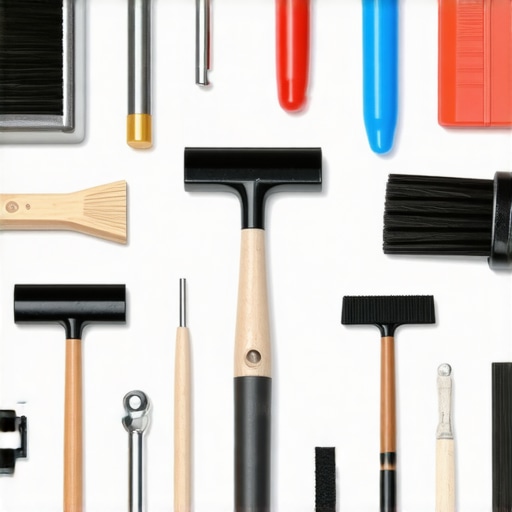
Beyond basic cleaning supplies, I keep a few specialized tools on hand. A soft-bristle brush helps me clean grout lines without scratching tiles, and a laminate floor repair kit comes in handy for fixing scratches and dents on hardwood. For leveling uneven areas, I use a self-leveling compound applicator combined with a laser level to ensure perfect flatness—something I learned from this detailed guide. The T-handle tapping block is invaluable for gently tightening loose hardwood planks without causing damage. Additionally, a high-quality, long-lasting sealant protects surfaces from spills and stains. These tools streamline maintenance tasks and help me achieve professional results at home.
Planning for the Future of Your Floors
Looking ahead, I see technology playing an increasing role in floor maintenance. Smart sensors integrated into flooring systems could monitor humidity, temperature, and even wear patterns in real-time, sending alerts when conditions drift from optimal ranges. Additionally, software solutions are emerging that help plan regular maintenance schedules based on usage patterns and environmental factors. Embracing these innovations will ensure your floors remain durable and beautiful for decades. To stay ahead, regularly consult trusted resources like this hardwood care guide for expert advice.
How do I maintain hardwood and tile floors over time?
The key is consistent, gentle cleaning paired with periodic inspections using the right tools. Regularly check moisture levels, address surface damages promptly, and consider integrating smart monitoring systems as they become available. By doing so, you’ll preserve your floors’ beauty and structural integrity well into the future.
Lessons That Changed My Approach to Flooring
- Expect the Unexpected: I learned that even the most durable eco-friendly floors can suffer wear without proper installation and maintenance. Never underestimate the importance of meticulous subfloor prep and environmental acclimation—these are game-changers for longevity.
- Ask the Tough Questions: Before settling on a material, I realized I needed to probe beyond surface promises. Questions about moisture resistance, wear layers, and installation processes reveal the true resilience of eco-friendly flooring options like bamboo and reclaimed wood.
- Small Details Make a Big Difference: From climate control to precise leveling, paying attention to nuances prevents costly repairs. Overlooking these fundamentals often leads to premature flooring issues, even with high-quality eco products.
Tools and Resources That Elevated My Flooring Projects
- Precise floor leveling guides: Critical for ensuring a flat foundation, which is the backbone of durable flooring.
- Expert installation tips: Learning from seasoned professionals saved me time and avoided common pitfalls.
- Floor maintenance secrets: Ongoing care is essential for preserving the beauty and durability of eco-friendly floors.
- Refinishing advice: When wear occurs, knowing how to revive hardwood floors extends their lifespan significantly.
Your Next Step Toward Flooring Confidence
Embrace the knowledge that durable, eco-friendly floors are well within your reach—when you combine careful planning, the right tools, and ongoing maintenance. The journey to beautiful, resilient surfaces starts with one well-informed decision today. Remember, the key to lasting beauty is action—so take that first step now and transform your space with confidence. How have your experience and insights shaped your flooring choices? Share your story below; I’d love to learn from you!