![3 Grout Injection Hacks for Hollow Tile Sounds [2026]](https://tiletrendshop.com/wp-content/uploads/2026/02/3-Grout-Injection-Hacks-for-Hollow-Tile-Sounds-2026.jpeg)
Walking into a room and hearing that unsettling hollow echo beneath your tiles is more than just a minor annoyance—it’s a signal that something’s off with your flooring installation. I remember the first time I experienced this during a home makeover, and let me tell you: it was frustrating. Not only did the noise disrupt the peaceful ambiance I was trying to create, but it also raised worries about the integrity of my entire floor. That moment of discomfort sparked a journey to find real, lasting solutions.
Why Your Tile Floor Might Be Singing The Wrong Tune
Sometimes, beneath the beauty of a freshly installed tile lies a hidden weakness: hollow sounds caused by grout and subfloor gaps. This issue isn’t just about noise; it can lead to tile cracking, loosening, and costly repairs down the line. It turns out that many flooring contractors overlook certain nuances during installation, leading to these hollow spots that seem nearly impossible to fix without a complete tear-up. If you’re tired of that hollow echo ruining your peace, you’re not alone—and there’s good news.
Is Making Repairs Worth It Or Just a Waste of Money?
Early in my DIY journey, I made the mistake of believing that simply sealing grout lines could solve the problem. Spoiler: it didn’t. That misstep taught me the importance of addressing the root cause—leveling the subfloor and filling voids properly. According to industry experts, neglecting proper grout injection and subfloor prep significantly increases the risk of tile failure. As I learned, tackling these issues with precise hacks can restore your flooring’s soundness without breaking the bank or ripping everything apart.
Getting familiar with these hacks can empower you to fix hollow tile sounds effectively and prevent future damage. Ready to dive into proven strategies that will silent those pesky echoes? Let’s get started.
Assess the Subfloor Before You Begin
Start by inspecting your subfloor for voids or uneven spots, which can cause tiles to sound hollow and shift. Use a flat pry bar or a level to check the surface; if you notice dips or gaps, these need addressing before proceeding.
Identify Problem Areas Quickly
Place a straightedge or a long level across your floor in multiple directions. Listen for any unusual sounds or feel for unevenness. This simple test can reveal hidden dips under your tiles that aren’t obvious at first glance.
Prepare for a Thorough Floor Leveling
Once you’ve identified uneven areas, the next step is to create a flat, stable surface. This is similar to leveling a bumpy road before paving—neglecting this can lead to future cracks and tile failure.
Apply Self-Leveling Compound
Mix a high-quality self-leveling compound according to the manufacturer’s instructions. Pour it into the low spots, spreading it evenly with a trowel or squeegee. Be meticulous; even small inconsistencies can transfer to your tile surface.
Pro Tip: For complex floor issues, consult specifics on floor leveling techniques to ensure you use the right product and method.
Secure the Subfloor
If you find loose or squeaky subfloor panels, reinforce them with screws or construction adhesive. Think of this as tightening the joints in a musical instrument—stable components create a harmonious result.
Fill Voids with Patching Material
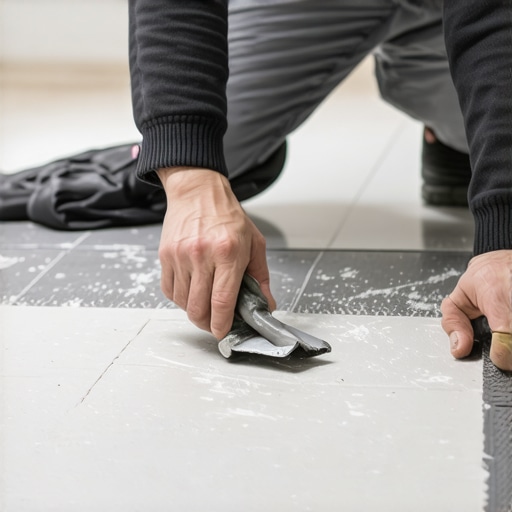
Use a polyurethane or cement-based patching compound to fill any gaps or holes beneath the floor surface. Smooth out the area and allow adequate curing time. This process prevents future movement or hollow sounds.
< >
>
Tip: Watching a step-by-step guide on floor leveling methods can provide visual clarity on this crucial step.
Ensure Proper Adhesion and Tile Placement
After leveling and securing the subfloor, apply a high-quality primer and adhesive suited for your tile type. This ensures solid bonding, minimizing the risk of future hollow spots or tiles cracking.
Use a Level and Spacers During Tiling
Consistently check your progress with a builder’s level and use spacers for uniform gaps. Think of this as aligning picture frames on a wall; attention to detail leads to a professional finish.
By following these concrete, step-by-step techniques, you can significantly reduce the chances of hollow tiles and uneven surfaces, prolonging the lifespan of your flooring. Remember, thorough preparation and precise execution are key to achieving a durable, beautiful result.While mastering basic floor leveling techniques is essential, many homeowners and even some pros overlook subtle nuances that can make or break your flooring project. A common misconception is that using self-leveling compound guarantees a perfectly flat surface. In reality, surface preparation and understanding subfloor conditions are just as critical, if not more so. For instance, applying self-leveling concrete on a wet or dusty subfloor can lead to inadequate bonding, causing cracks or unevenness over time, which might result in that hollow echo or tile lippage you want to avoid. Industry experts emphasize that thorough cleaning and priming are non-negotiable steps before pouring leveling compounds; neglecting these can lead to costly mistakes. Additionally, many don’t realize that the composition of your subfloor—whether plywood, concrete, or existing tiles—demands tailored leveling strategies. For example, precise floor leveling techniques include assessing moisture levels, material compatibility, and structural stability to ensure long-lasting results. The myth that a quick fix with a single layer of leveling compound will solve all unevenness issues can cause serious setbacks. Instead, meticulous multi-layer leveling, followed by proper curing, is often necessary for complex substrates. Keep in mind that inadequate subfloor prep can amplify issues like tile cracking or hollow sounds, which I’ve seen often in my experience. Make sure you inspect and reinforce your substructure thoroughly before proceeding with any installation. Remember, rushing this step not only jeopardizes your project’s durability but also wastes time and money. If you’re curious to learn more about preventing installation pitfalls, check out common flooring mistakes to avoid. Have you ever fallen into this trap? Let me know in the comments.
Essential Tools for Reliable Floor Repairs
Investing in the right equipment is crucial for ensuring your floor remains durable over time. I personally rely on a high-quality laser level, such as the Bosch GCL 25, which offers unmatched precision for checking the flatness of your subfloor. Its self-leveling feature reduces human error and guarantees consistent results, making it indispensable for large renovation projects.
Additionally, I always keep a sturdy pry bar and a rubber mallet handy. These help in adjusting tiles or hardwood planks without causing damage. For filling gaps or voids beneath the floor, a polyurethane foam gun like the DAP Touch ‘n Seal simplifies application and ensures thorough coverage. Using these tools consistently helps maintain a stable base, preventing issues like hollow spots or squeaks from reappearing.
Why Software and Documentation Matter
Beyond physical tools, I advocate for leveraging digital resources. Software like PlanGrid or CoConstruct can assist you in tracking your renovation timeline, noting areas needing reinforcement, and planning maintenance schedules. Regular documentation makes it easier to spot recurring problems and address them proactively, saving you time and money in the long run.
For example, keeping a detailed log of floor leveling efforts helps in diagnosing patterns that lead to issues like tile lippage or cracking. As industry expert this guide notes, meticulous documentation and systematic checks are cornerstones of long-lasting results.
Long-Term Maintenance Offers Big Payoff
Establishing routine inspection schedules can extend the lifespan of your flooring. Every 6 to 12 months, inspect for signs of movement, squeaking sounds, or loose tiles. Address small issues immediately—such as re-securing loose planks or filling minor cracks—before they escalate into costly repairs. I recommend using a moisture meter to monitor subfloor conditions, especially in humid environments, as moisture fluctuation can compromise the integrity of hardwood and tile installations.
Remember, even the best materials can’t compensate for neglect. Consistent upkeep preserves the original quality and keeps your floors looking stunning for years to come.
How do I maintain my flooring system over time?
Regular cleaning with appropriate products, avoiding excessive water exposure, and promptly repairing visible damage are key. For hardwood floors, consider applying a protective finish or polish every couple of years to maintain shine and resistance. For tiles, re-sealing grout joints periodically helps prevent moisture ingress that can weaken the adhesive bond. Expert tips recommend these simple steps that significantly prolong your floor’s lifespan.
Want to boost your repair efficiency? Try upgrading your leveling process with a multi-layer approach. Applying a second coat of self-leveling compound after the first has cured can address complex dips more effectively. This advanced tip, grounded in detailed technical practice, can make a tangible difference in your project’s durability. For an in-depth tutorial, visit our precision leveling guide.
Lessons That Changed My Approach to Floor Leveling
Over the years, I realized that rushing the pre-installation prep is the biggest pitfall. Skipping thorough subfloor inspection or neglecting moisture testing can lead to hollow spots and uneven tiles that haunt you for years. The lightbulb moment for me was understanding that proper surface preparation—priming, cleaning, and reinforcing—is the backbone of durable flooring. Also, I learned that even the best self-leveling compounds won’t perform well if the subfloor isn’t sound to begin with.
Another game-changer was discovering the importance of multi-layer leveling, especially on complex surfaces. Applying an initial coat and then a second after curing can fill dips more effectively and prevent future cracks. It’s a process that demands patience but pays off with flawless results. And finally, I found that consistent use of quality tools such as laser levels and proper patching materials avoids costly re-dos and ensures your flooring remains stable for decades.
Tools and Resources That Elevate My Projects
If you’re serious about achieving the perfect tile or hardwood finish, investing in a top-notch laser level like the Bosch GCL 25 has been crucial for me. Pair it with a sturdy pry bar and a polyurethane foam gun, which I trust implicitly for filling voids. These tools make the process precise and help prevent issues like hollow spots or tile lippage. For comprehensive guidance, I recommend consulting resources like this detailed guide on floor leveling techniques, which offers detailed, step-by-step instructions to master the art.
In addition, I rely on reputable books such as “The Complete Guide to Floor Leveling”—it solidified my understanding of material compatibility and proper curing times. Digital tools like construction project management software help me track progress, document tricky areas, and plan maintenance schedules, ensuring long-term success.
Embrace the Process and Watch Your Space Transform
Remember, mastering floor leveling and installation isn’t just about fixing a hollow sound; it’s about creating a foundation that will support your home’s beauty and integrity for years to come. Take your time, use the right tools, consult trusted resources, and don’t shy away from seeking expert advice when needed. Your efforts will result in stunning, lasting floors that elevate your space and boost your confidence in your craftsmanship.
What has been the most valuable lesson you’ve learned about floor leveling or tile installation? Share your story below—I’d love to hear what’s worked for you and what mistakes you’re eager to avoid!